
Equitable, circular, and rooted in care
Building with the land through local materials, shared knowledge, and regenerative design
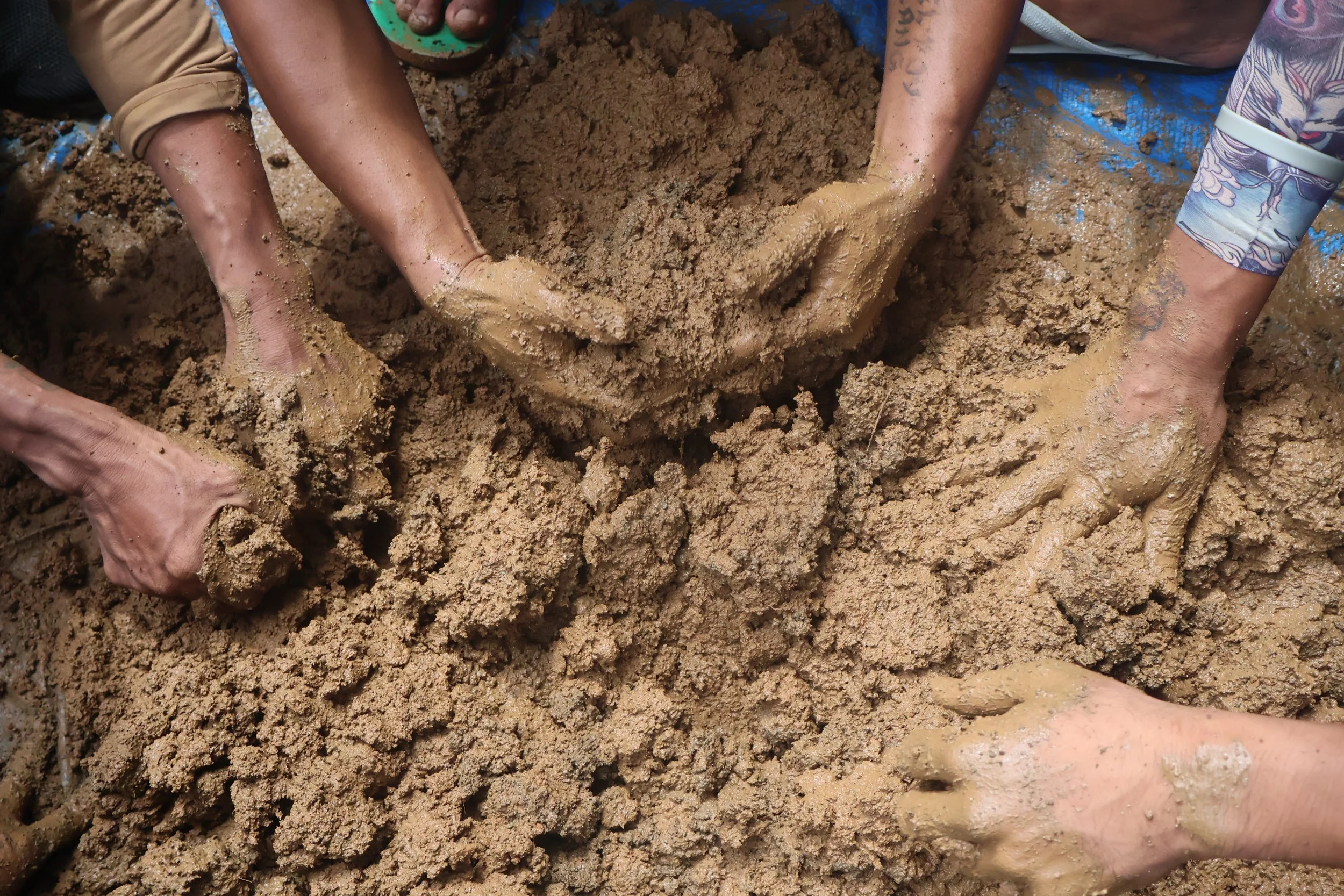
Shelter is one of humanity's most fundamental needs. Throughout history, the places we build have shaped not only how we live, but also how we relate to one another and to the landscapes that sustain us. Building traditions have always reflected the climate, available materials, cultural identity, and the knowledge carried across generations. Natural building invites us to revisit these relationships—not by looking backwards, but by bringing together traditional wisdom, contemporary ecological understanding, and practical solutions for the future.
Natural building lies at the heart of Maia Earth's work. Across our projects, we explore ways of constructing spaces that are environmentally responsible, socially meaningful, and rooted in place. Working with earth, bamboo, stone, rice straw, timber, and other locally available materials, we seek to create buildings that respond to local climates while reducing dependence on resource-intensive construction methods. Where appropriate, reclaimed materials—including ecobricks—are thoughtfully integrated into the design, demonstrating how circular resource systems can become part of everyday architecture.
Buildings that tell a story of collective transformation
Our approach extends beyond the buildings themselves. Every construction project becomes an opportunity for learning, livelihood, and collaboration. Through workshops, school partnerships, institutional collaborations, and community-led initiatives, natural building becomes a space where practical skills are exchanged, local knowledge is honored, and people actively participate in shaping the places they inhabit.
Rather than viewing architecture as something separate from ecology, we see buildings as part of living systems. They influence health, relationships, education, biodiversity, and the ways communities gather and care for one another. In this sense, natural building is not simply a construction technique, but an ongoing practice of designing with the land rather than against it.
Whether creating classrooms, health centres, daycare spaces, multipurpose buildings, or homes, we hope each project demonstrates that resilient architecture can emerge from local materials, collective participation, and thoughtful design. Every wall tells a story—not only of the materials from which it is built, but of the relationships, knowledge, and shared efforts that brought it into being.

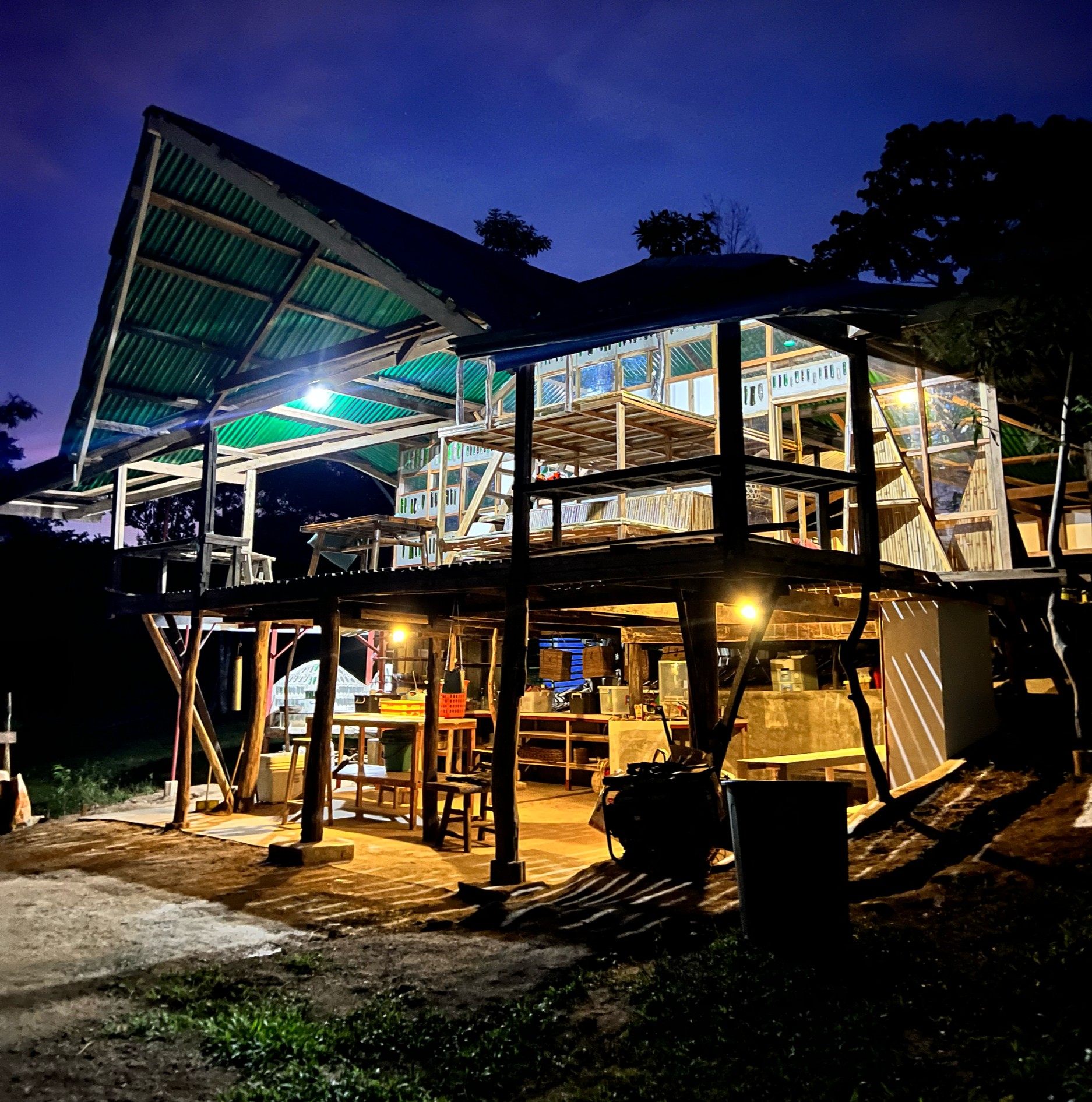

A Natural Building Training Center

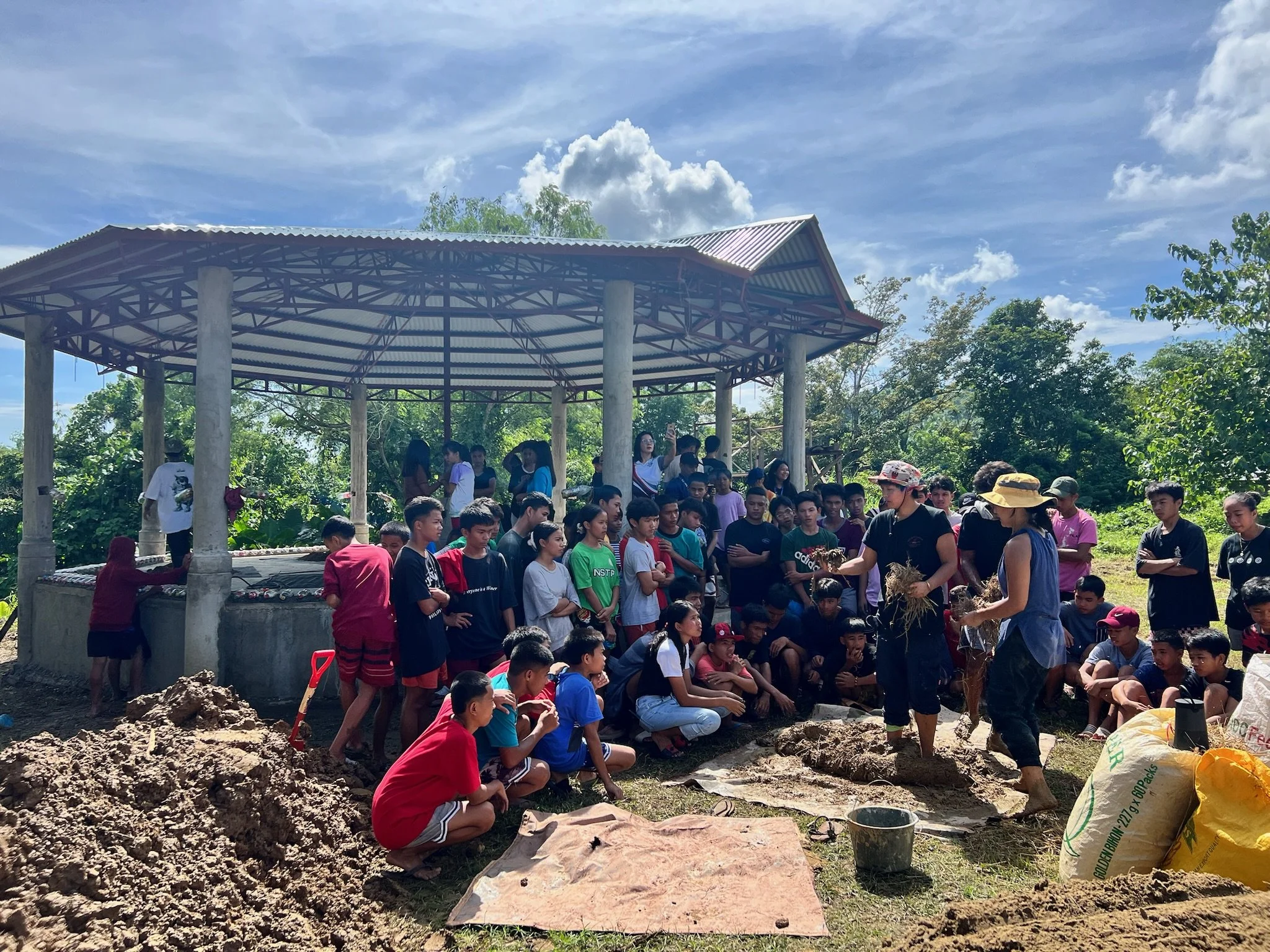
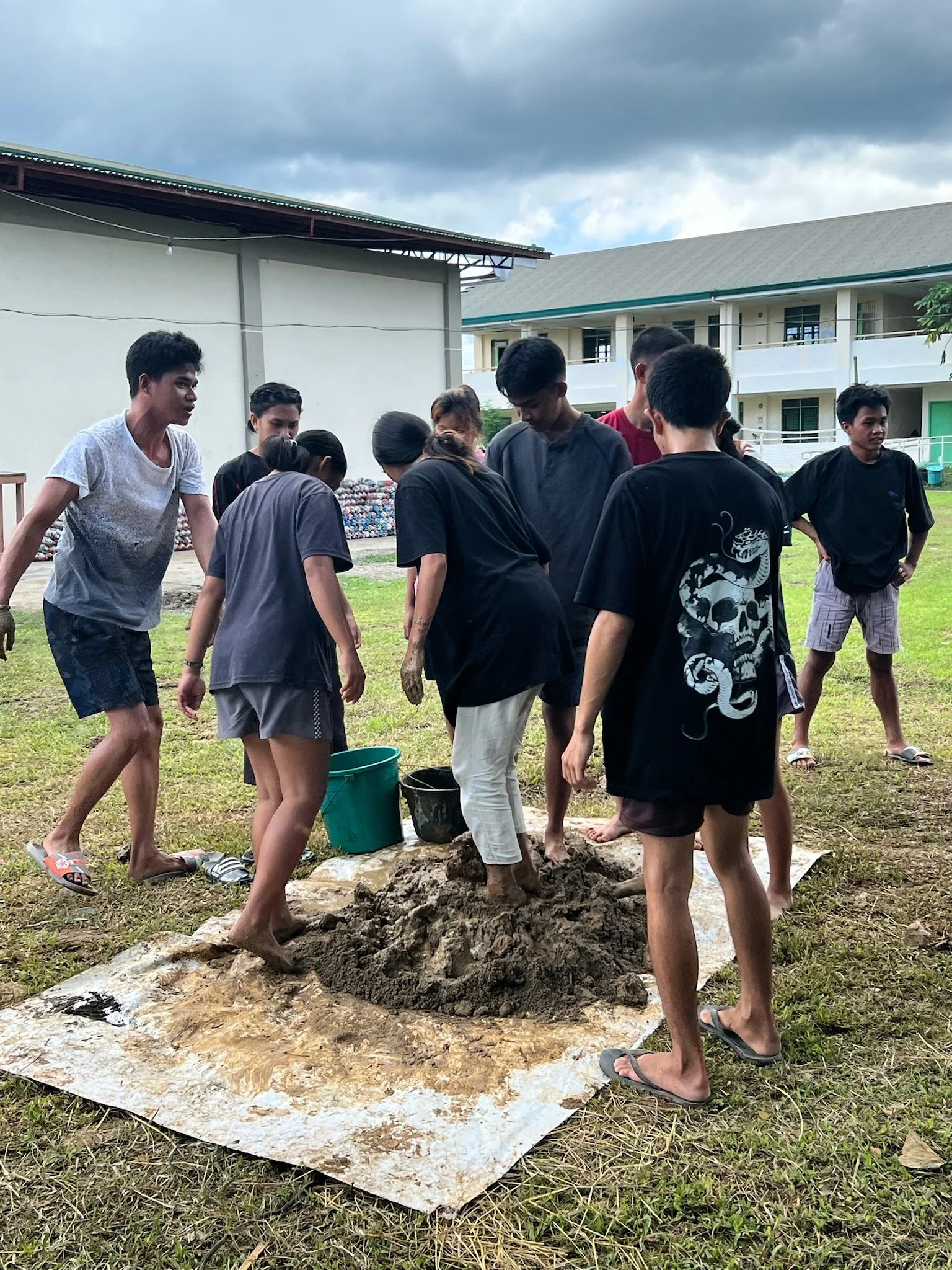

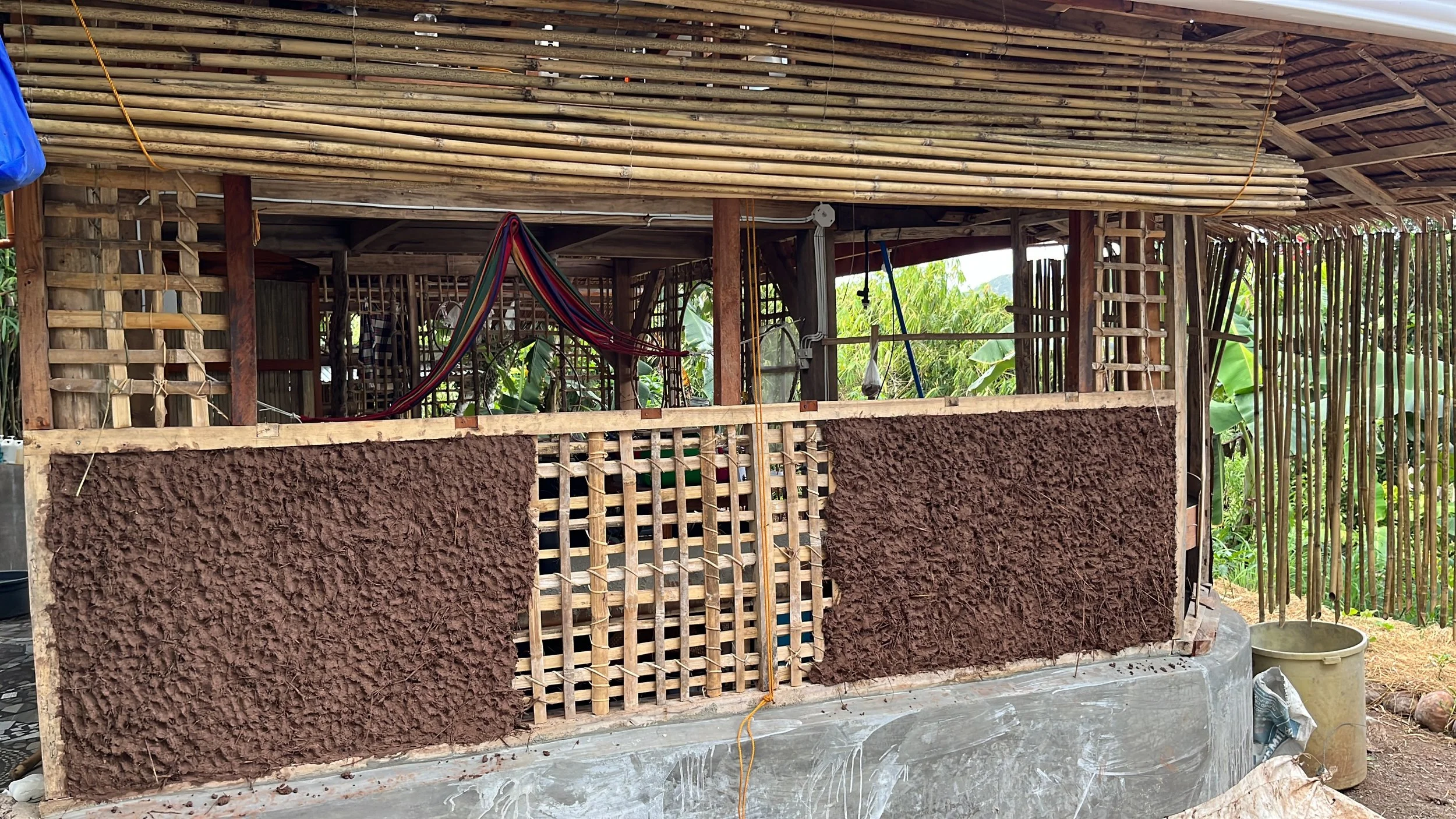
In partnership with Malaya Permakultura, Maia Earth hosts natural building workshops that bring together practical construction skills, ecological design, and collaborative learning. Our trainings are held both at our mountain site and within the communities and institutions where our projects take place—including schools, health initiatives, and correctional facilities—allowing participants to learn directly through real building processes and local contexts.
Working with earth, bamboo, stone, rice straw, timber, and other locally available materials, participants gain hands-on experience in every stage of natural construction, from material preparation and wall building to finishing techniques, design, and site planning. Where appropriate, circular building practices—including the integration of reclaimed materials such as ecobricks—are explored as practical approaches to reducing environmental impact while making thoughtful use of available resources.
Beyond technical skills, our workshops encourage participants to understand buildings as living systems that are shaped by climate, culture, ecology, and community. Through knowledge exchange, observation, and shared practice, we explore how architecture can respond to local needs while strengthening relationships with place and supporting long-term environmental stewardship.
Whether participants join as students, professionals, builders, educators, or simply curious learners, our goal is to create welcoming spaces where knowledge is shared openly and practical experience becomes a foundation for future projects, livelihoods, and collaborations.

