
Long-term well-being
Building Livelihoods Through Land, Learning, and Local Wisdom

Located on the outskirts of Puerto Princesa City in Palawan, Maia Earth works alongside rural and Indigenous communities to create livelihood opportunities that are closely connected to land, local materials, and shared knowledge. Many of our initiatives emerge through natural building, ecological restoration, and land stewardship, where meaningful work is combined with opportunities to learn, exchange skills, and strengthen long-term relationships with place.
Rather than separating livelihood from environmental care, we see them as part of the same living system. Guided by the principles of permaculture and informed by Indigenous ecological knowledge, our projects explore practical ways of building, growing, and caring for the land while supporting local economies. Through natural building, regenerative agriculture, seed saving, tree planting, agroforestry, and other collaborative initiatives, we seek to create conditions where both people and ecosystems can continue to thrive together.
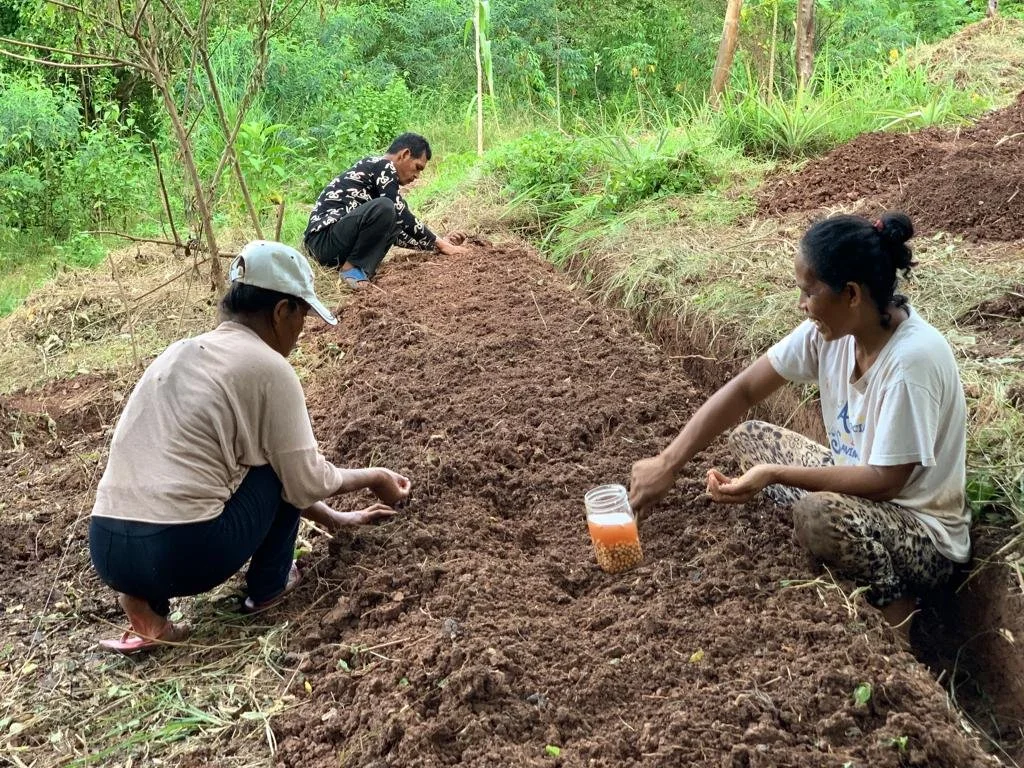
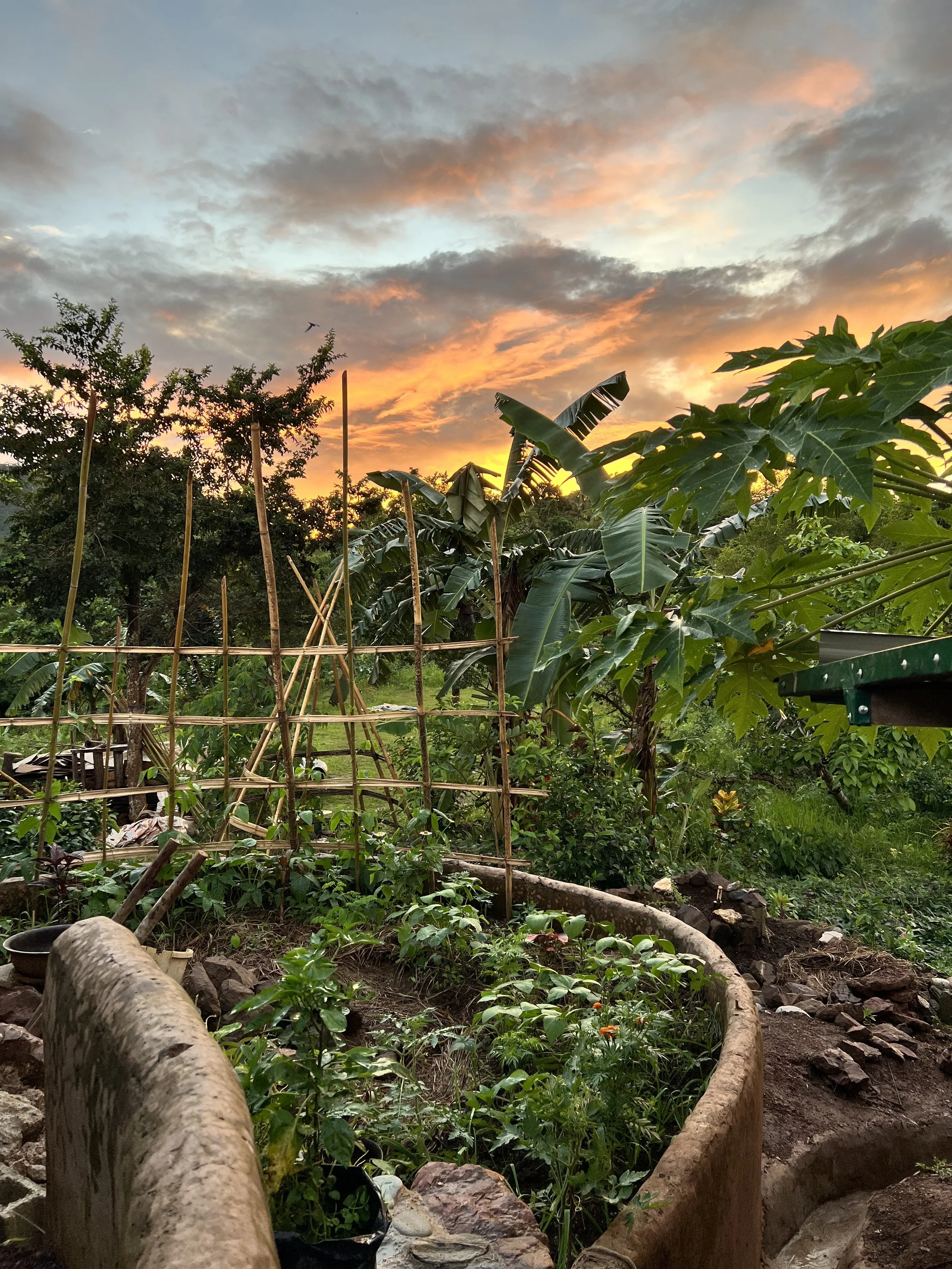

Hands-on learning is at the heart of our livelihood initiatives. Through natural building, ecological restoration, regenerative agriculture, and land-based practices, participants develop practical skills while contributing to projects that strengthen local knowledge, care for the environment, and create opportunities for meaningful work. Rather than separating capacity building from implementation, our approach allows learning to happen through the process of building, growing, and working together.
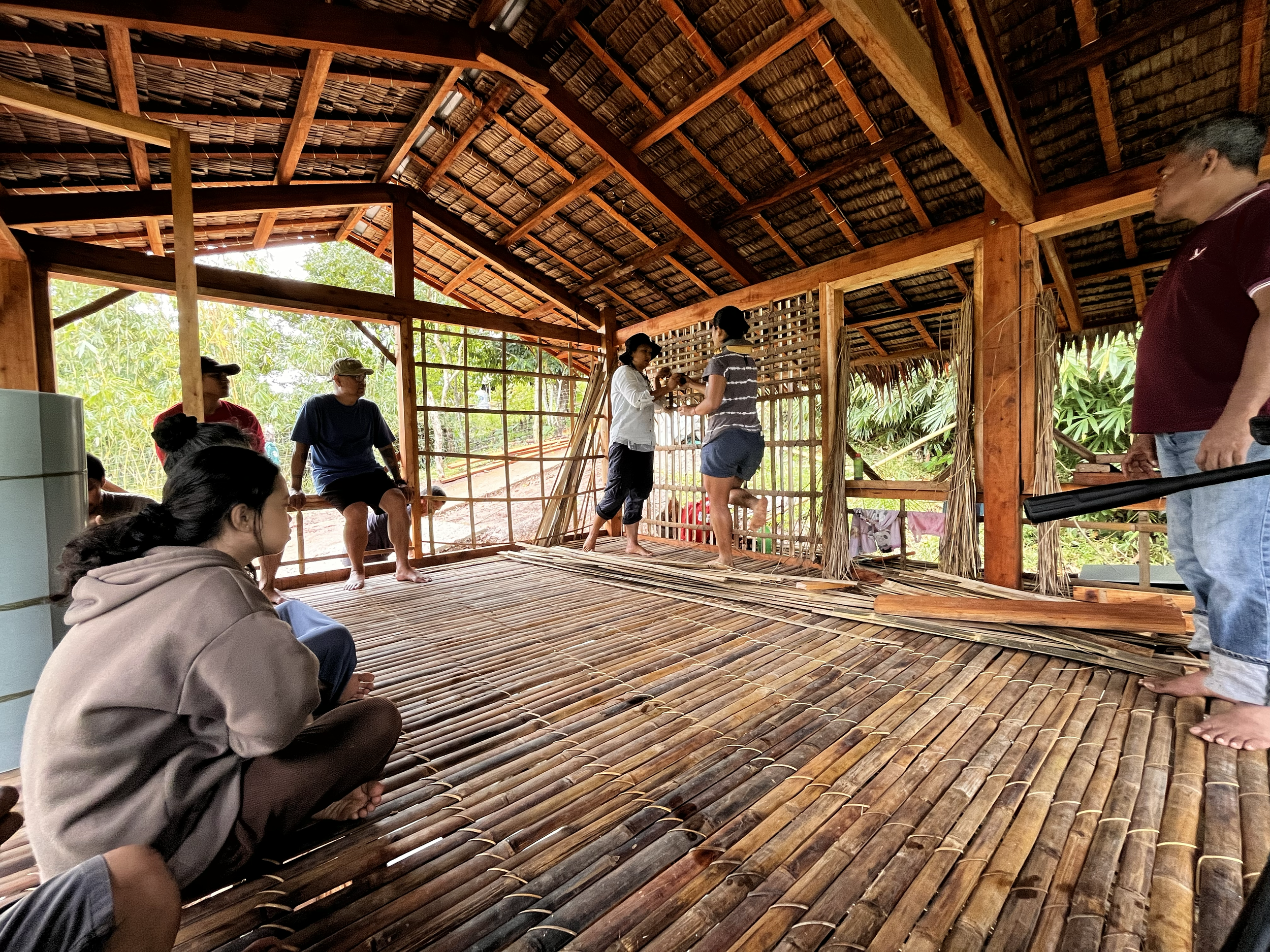
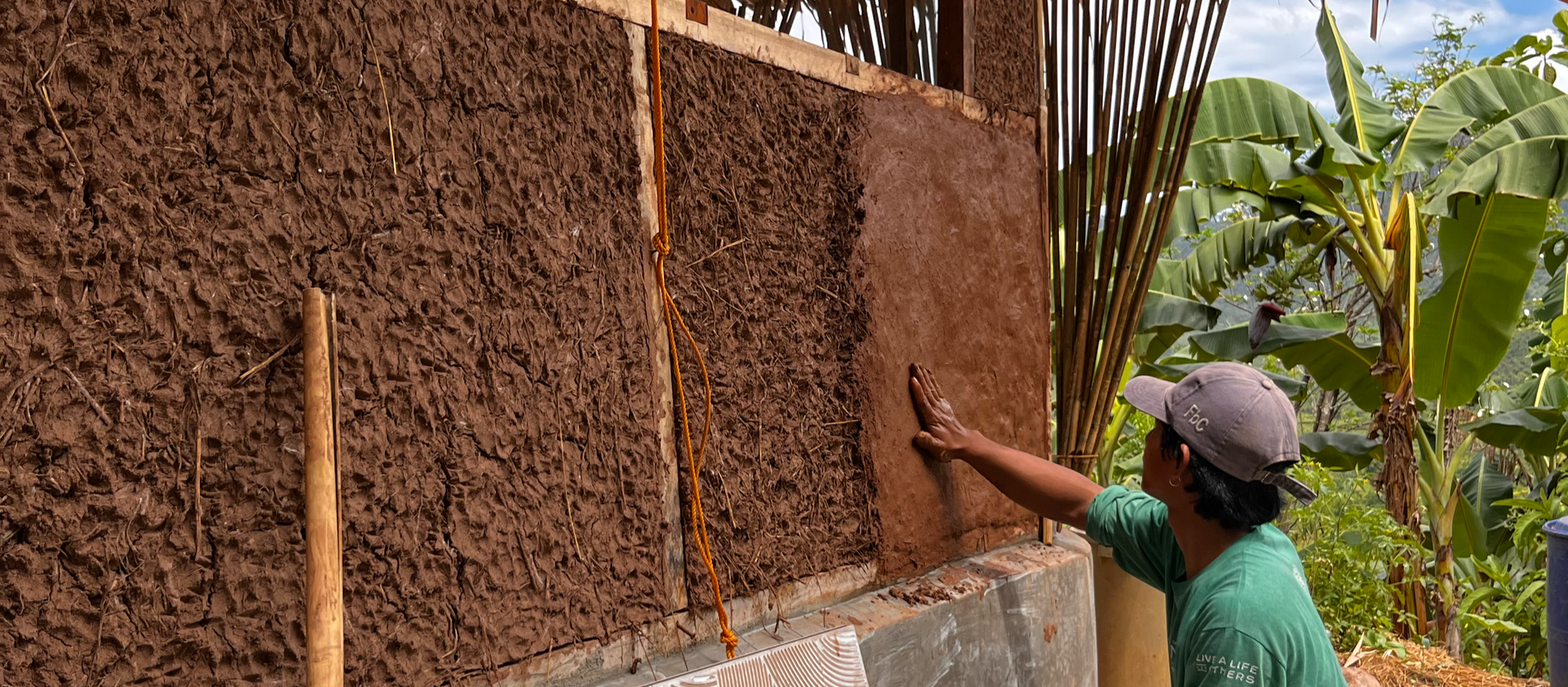
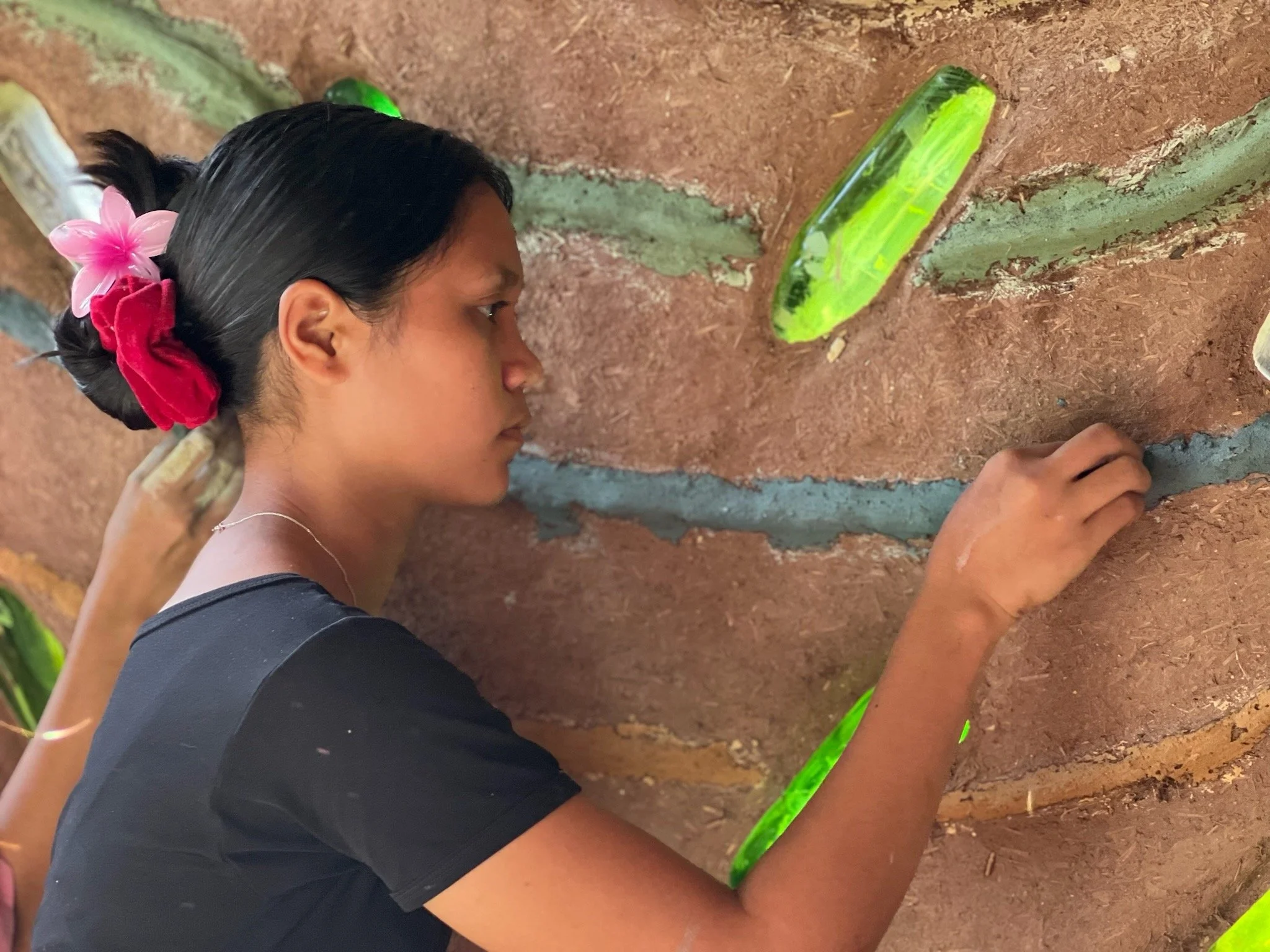
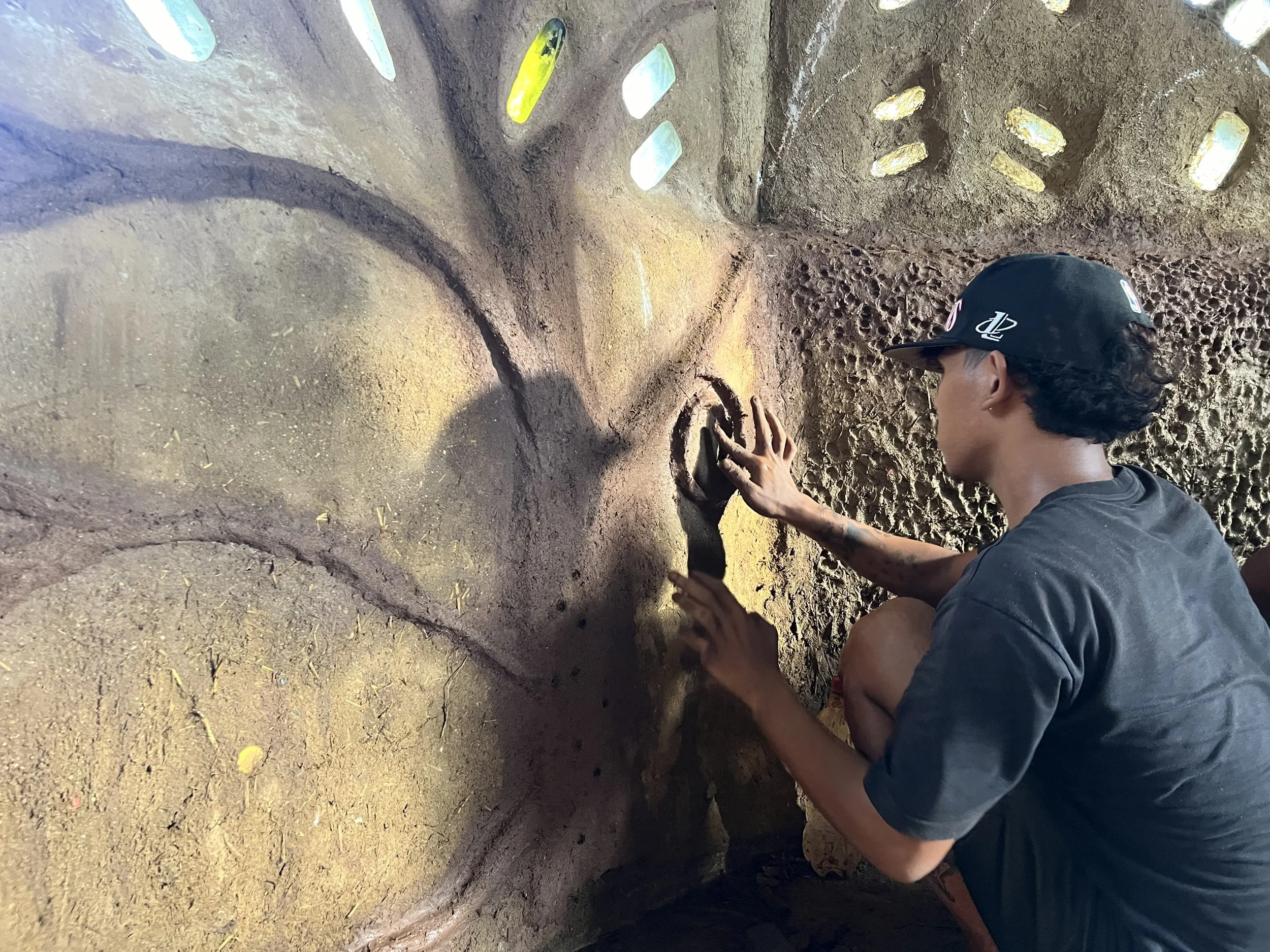
Natural building has become one of the primary ways this knowledge is shared. Using locally available materials such as earth, bamboo, rice straw, stone, and other natural resources, our projects demonstrate low-impact approaches to construction that are both environmentally responsible and rooted in local contexts. Where appropriate, reclaimed materials—including ecobricks—are integrated into the design, illustrating how circular resource systems can become part of everyday building practices.
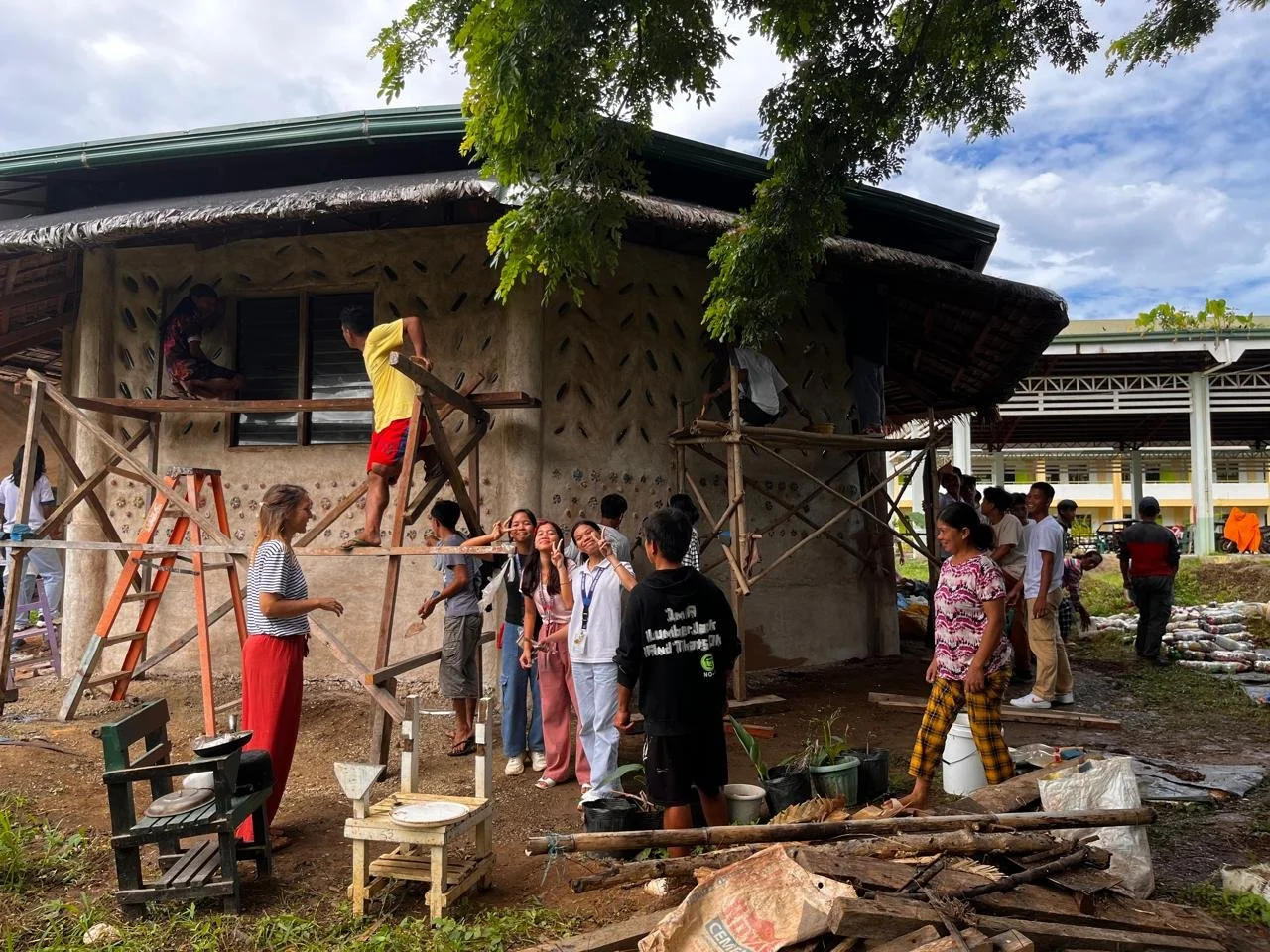
This approach can be seen across several ongoing collaborations. At Bacungan National High School, students participated in the construction of Bahay Pangarap, a mud-and-ecobrick classroom built as part of a long-term partnership that continues to expand through school gardens, ecobrick initiatives, and environmental education. At the Iwahig Prison and Penal Farm, the Bahay BaLayan project brings together persons deprived of liberty, engineers, local practitioners, government partners, and volunteers in the construction of a multipurpose natural building using materials sourced largely from the surrounding landscape. Still nearing completion, the project continues to serve as a living space for knowledge exchange, demonstrating how natural building can foster collaboration across institutions while creating practical models for sustainable construction and land stewardship.







Lasting change grows through opportunities to learn, work, and care for the places we call home.
Learning is woven throughout our livelihood initiatives, creating opportunities for knowledge to be shared across generations through everyday practice. Alongside practical skills such as natural building, gardening, and land stewardship, we seek to cultivate curiosity, care for place, and respect for the ecological and cultural knowledge that has shaped communities over time.
Recognising that participation often depends on the wellbeing of entire families, many of our projects are designed with children in mind. While adults take part in workshops, construction, and livelihood activities, children are welcomed into safe and nurturing spaces where they can play, explore nature, and learn alongside one another.
In 2024, Maia Earth completed the construction of a natural building mudhouse that now serves as a free daycare and after-school learning space for children from Puroks Maranat Uno, Dos, and Tres in Barangay Bacungan. Built entirely through the support of Maia Earth, the project brought together livelihood, capacity building, and natural building, while creating a place where children, families, and neighbours can continue to gather, learn, and grow within the rhythms of community and the surrounding landscape.