
Bahay BaLayan: Transforming Landscapes, Freeing Hearts
An ongoing natural building initiative within the Iwahig Prison and Penal Farm exploring sustainability, inclusion, and knowledge through shared construction.
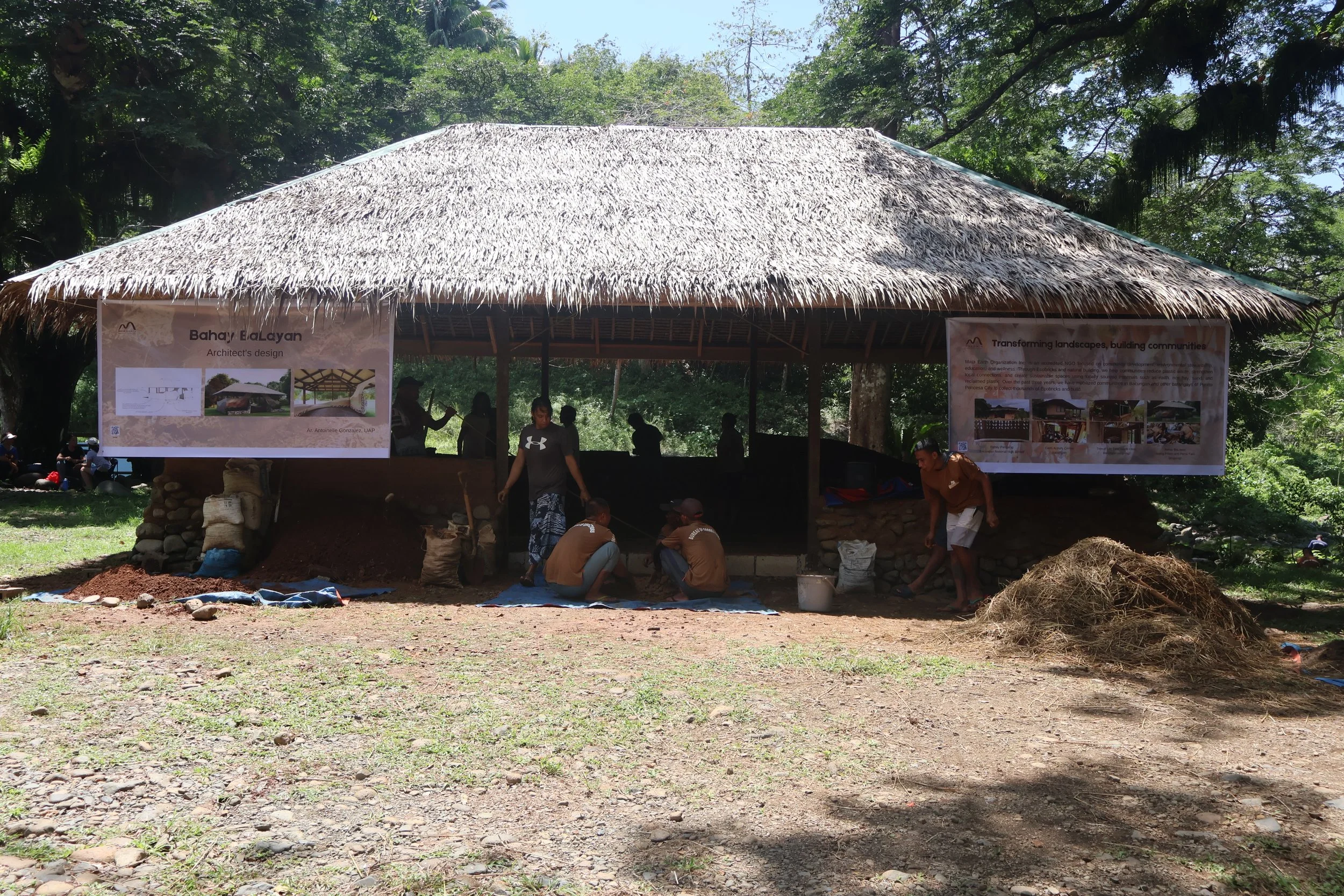
Bahay BaLayan is an ongoing natural building initiative that explores how sustainable construction can become a meeting point for environmental stewardship, practical education, institutional collaboration, and livelihood development. Located within the Iwahig Prison and Penal Farm in Palawan, the project brings together local knowledge, natural materials, and collaborative learning to create a multipurpose space that is gradually taking shape through shared participation. More than a building, Bahay BaLayan is an evolving process that explores how places can be created through relationships, learning, and a shared commitment to sustainability.
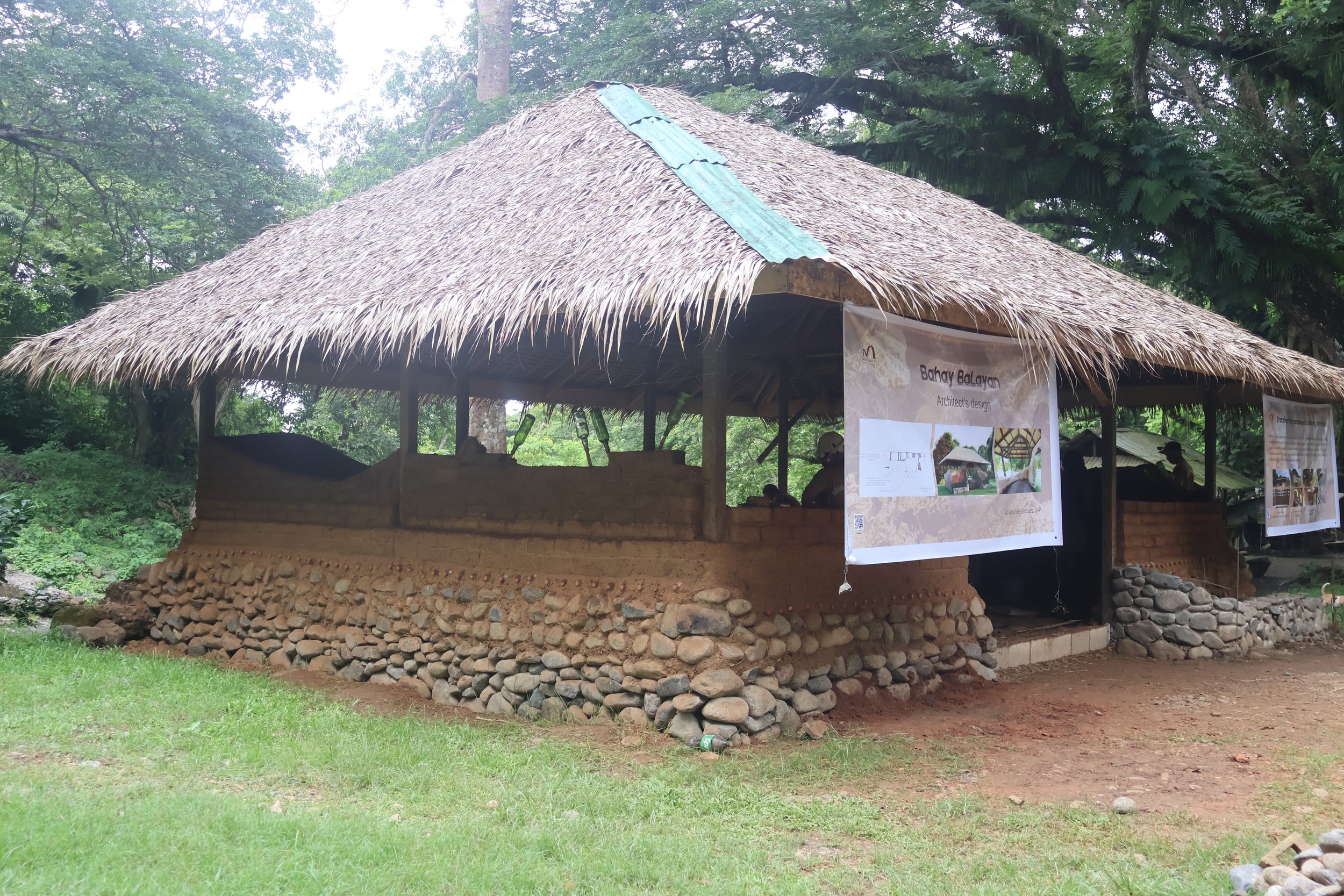
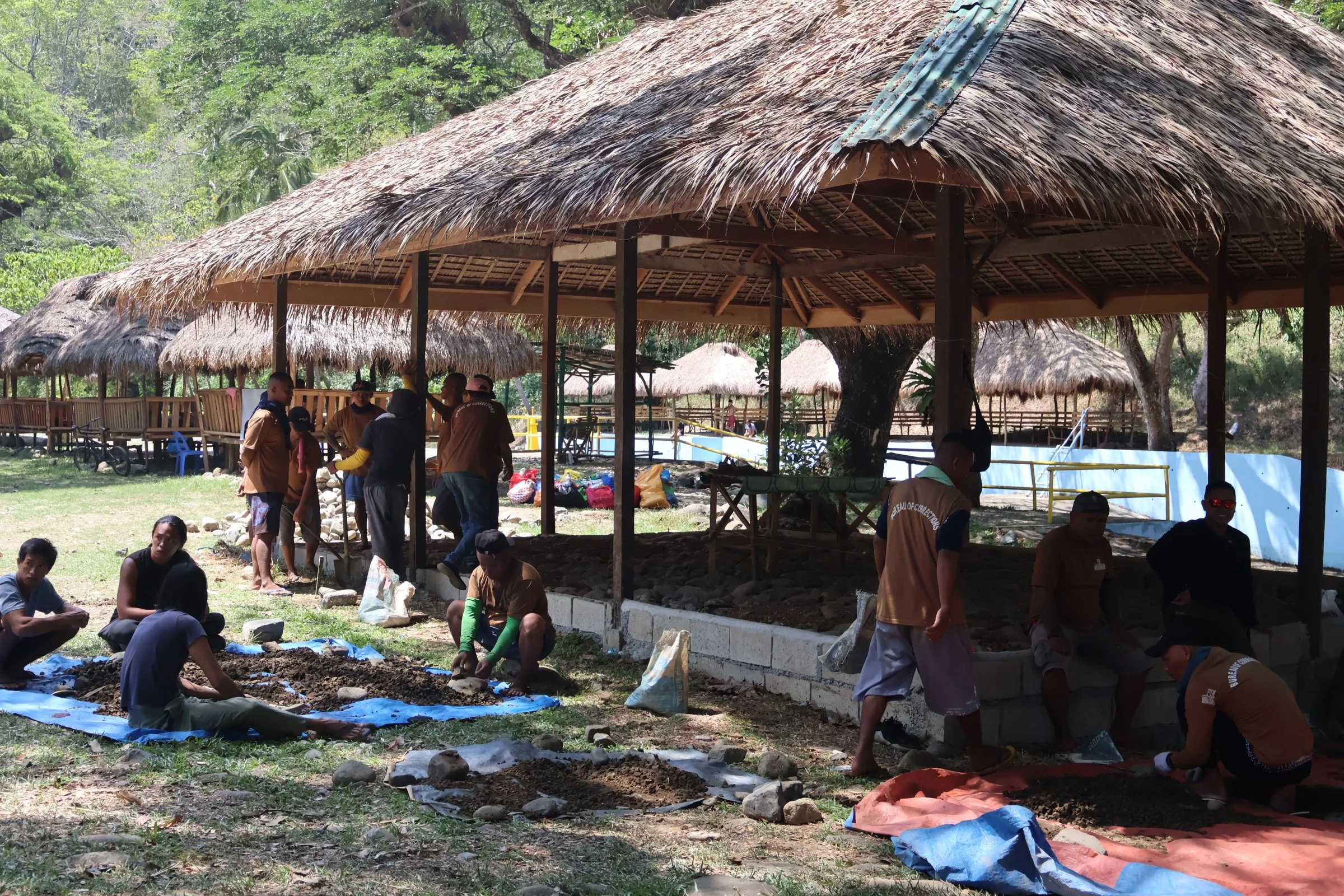
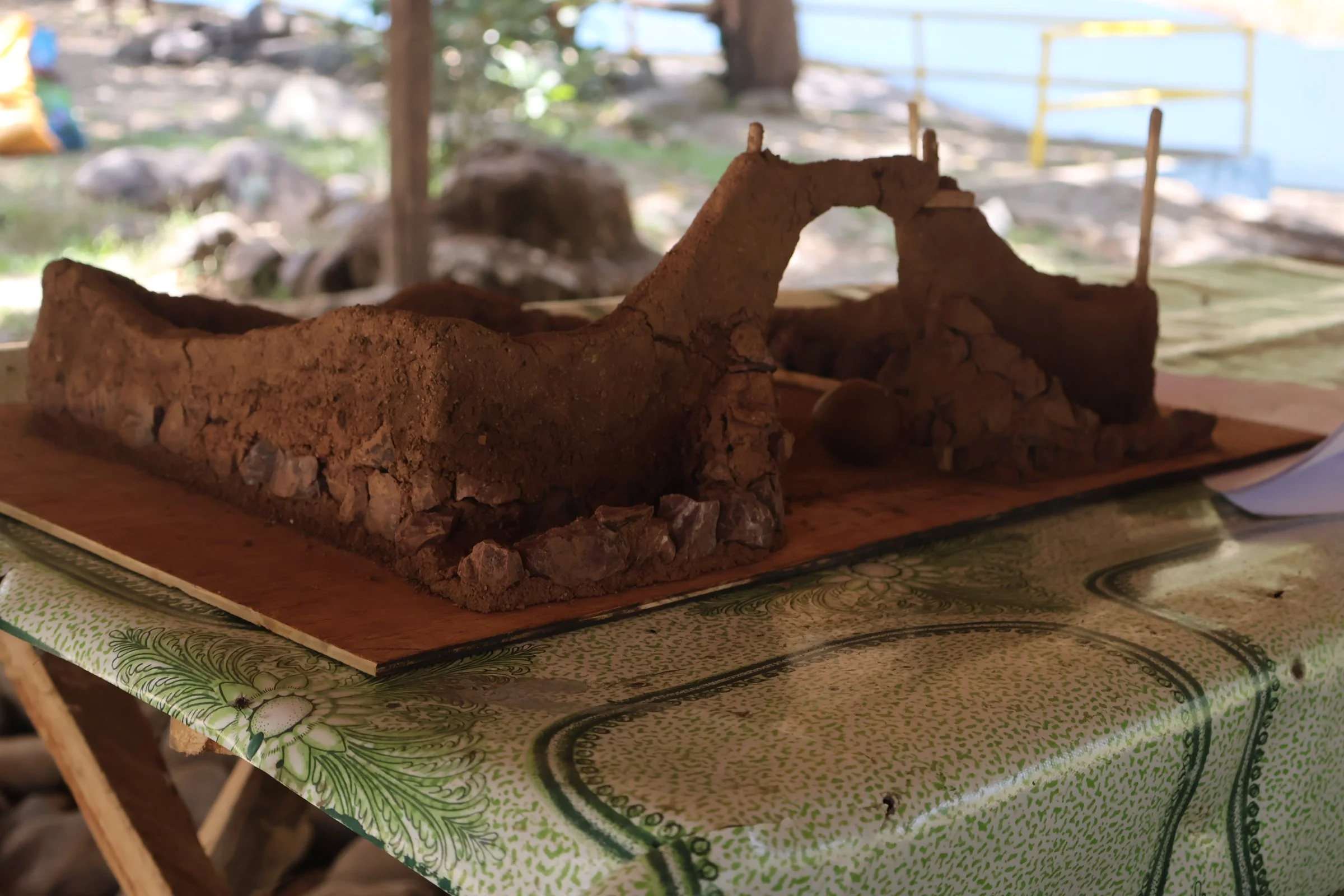
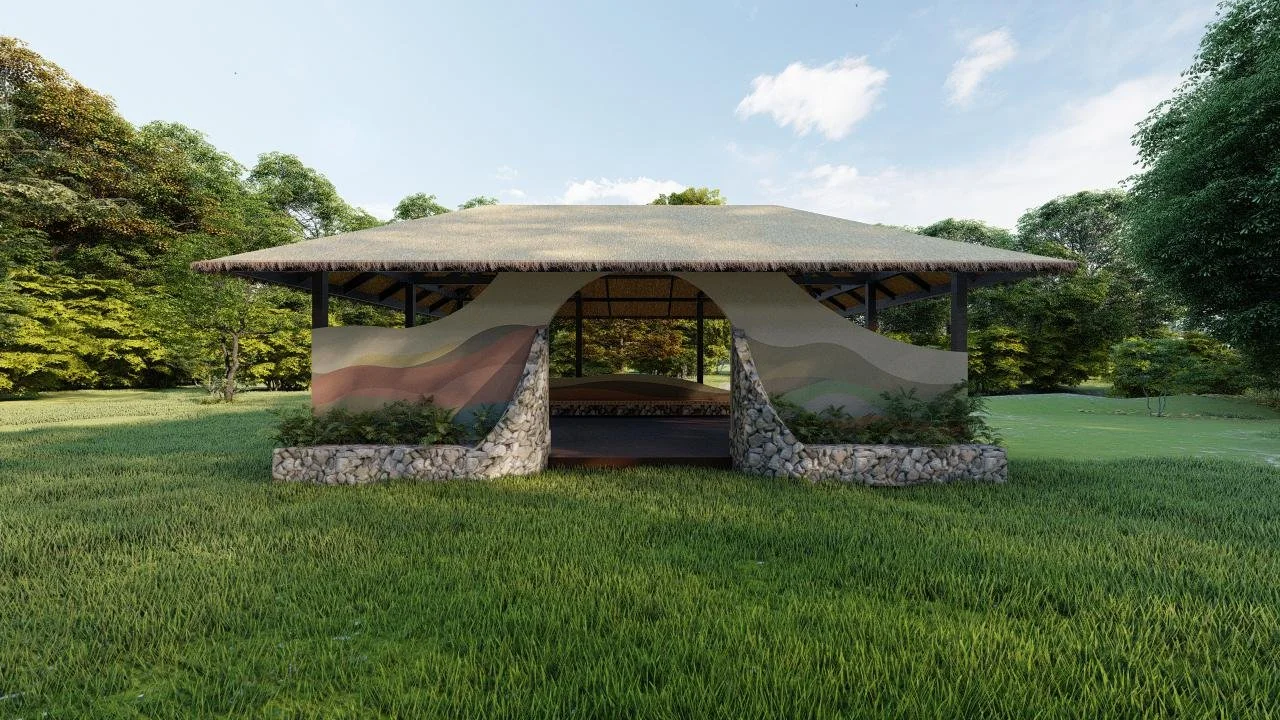
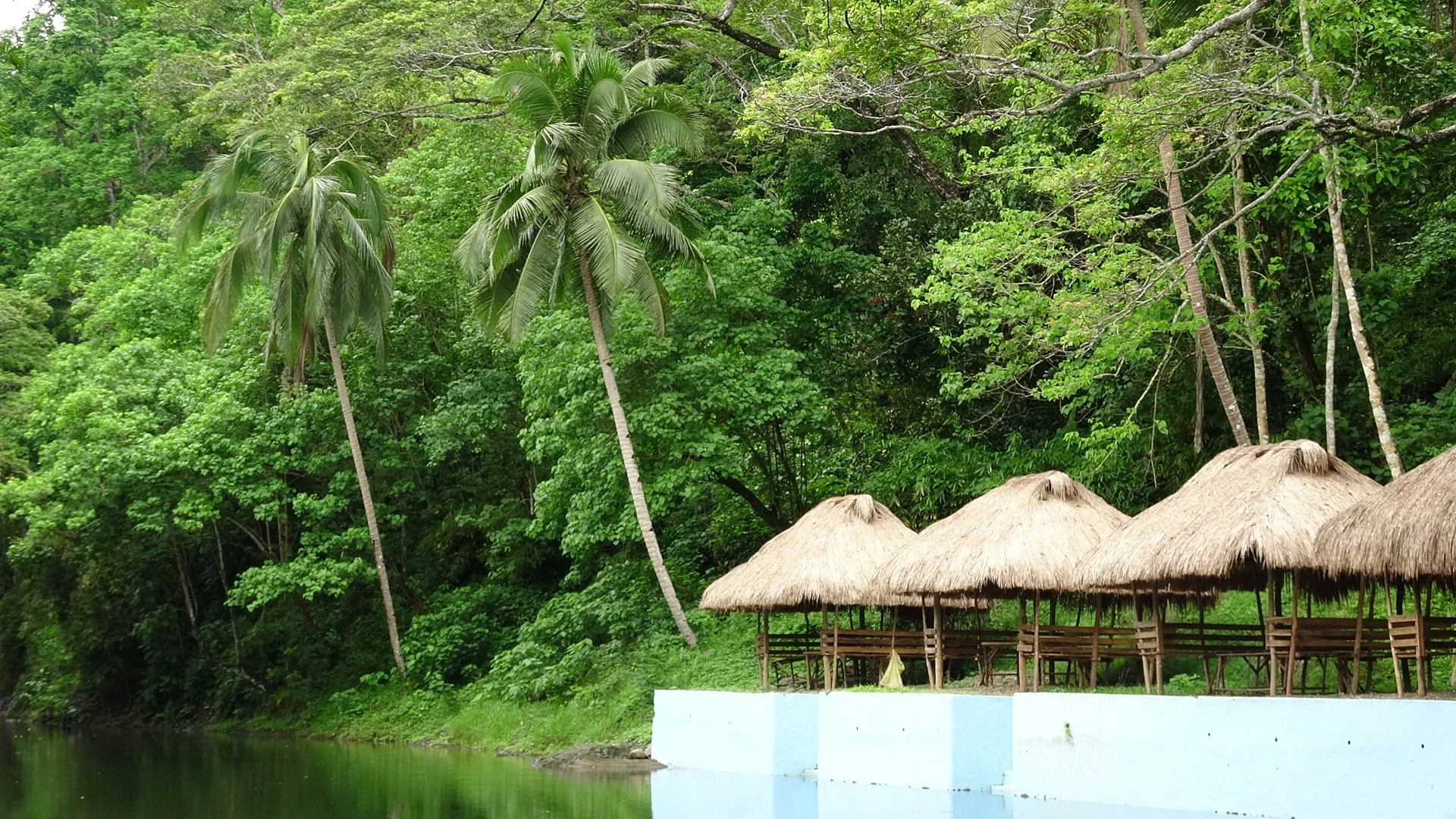
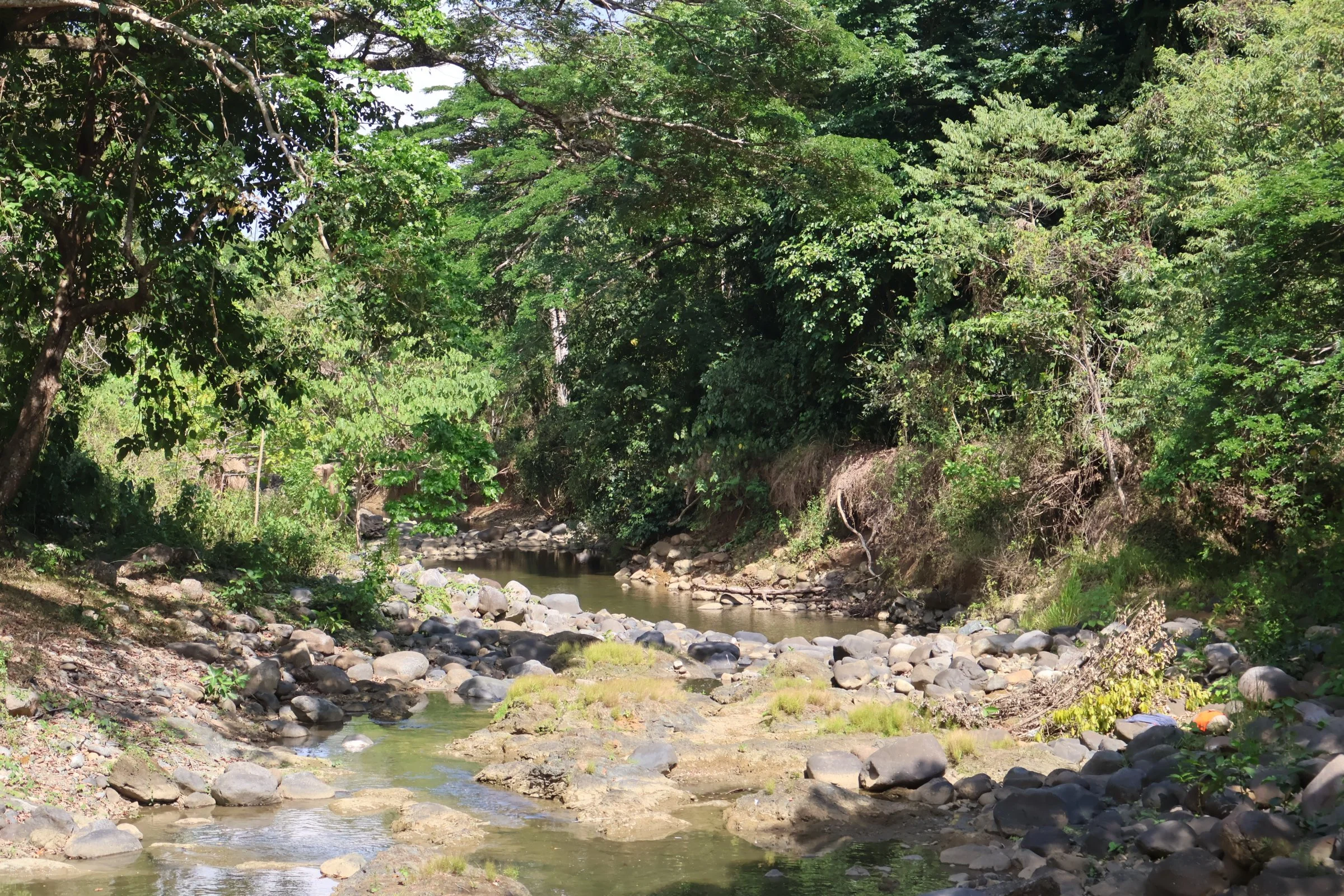
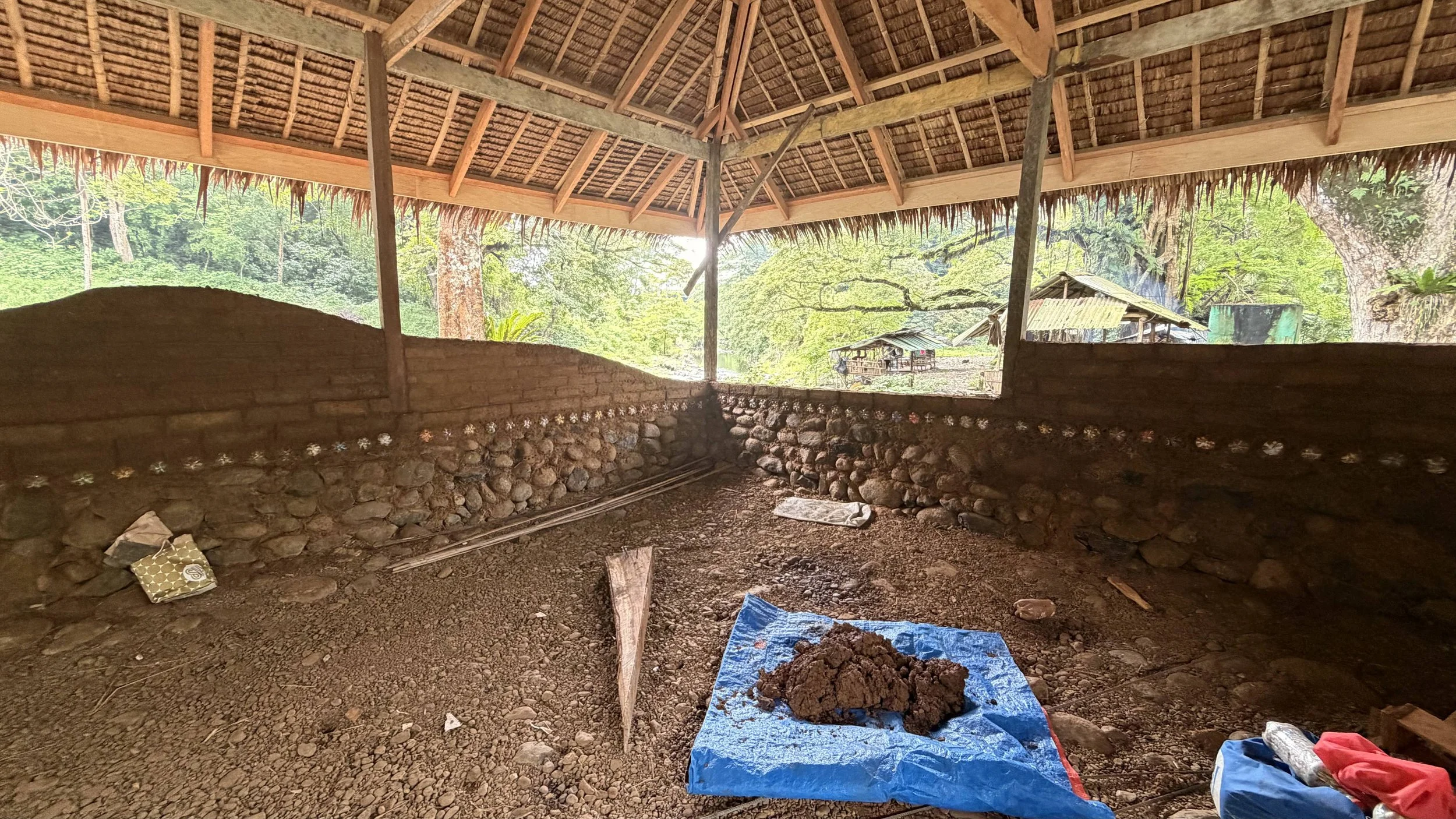
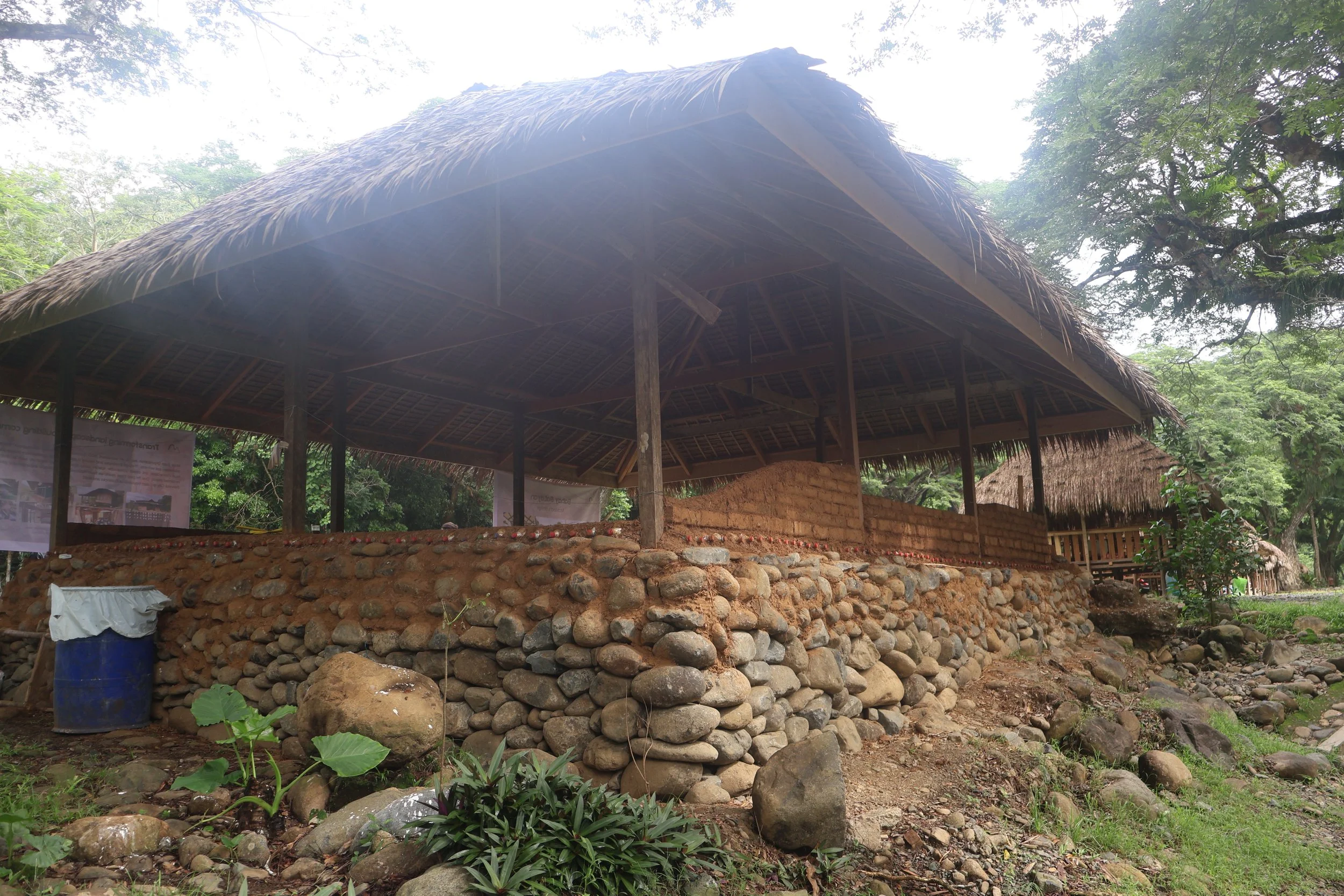
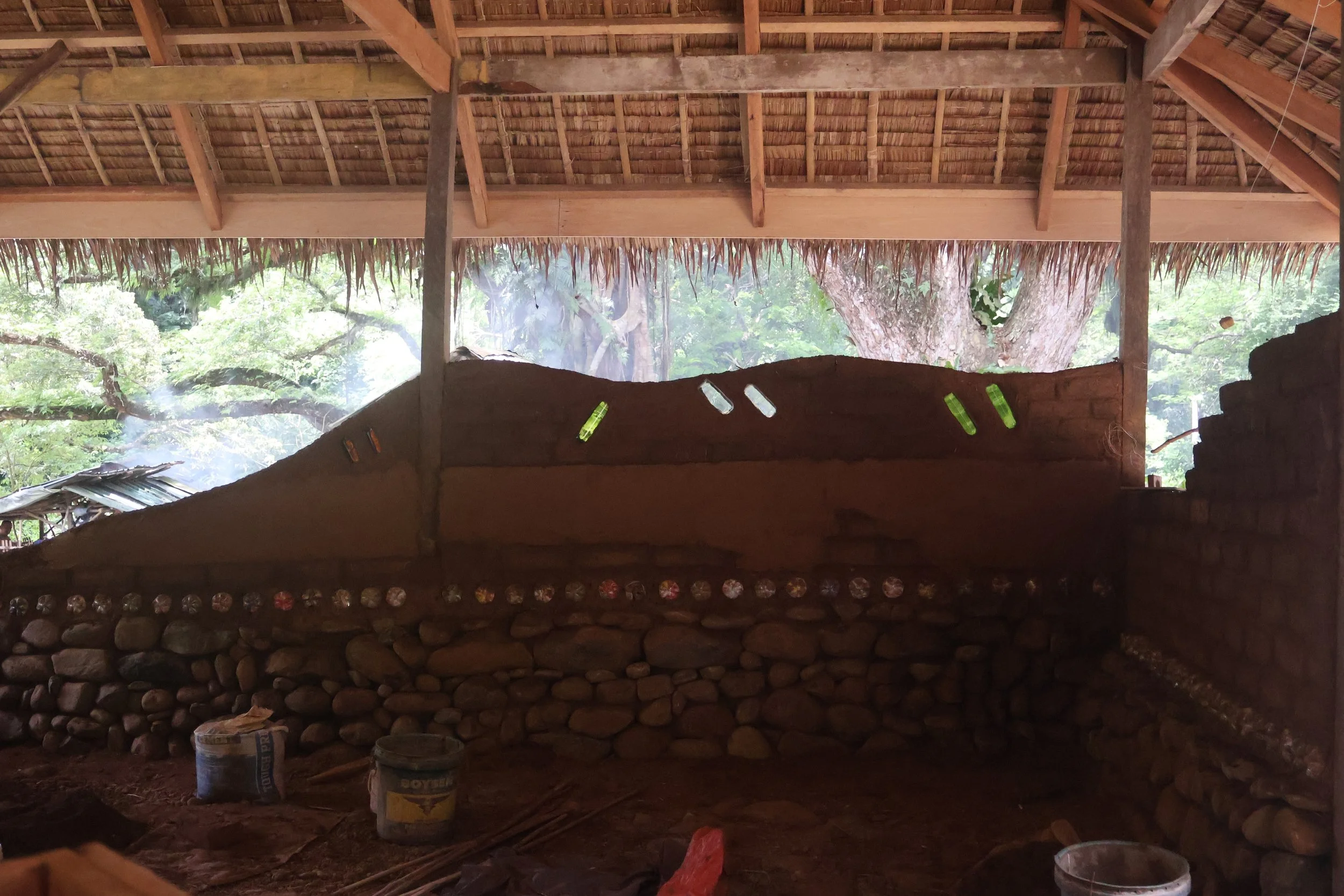
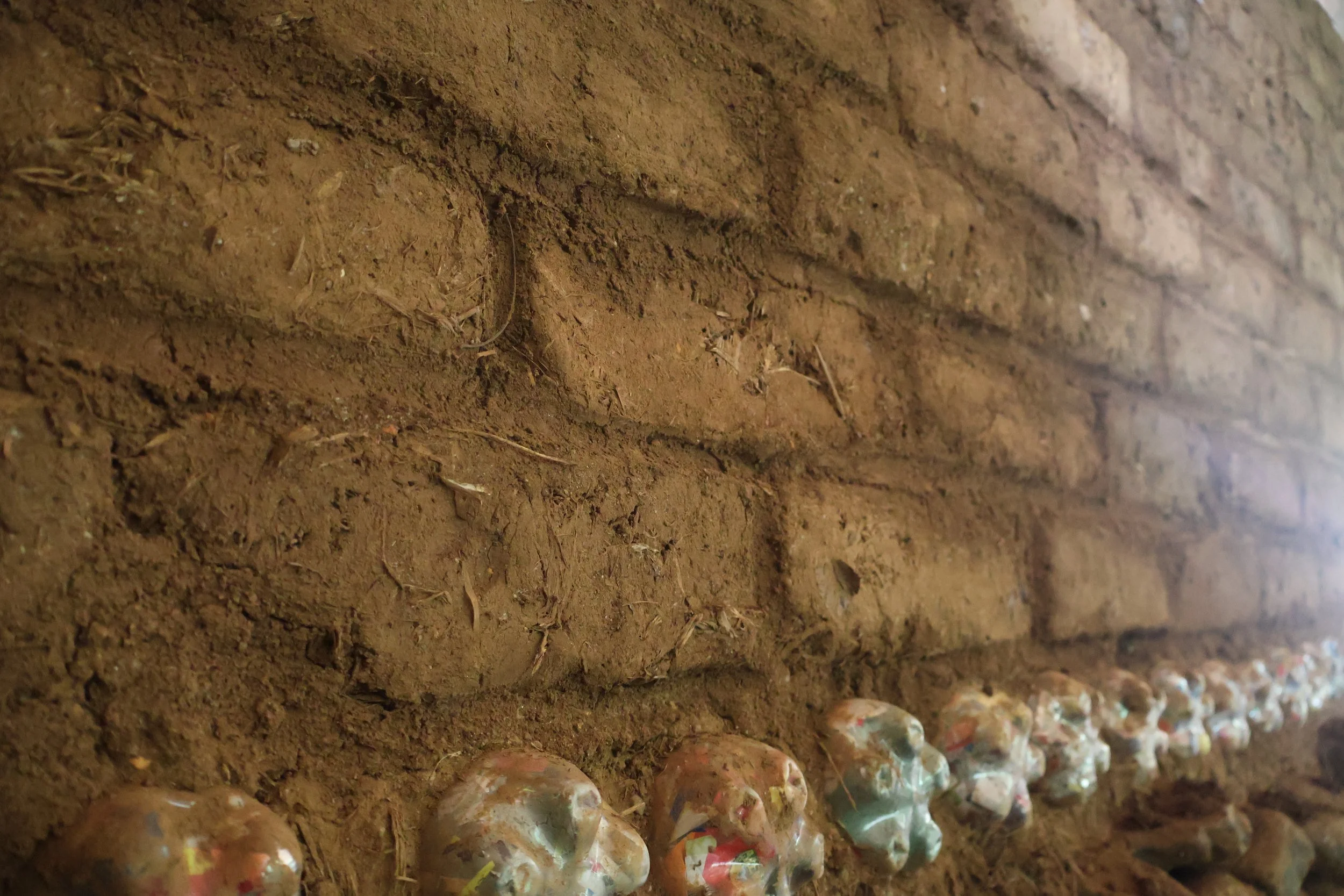
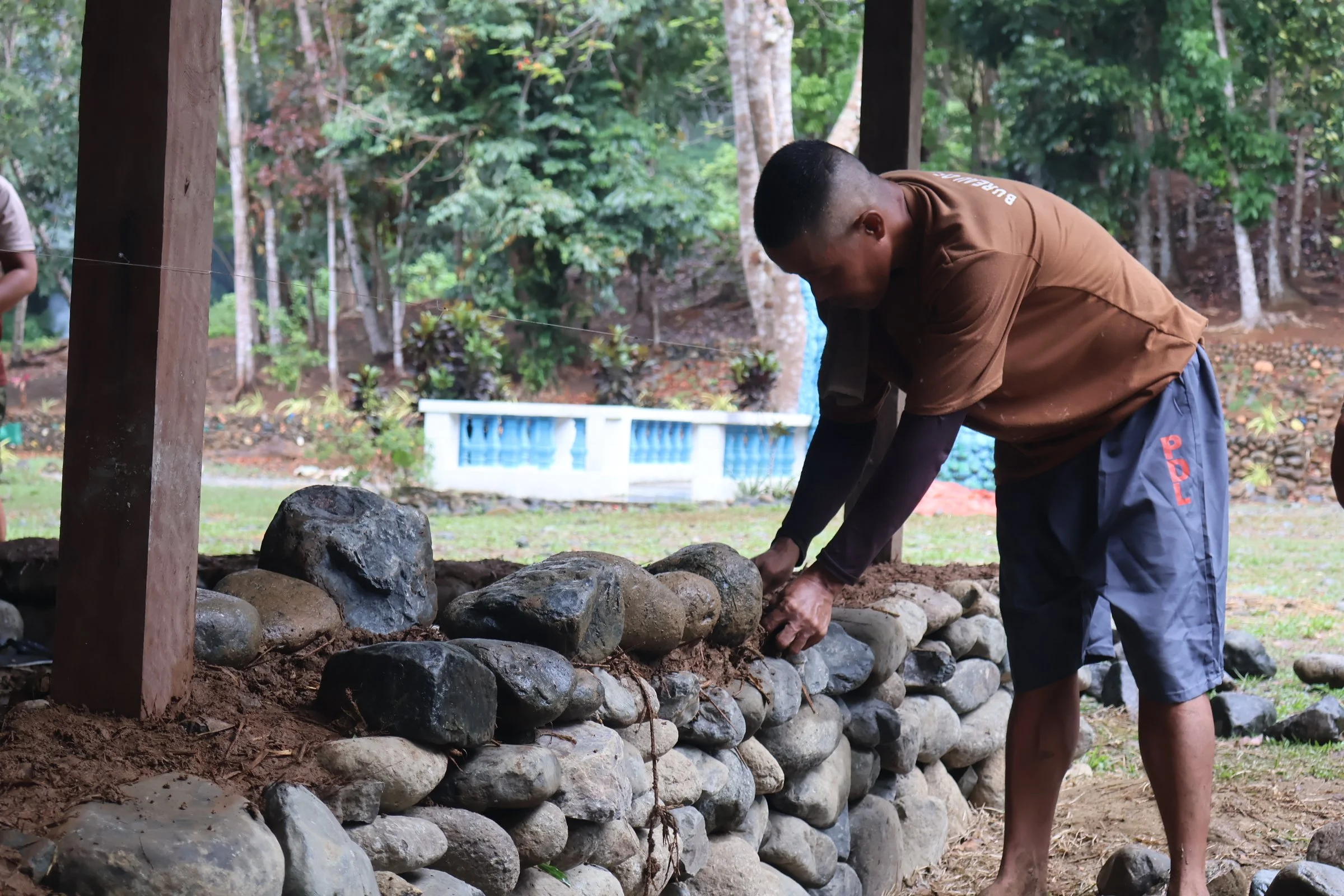
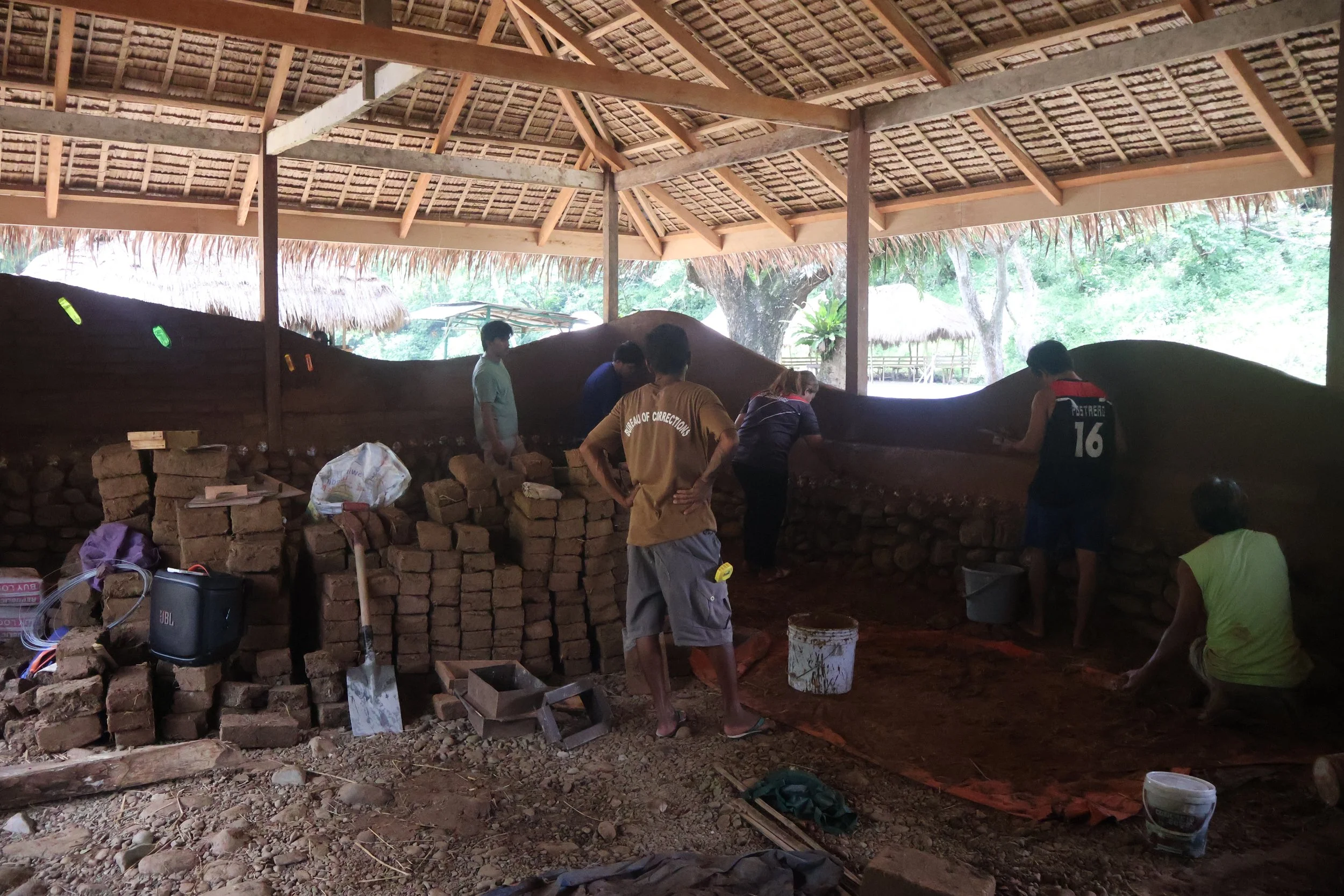
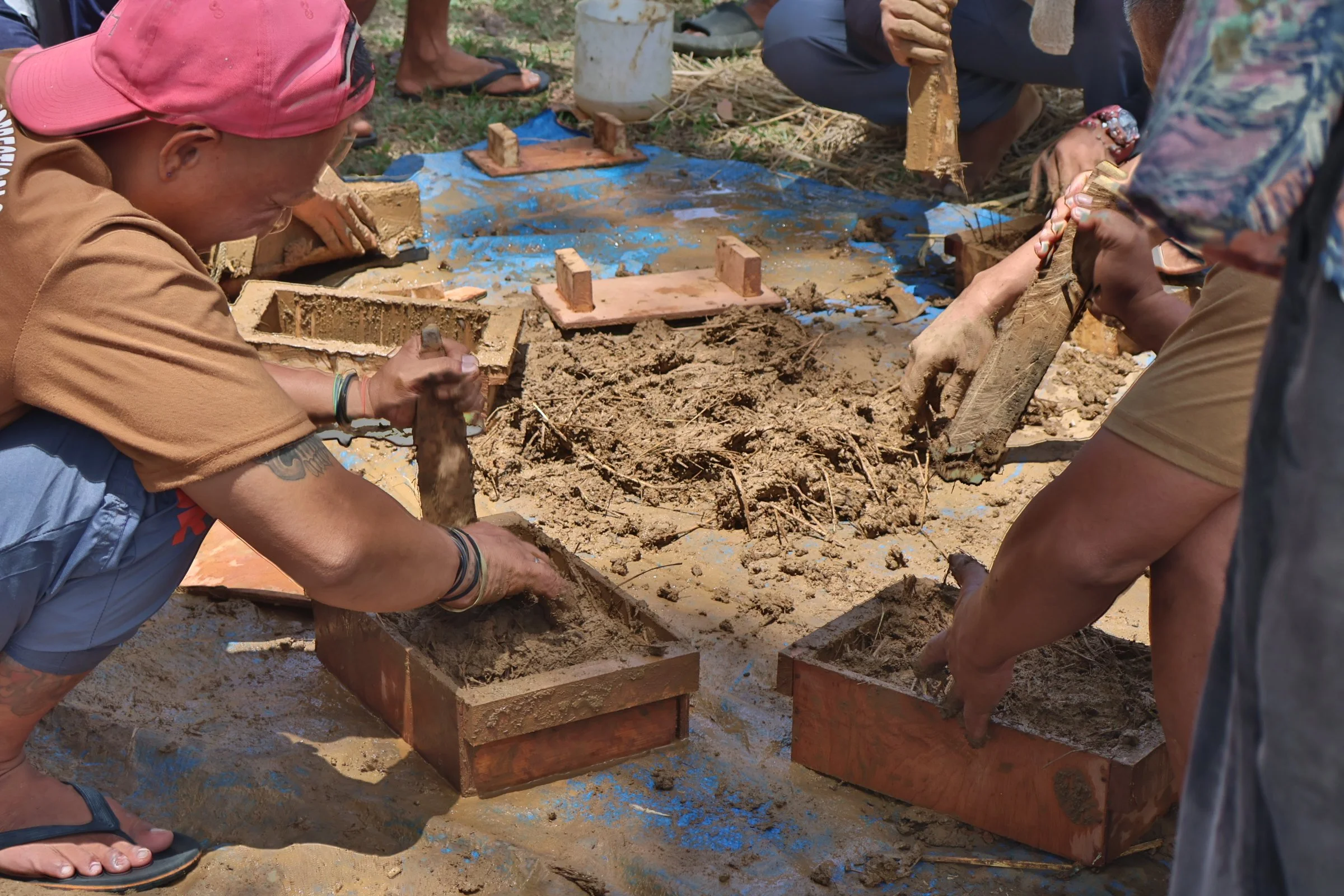
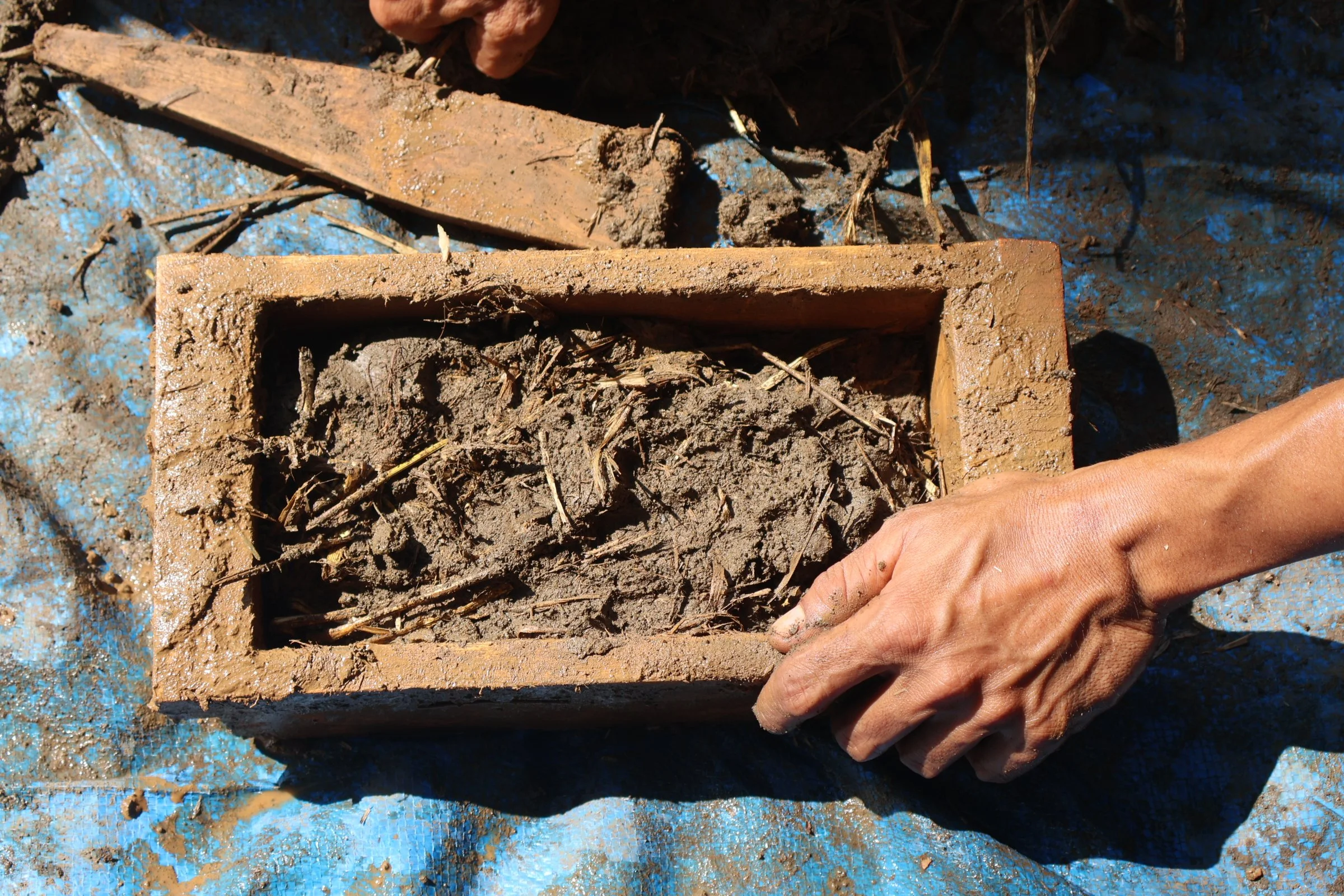
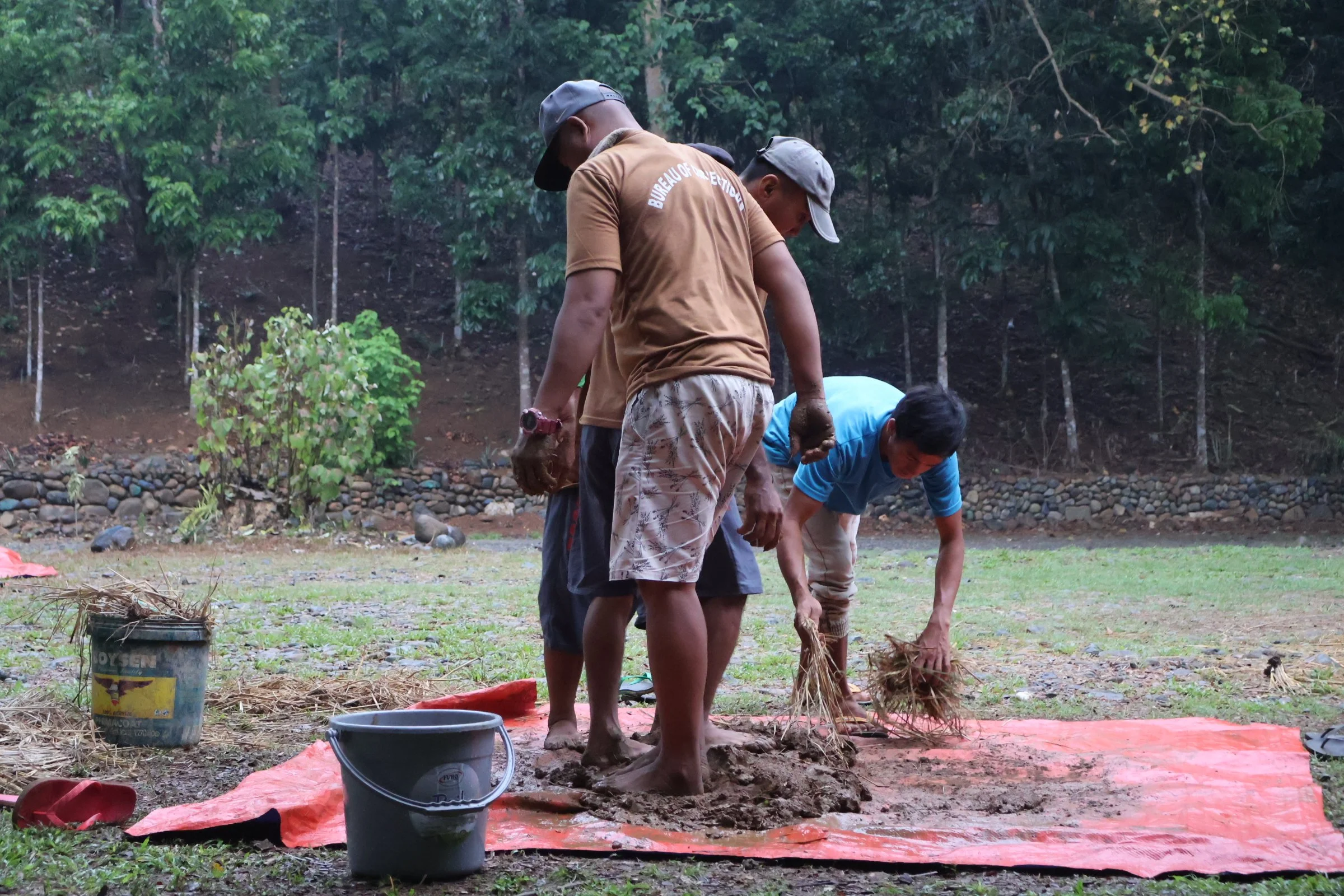
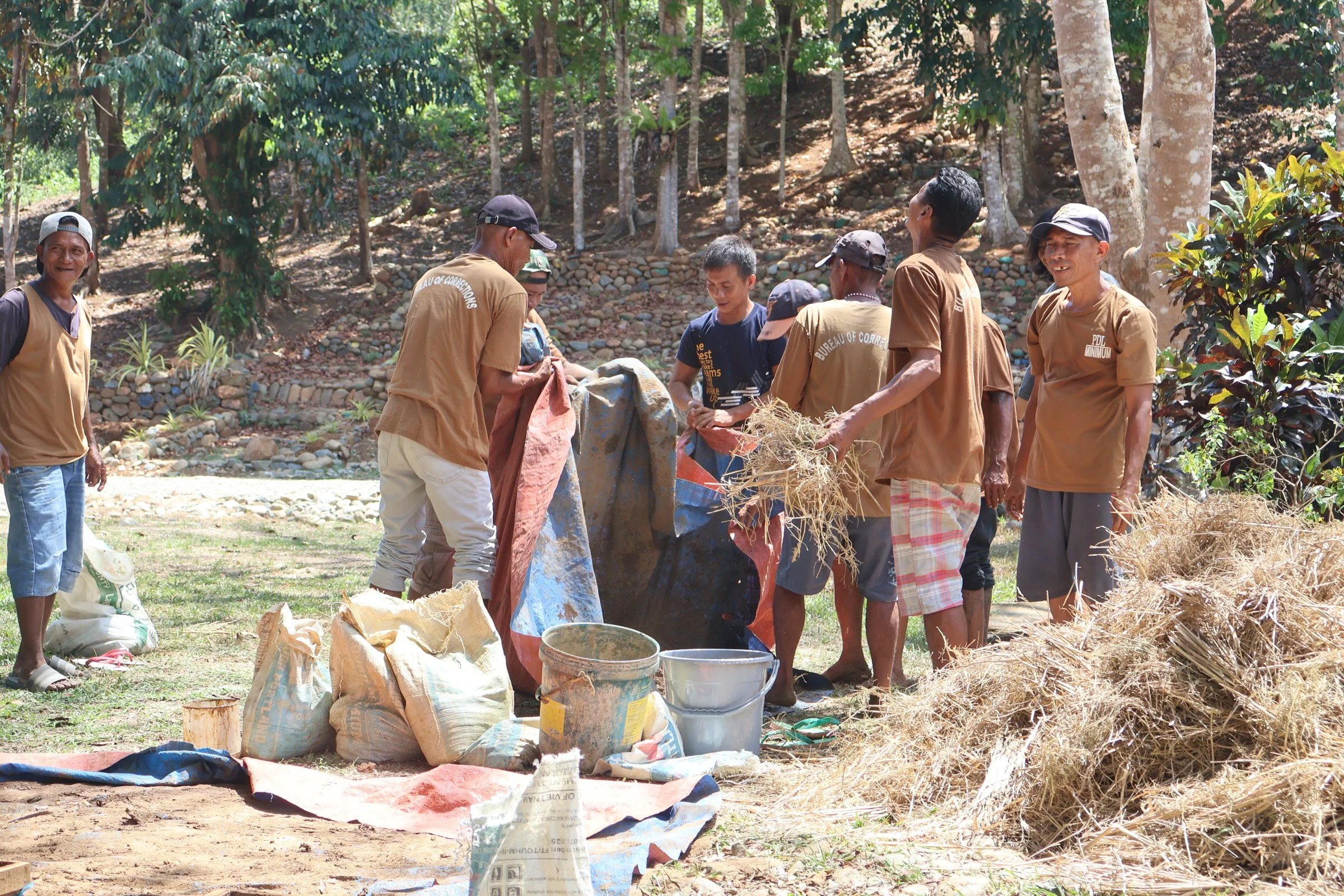
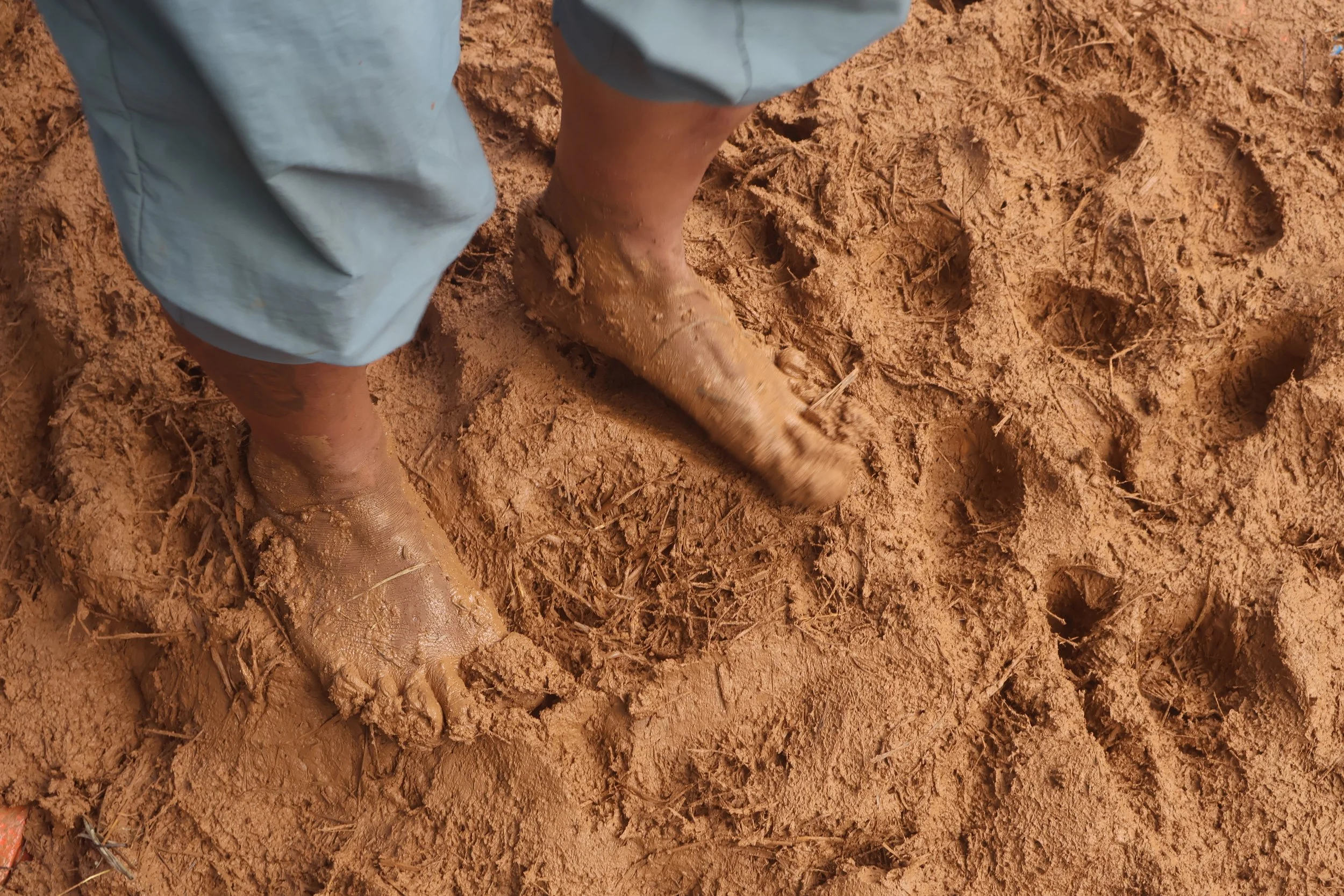
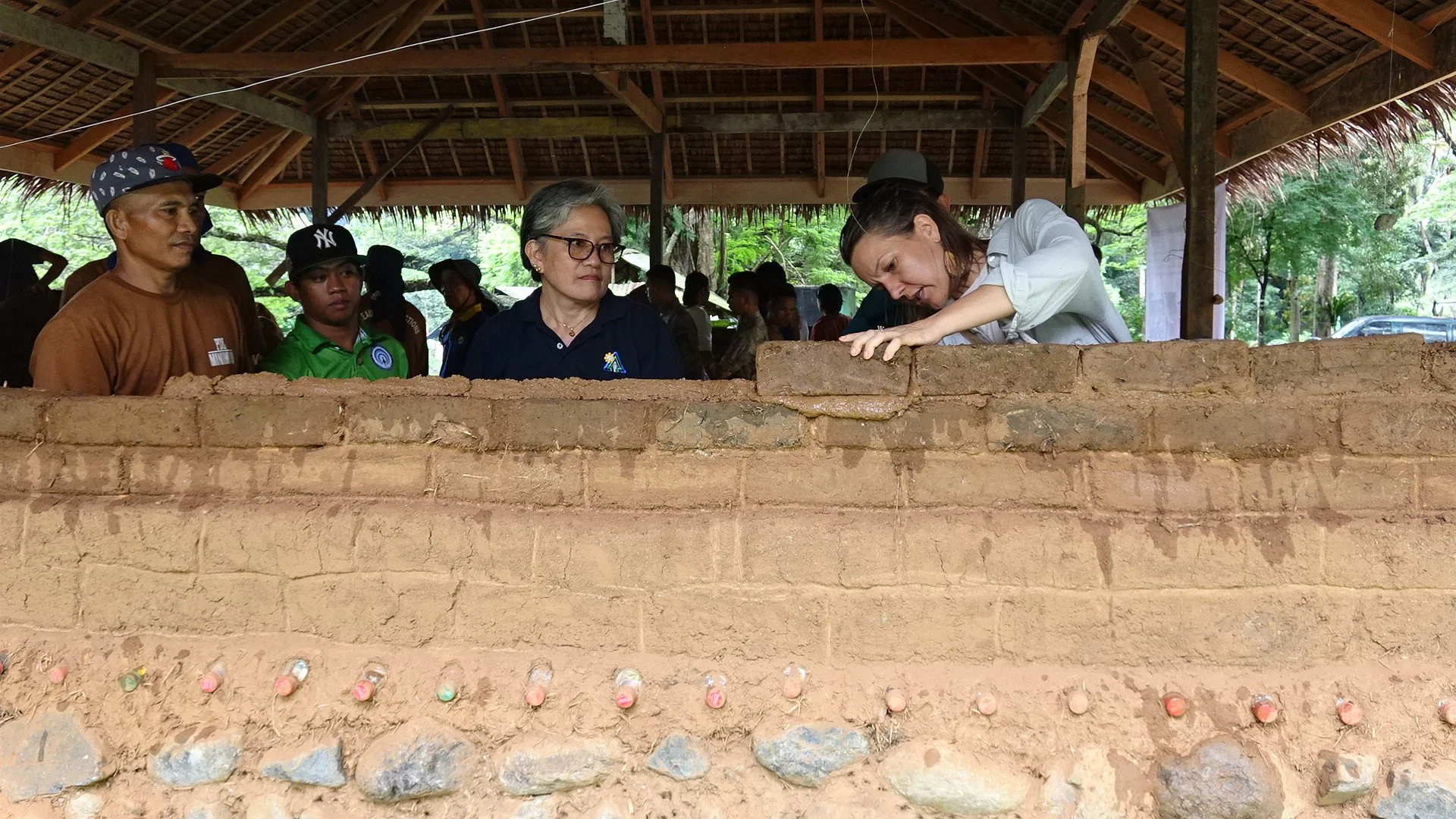
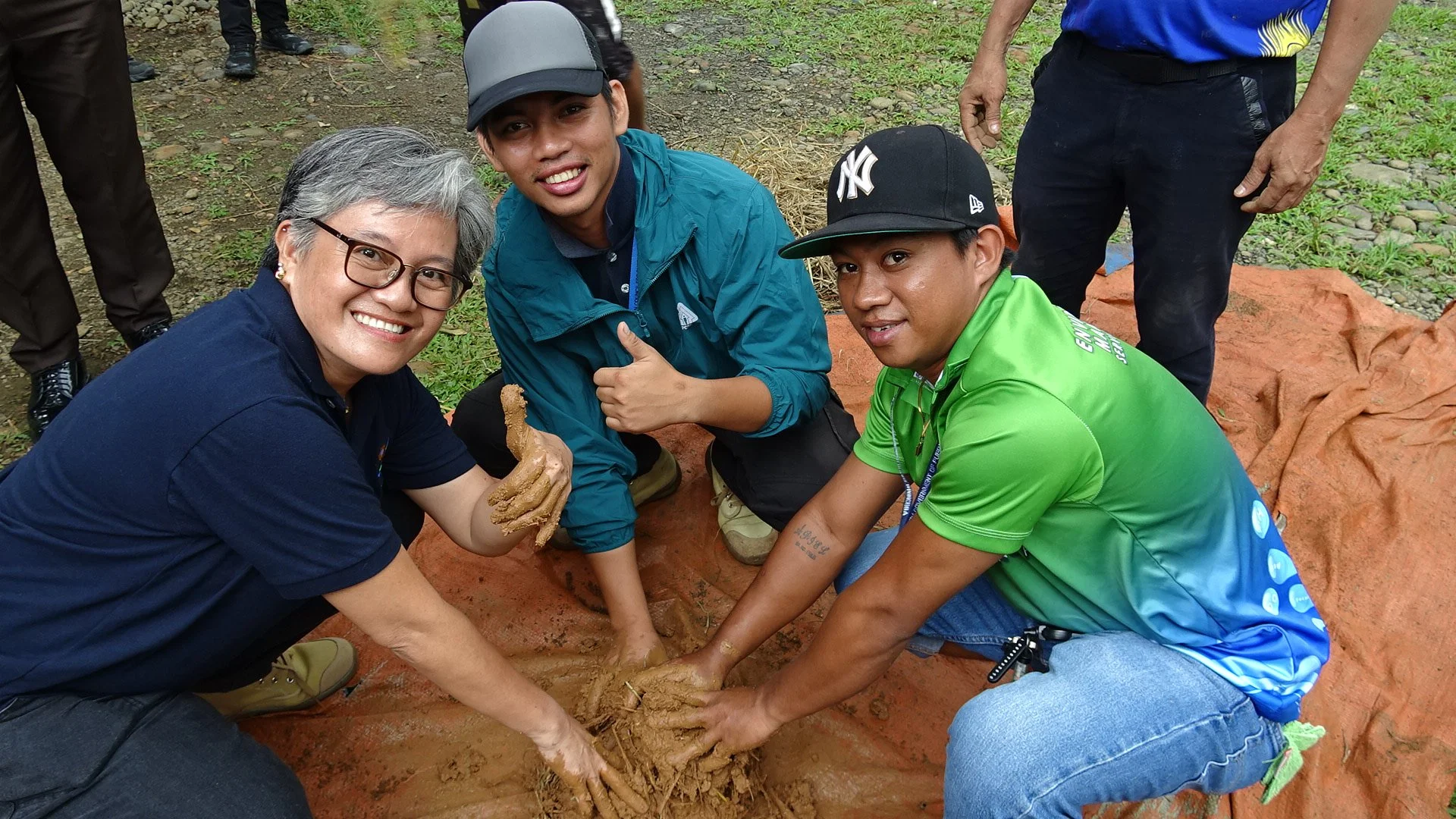
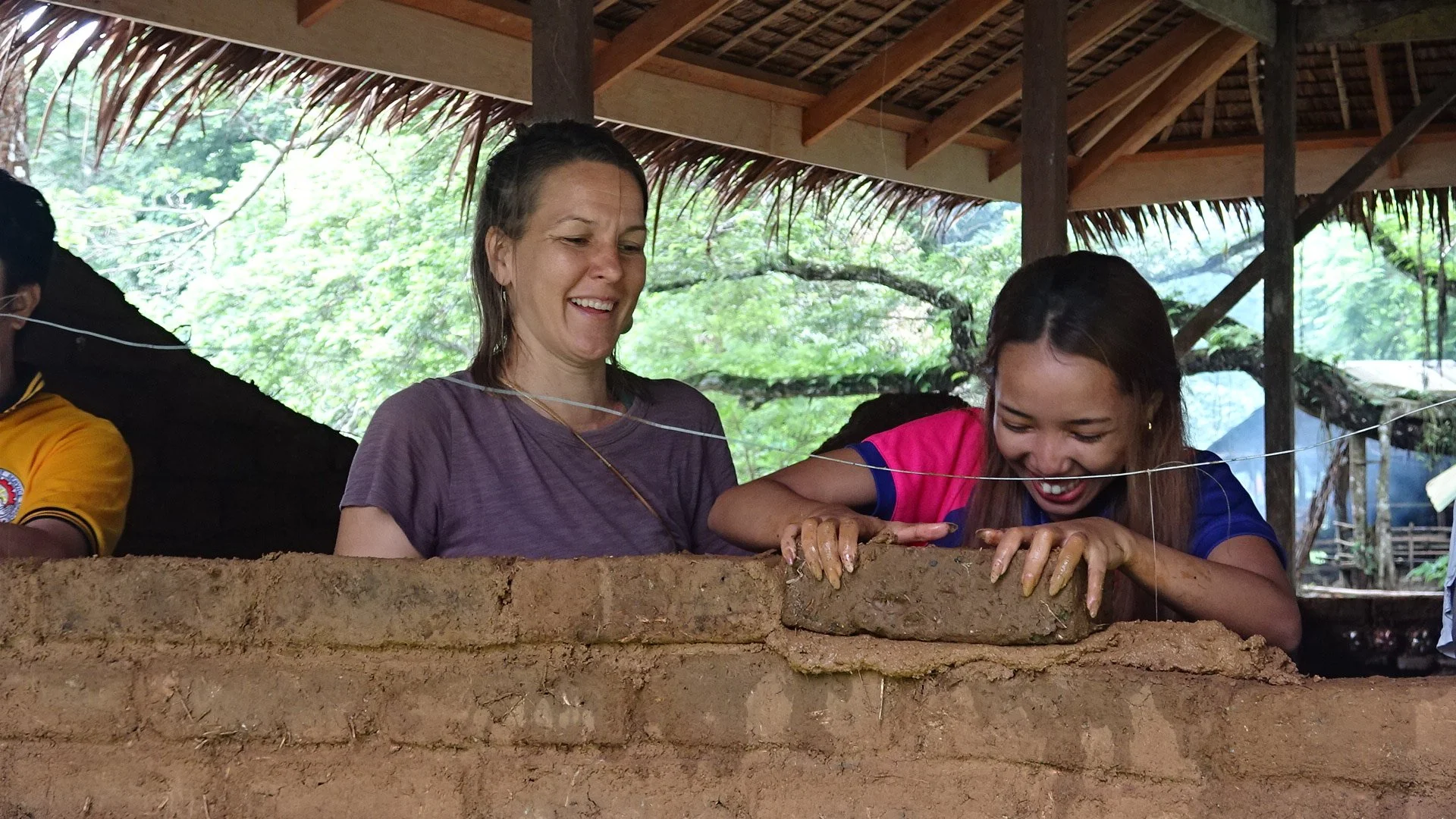
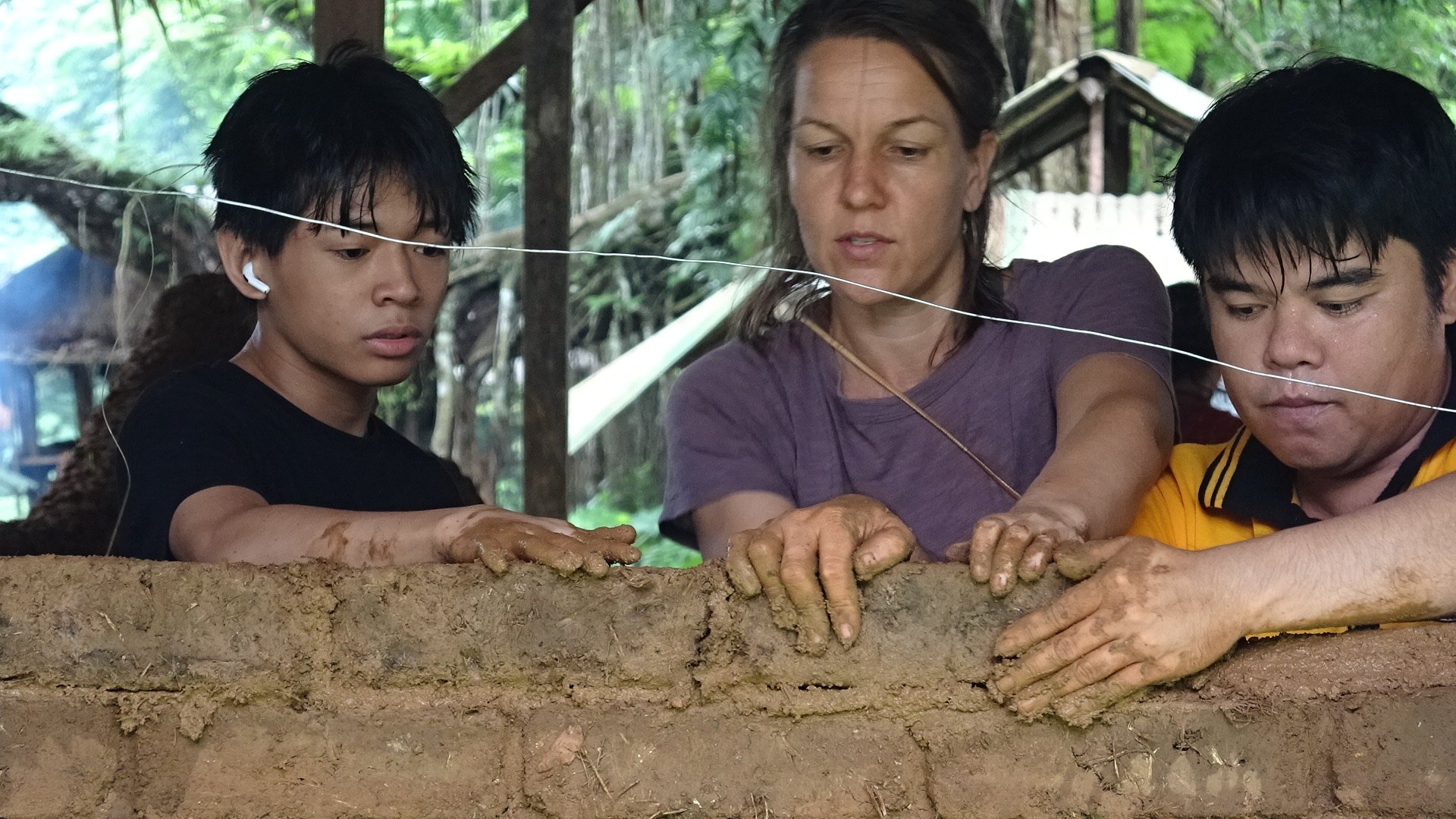
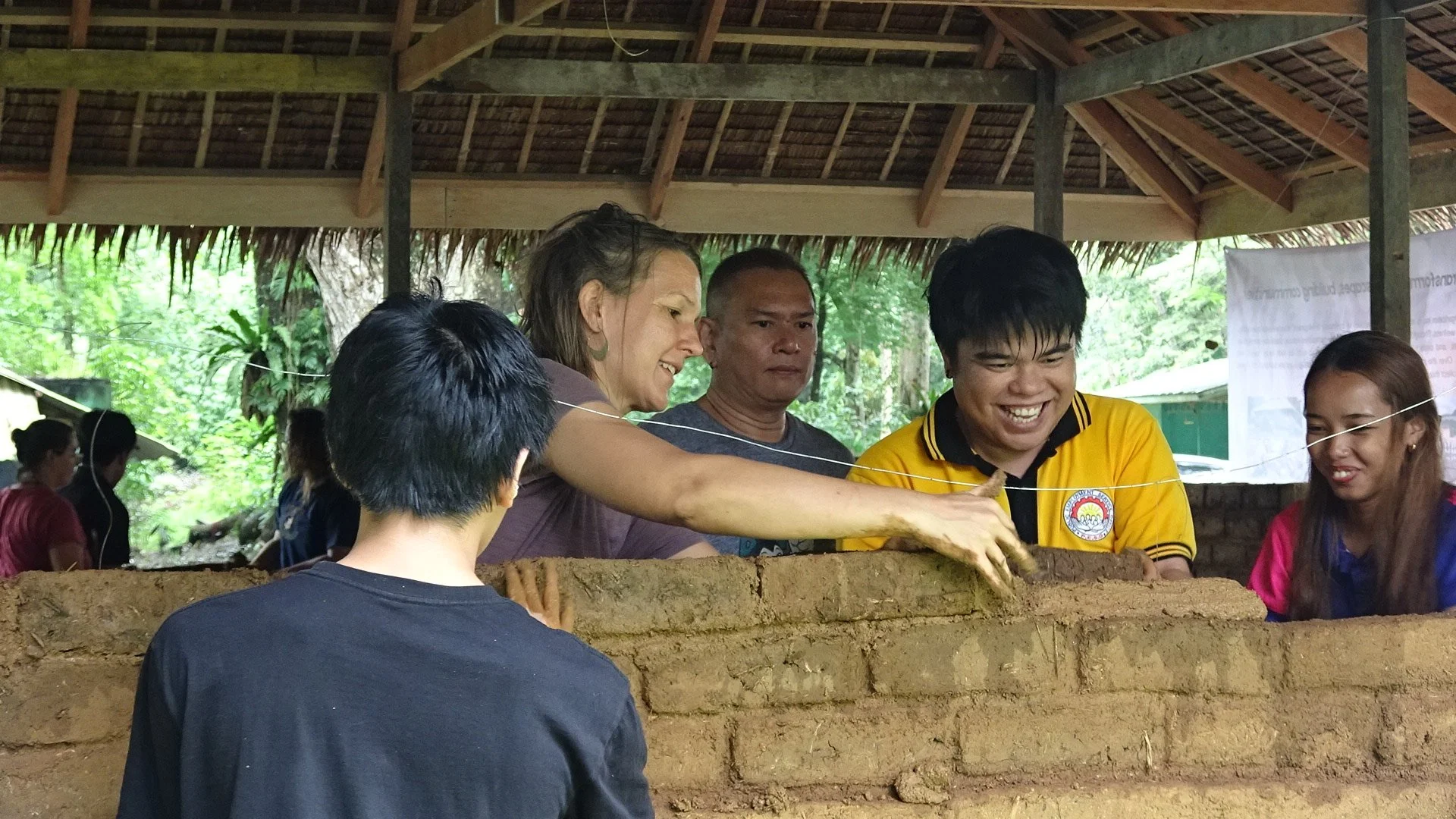
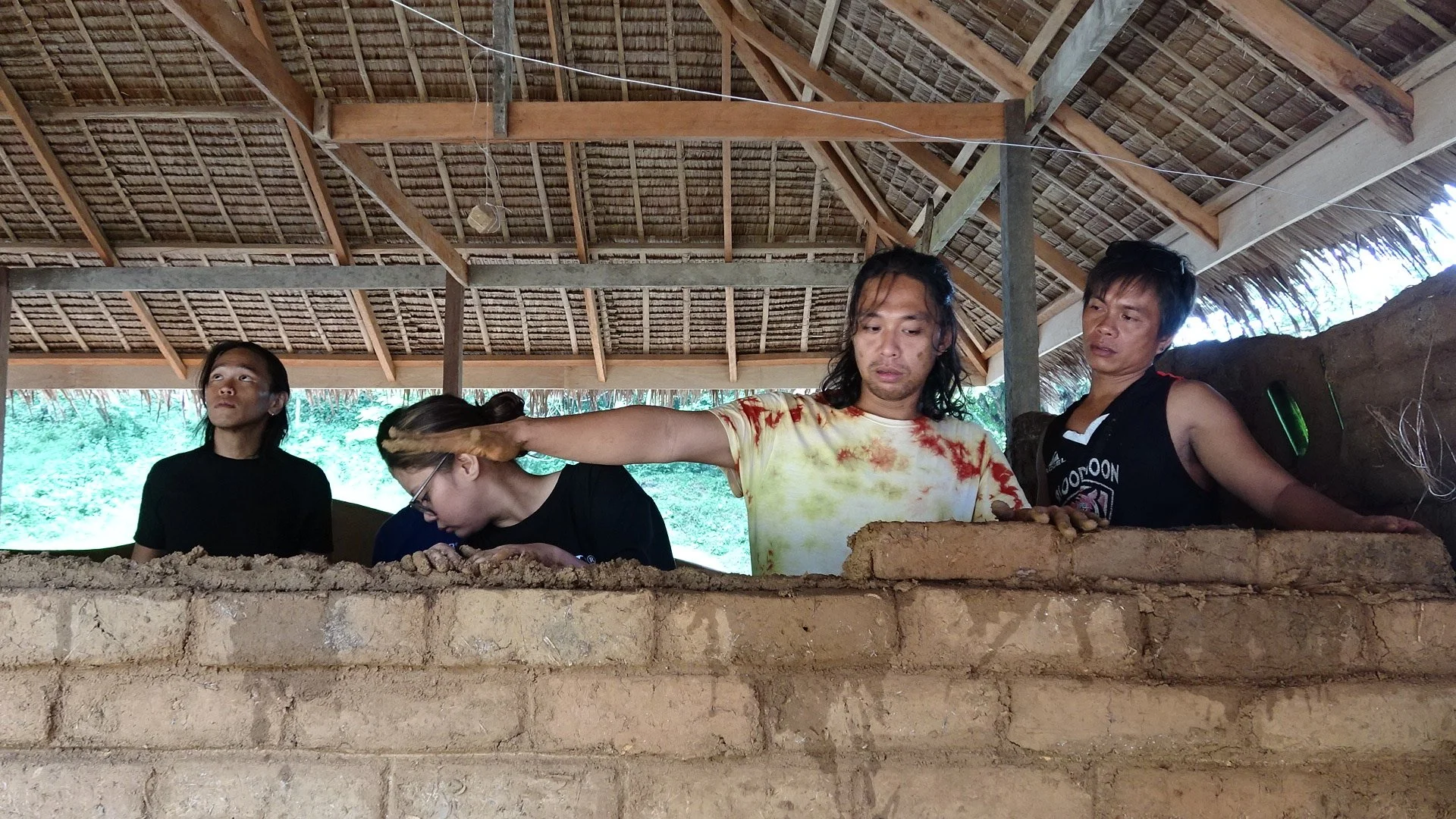
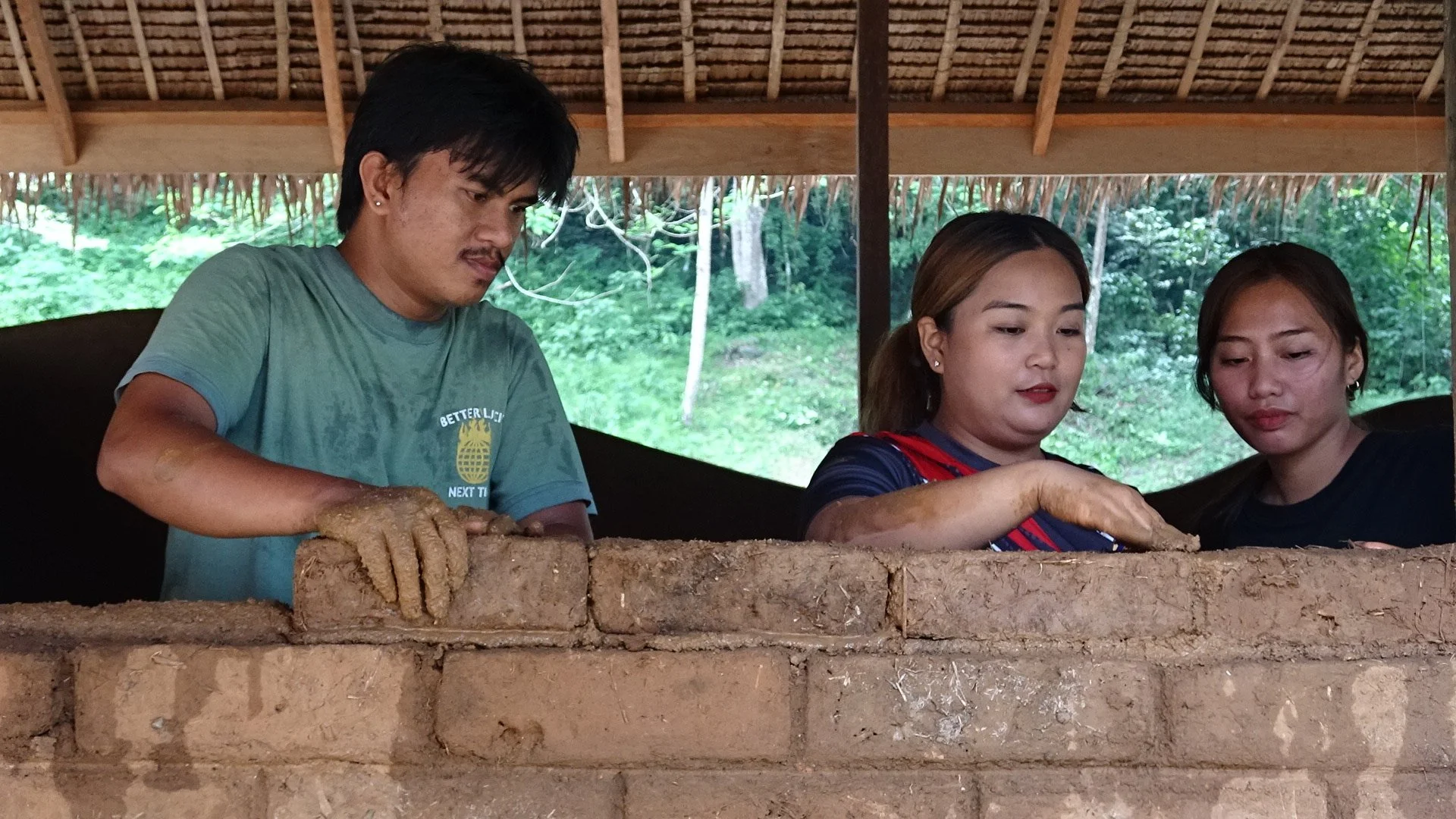
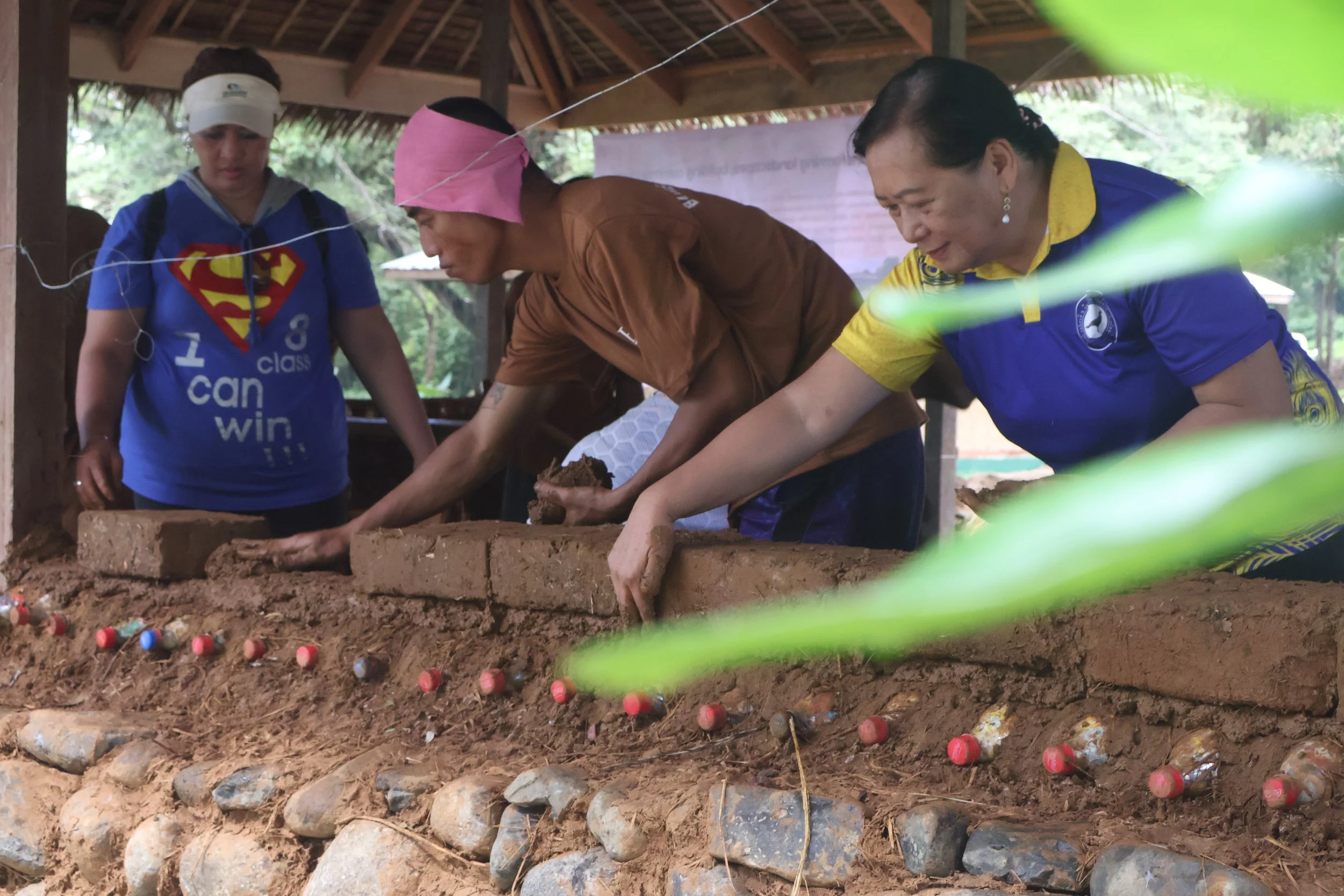
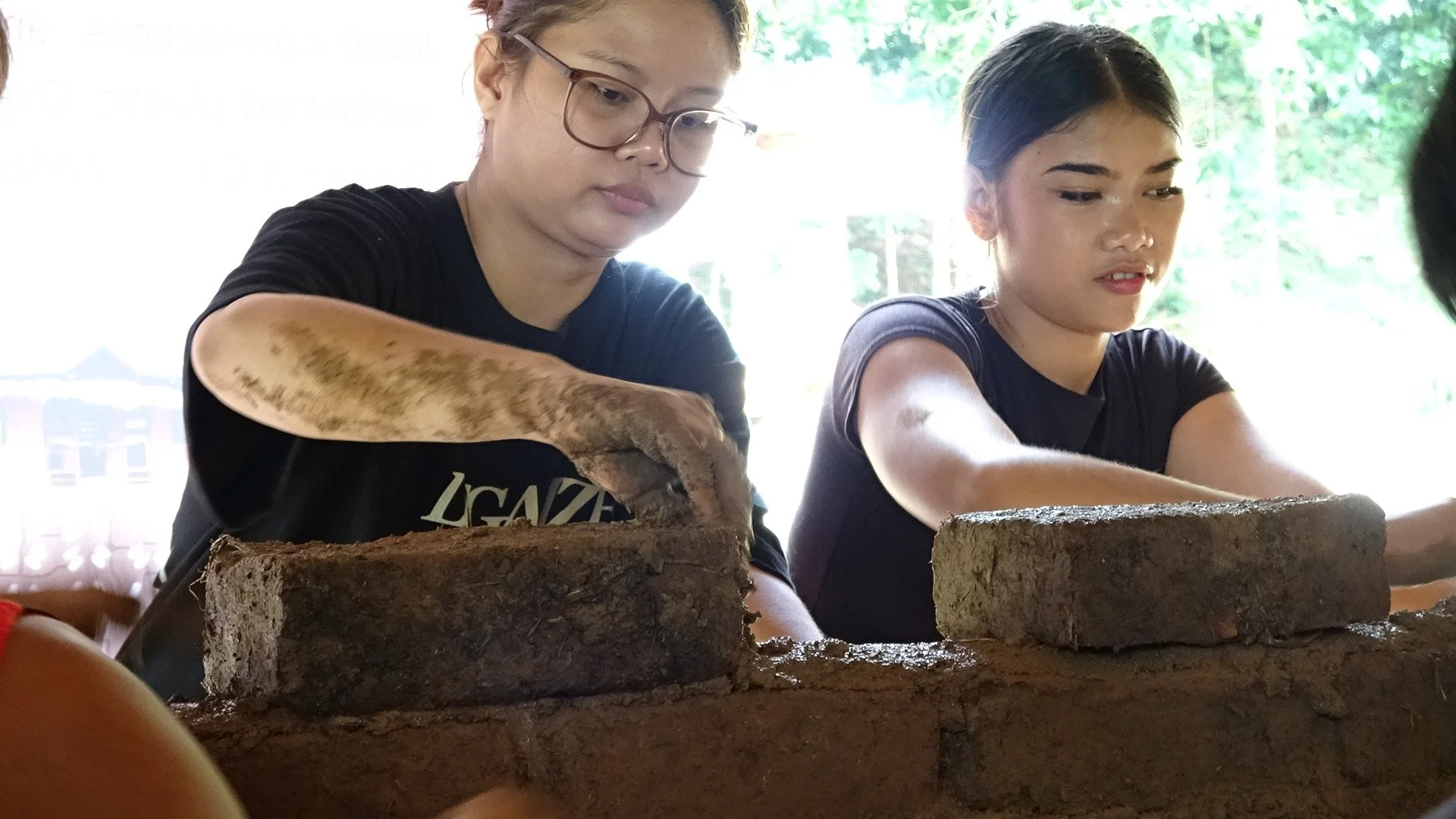
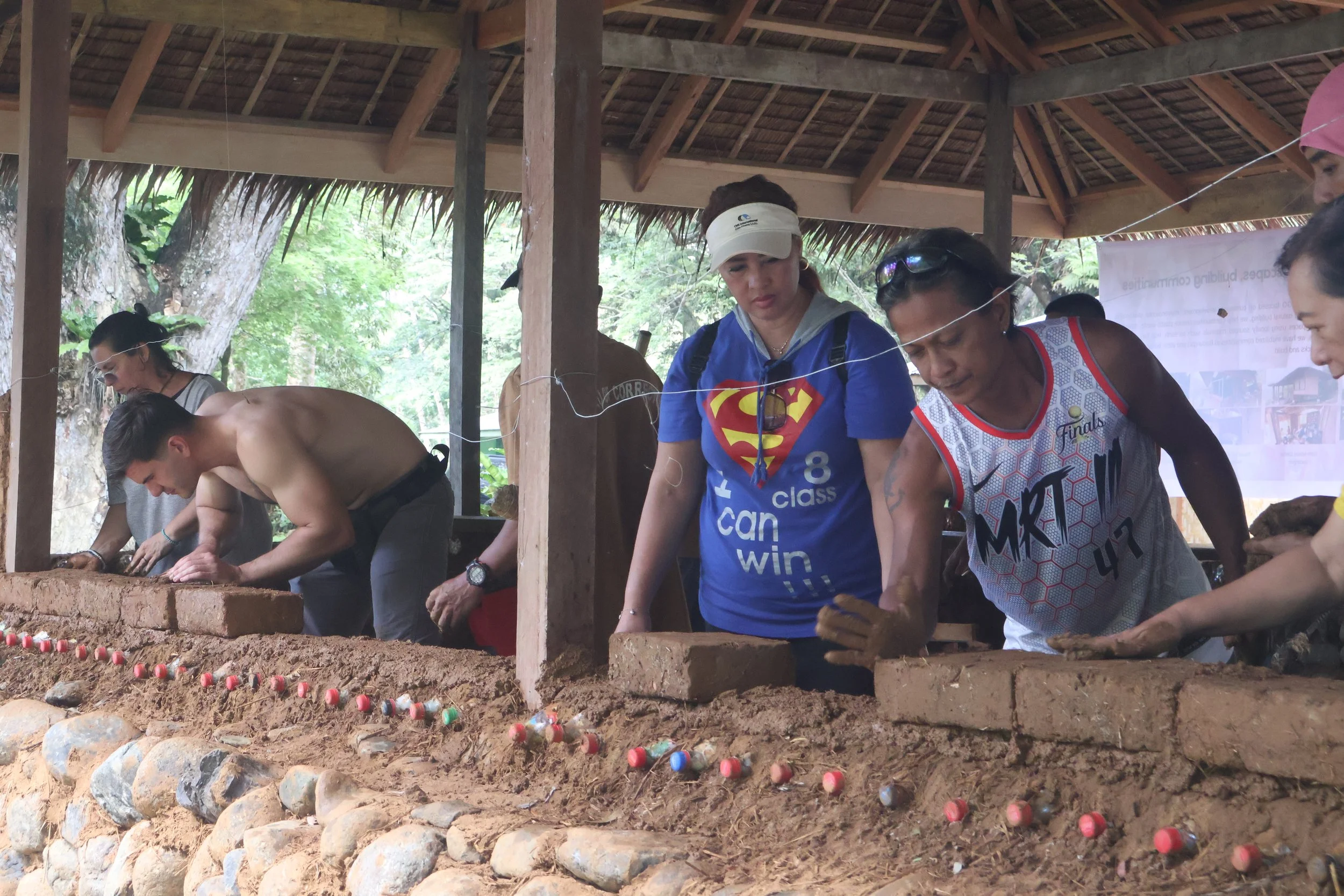
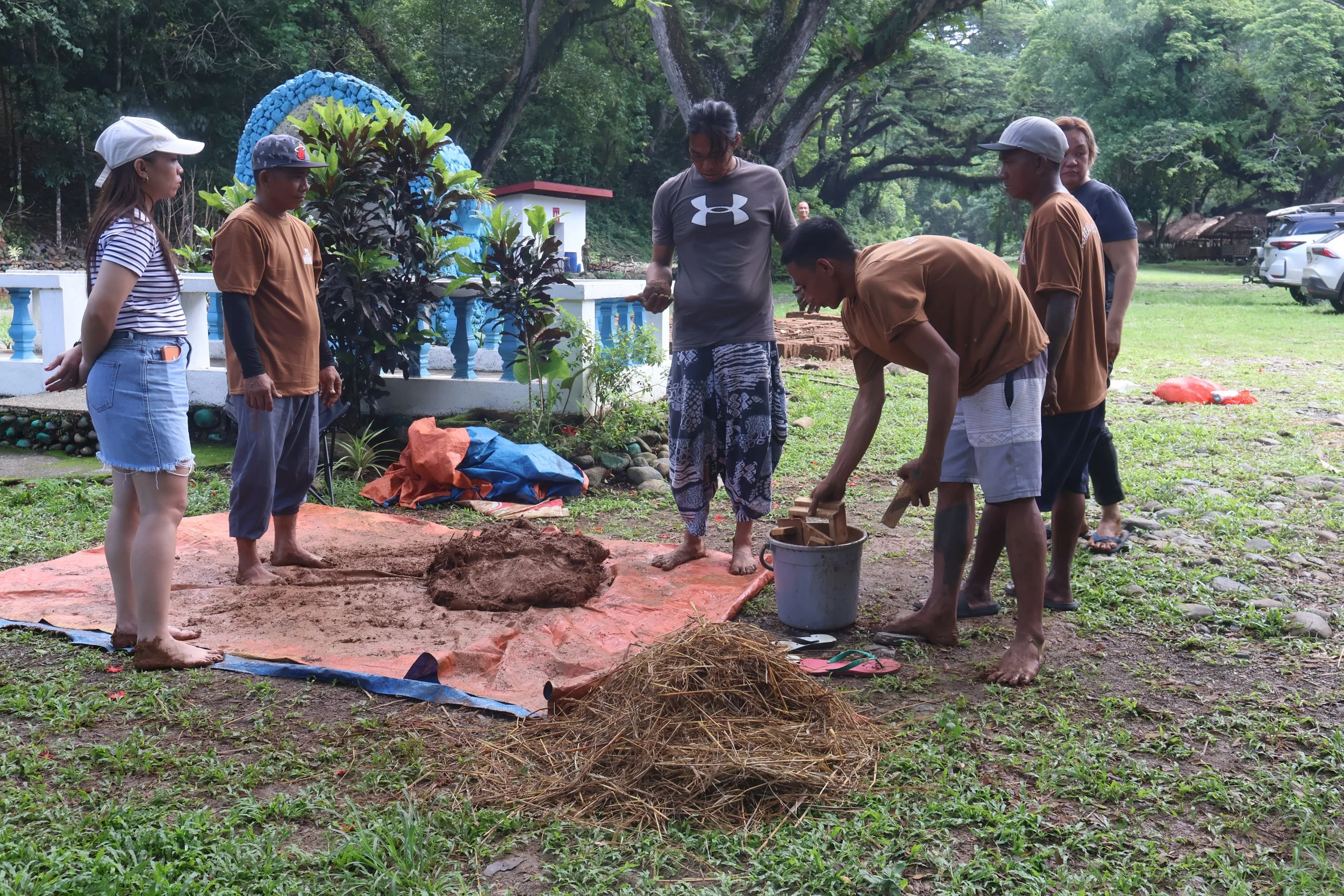
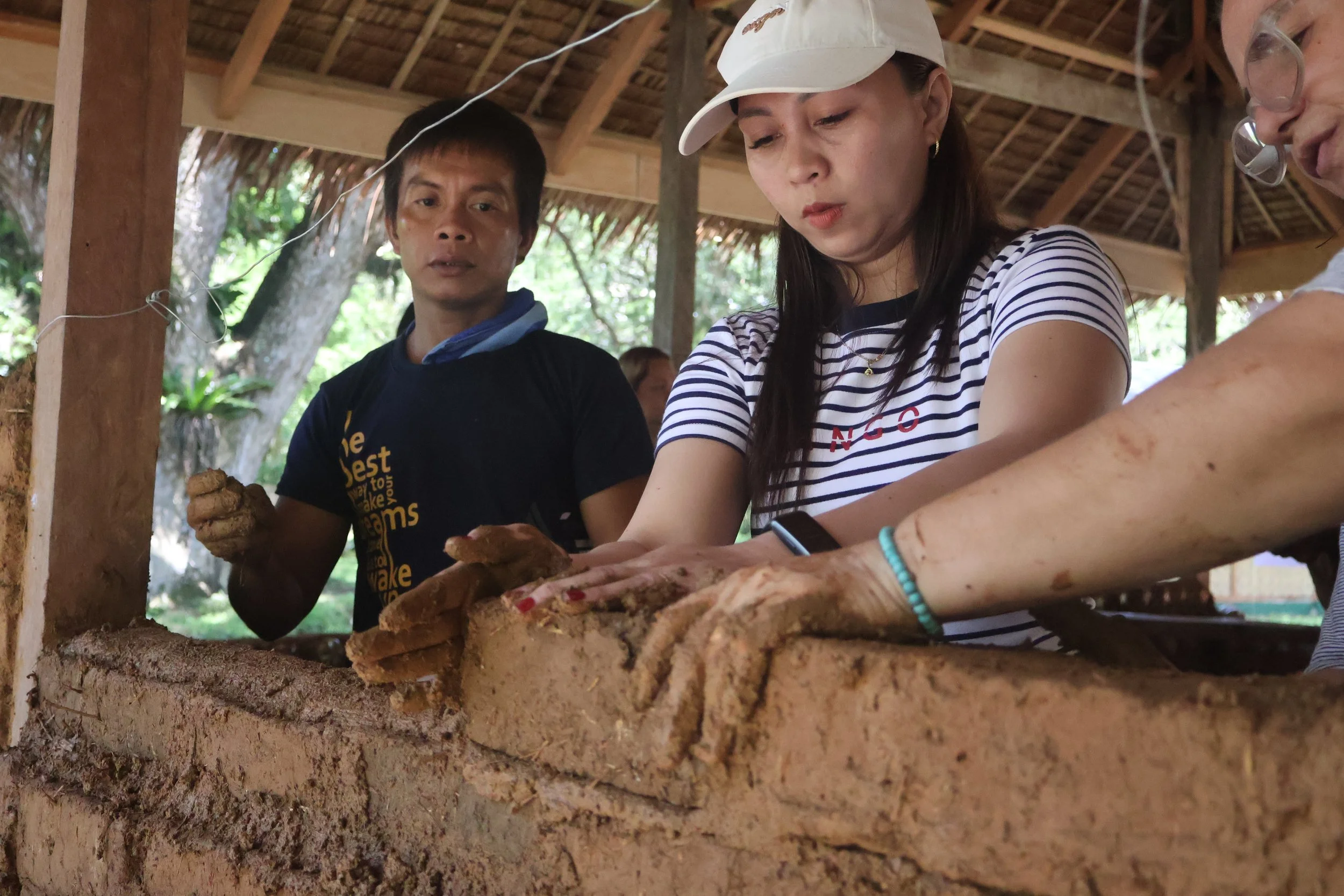
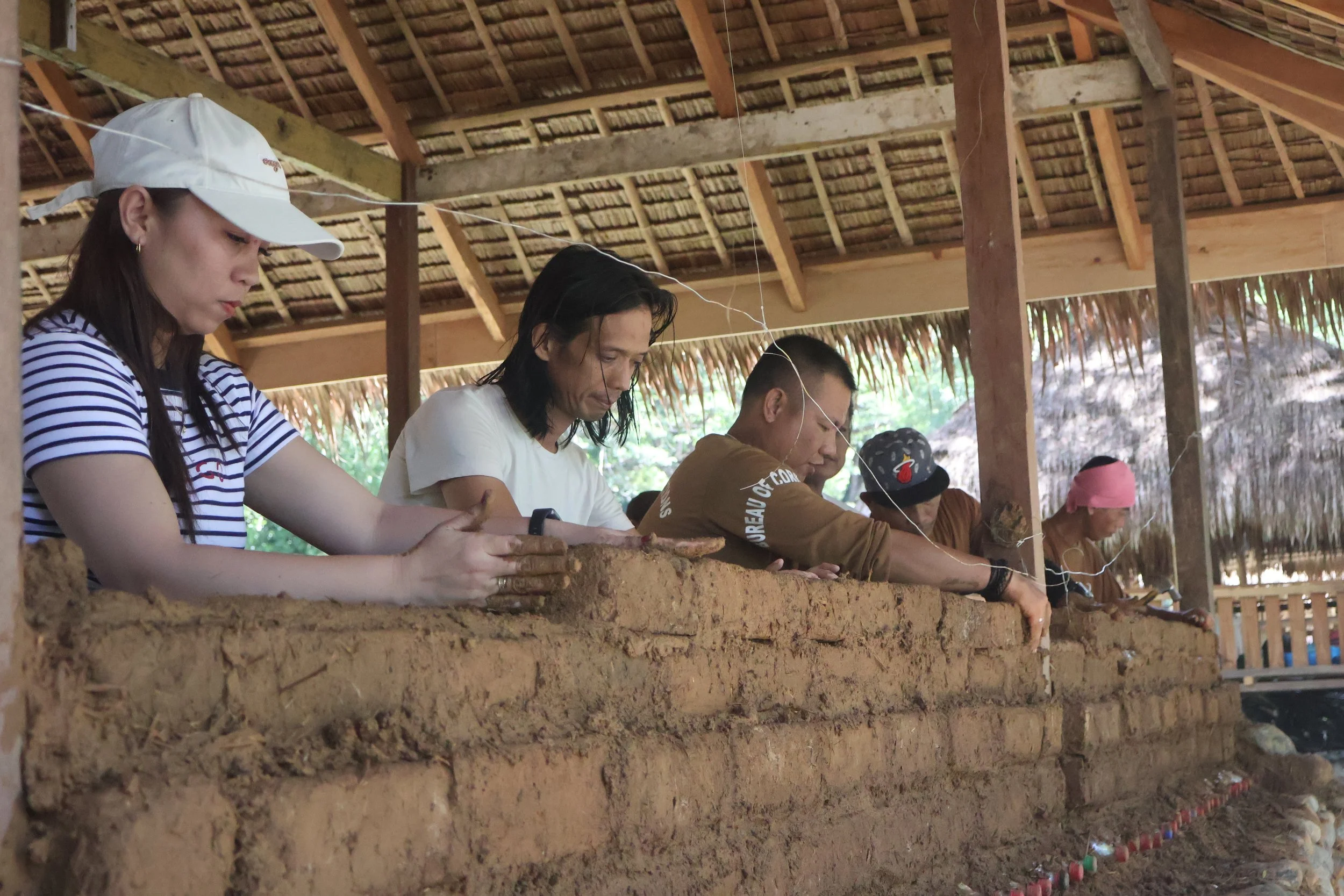
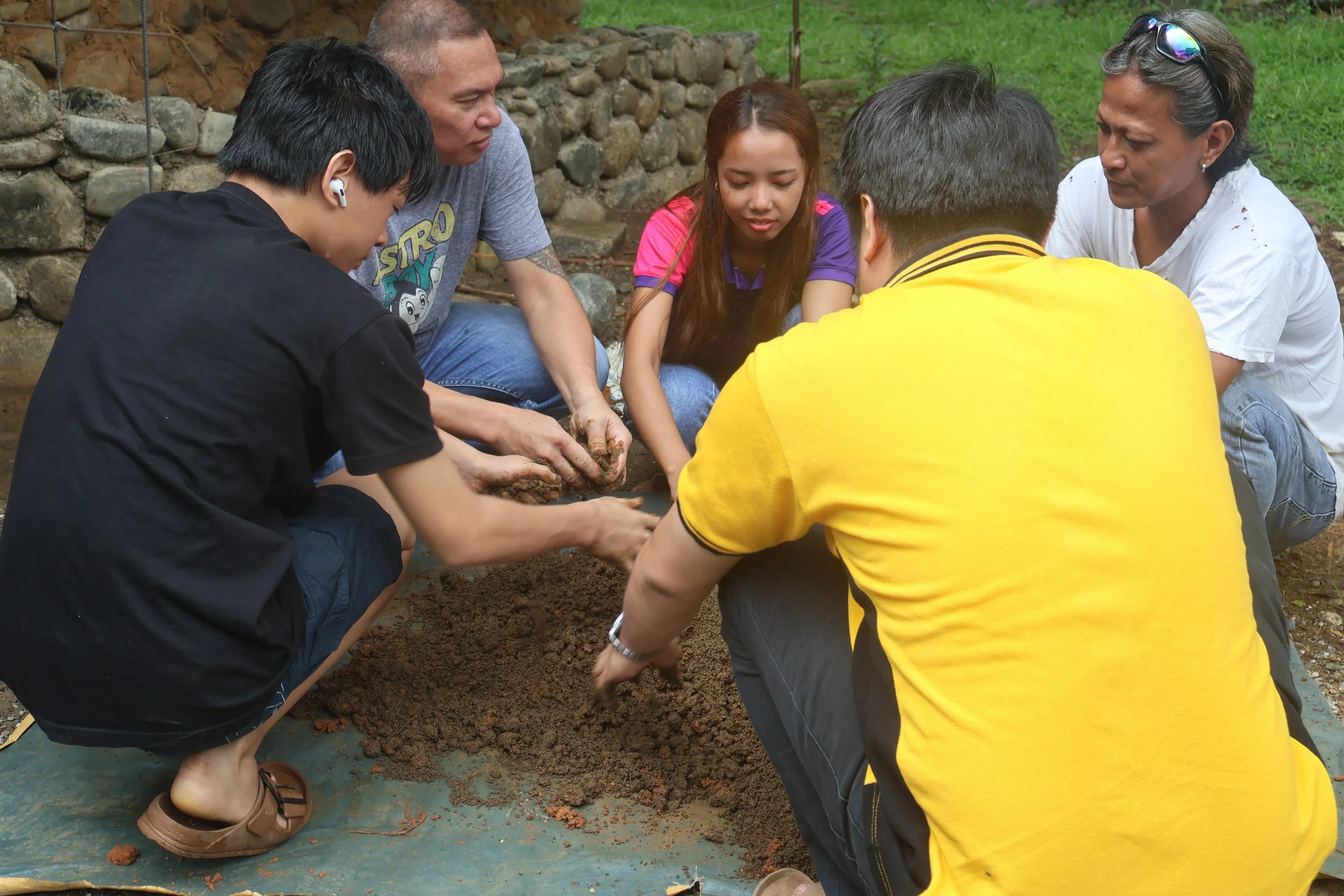
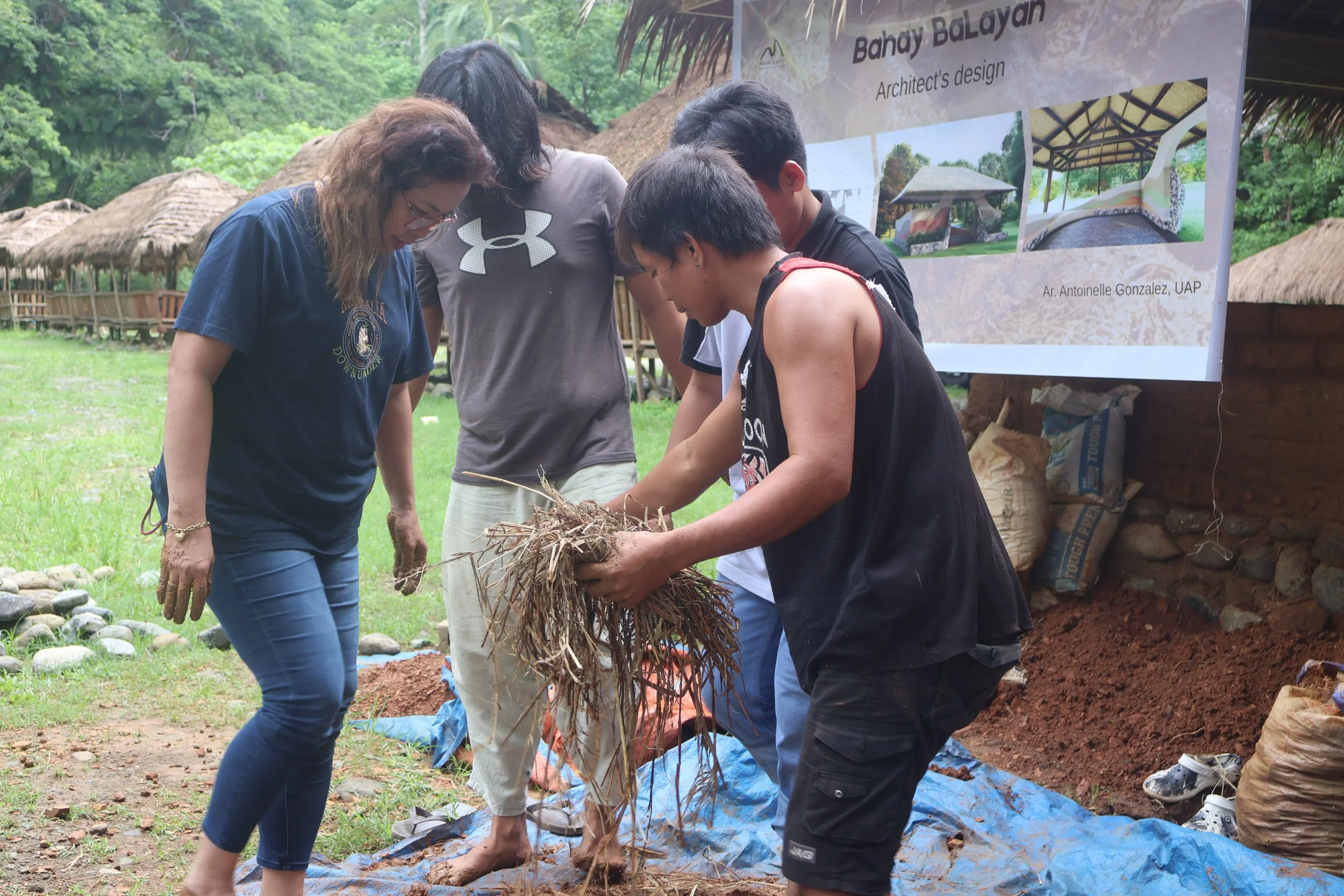
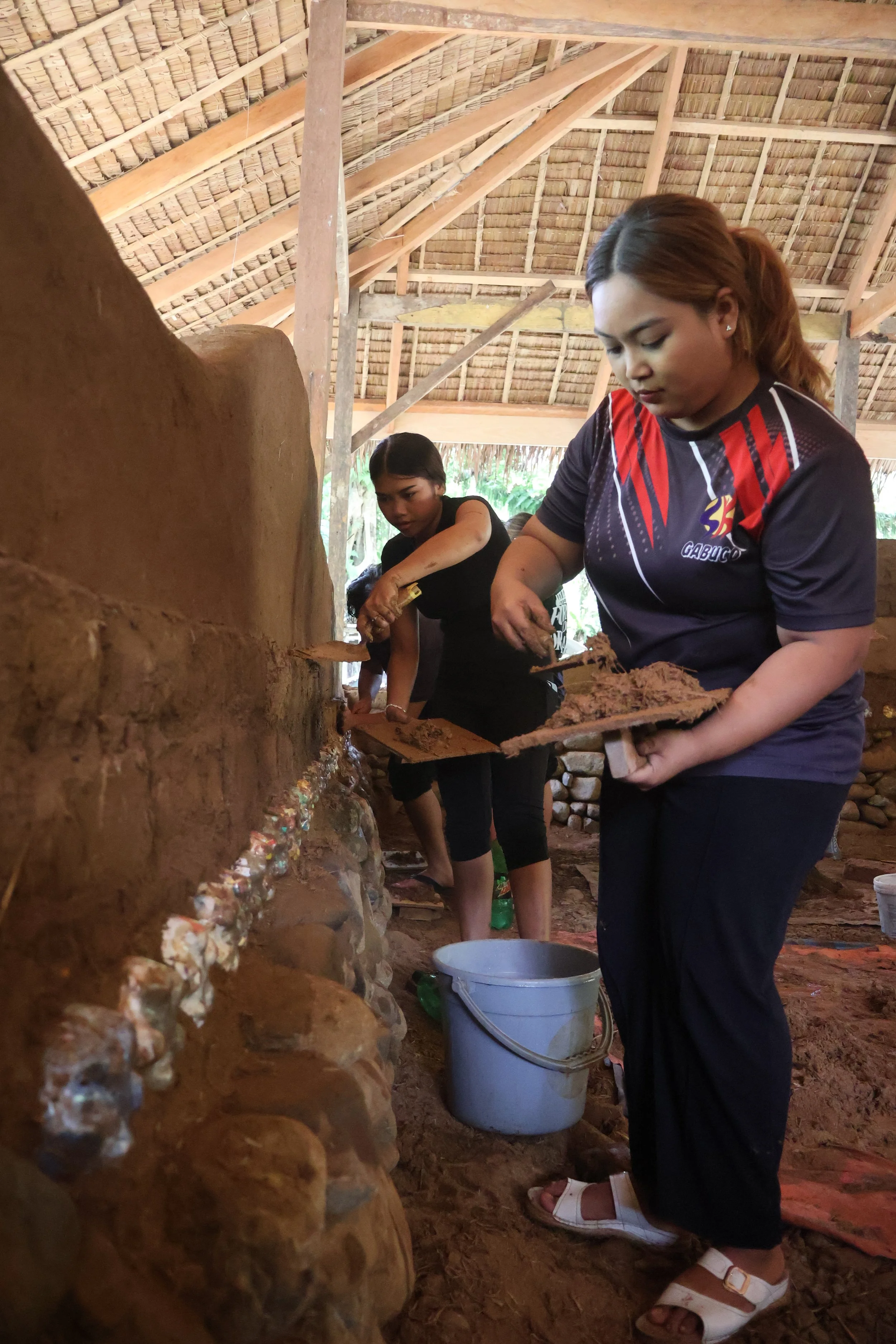
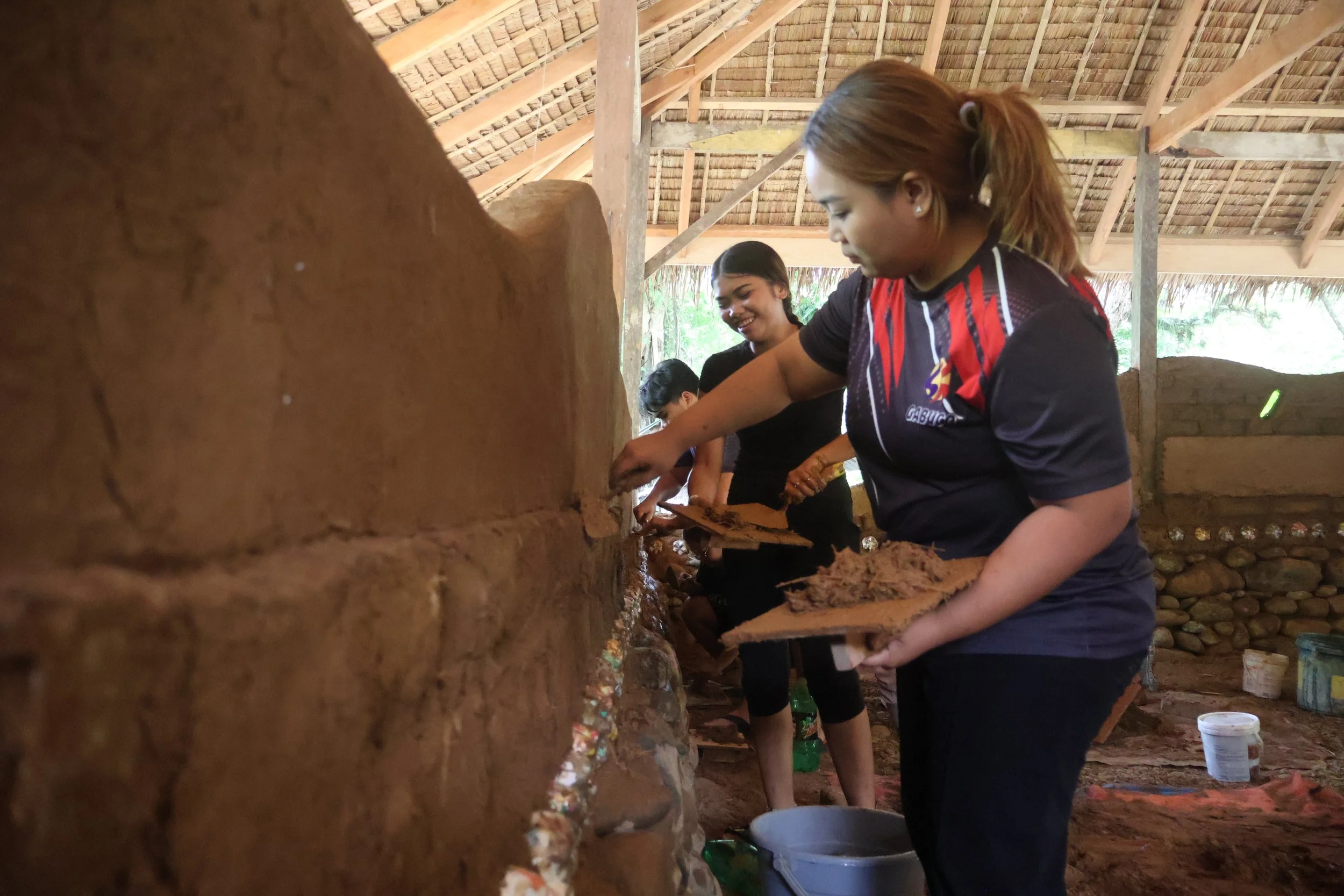
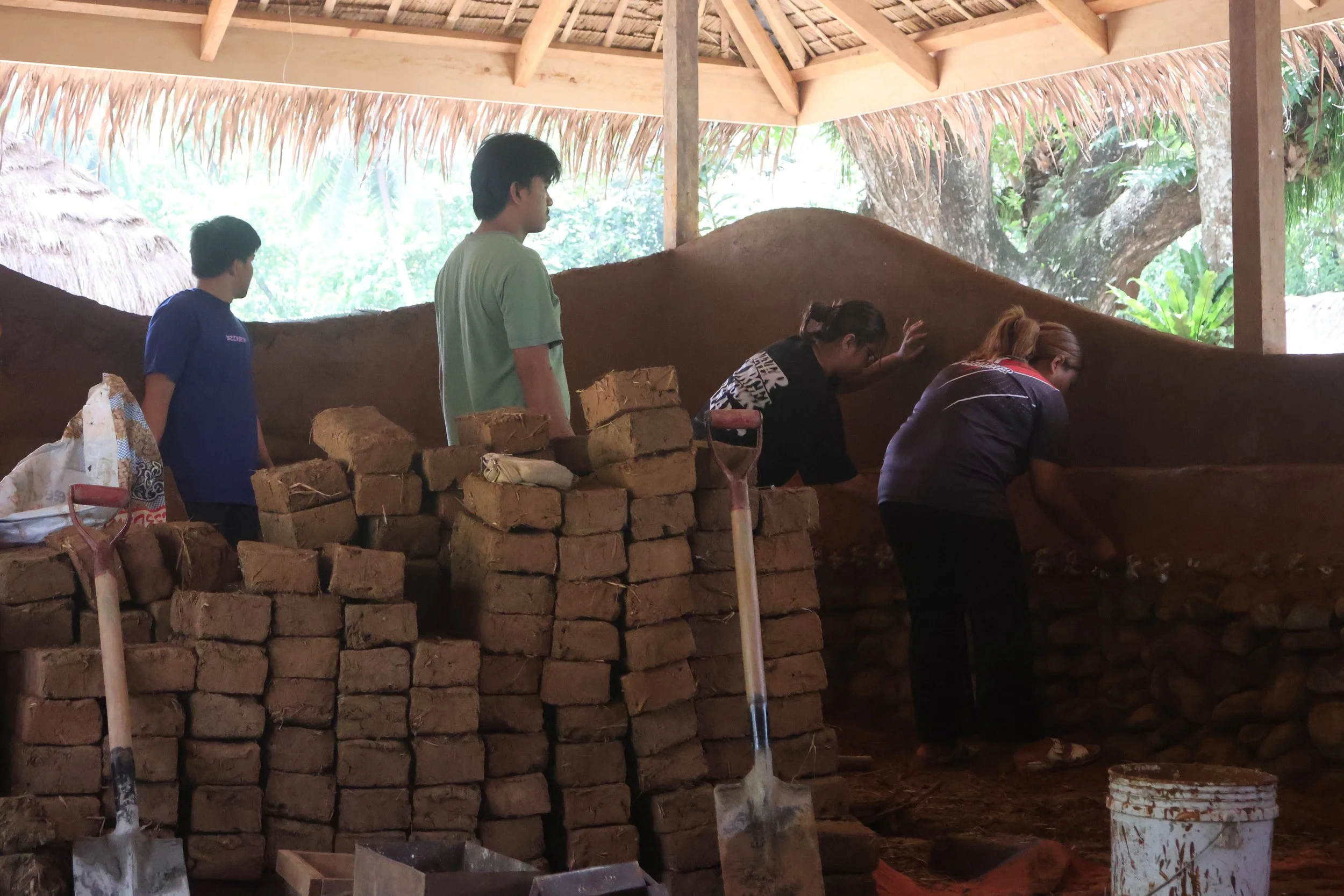
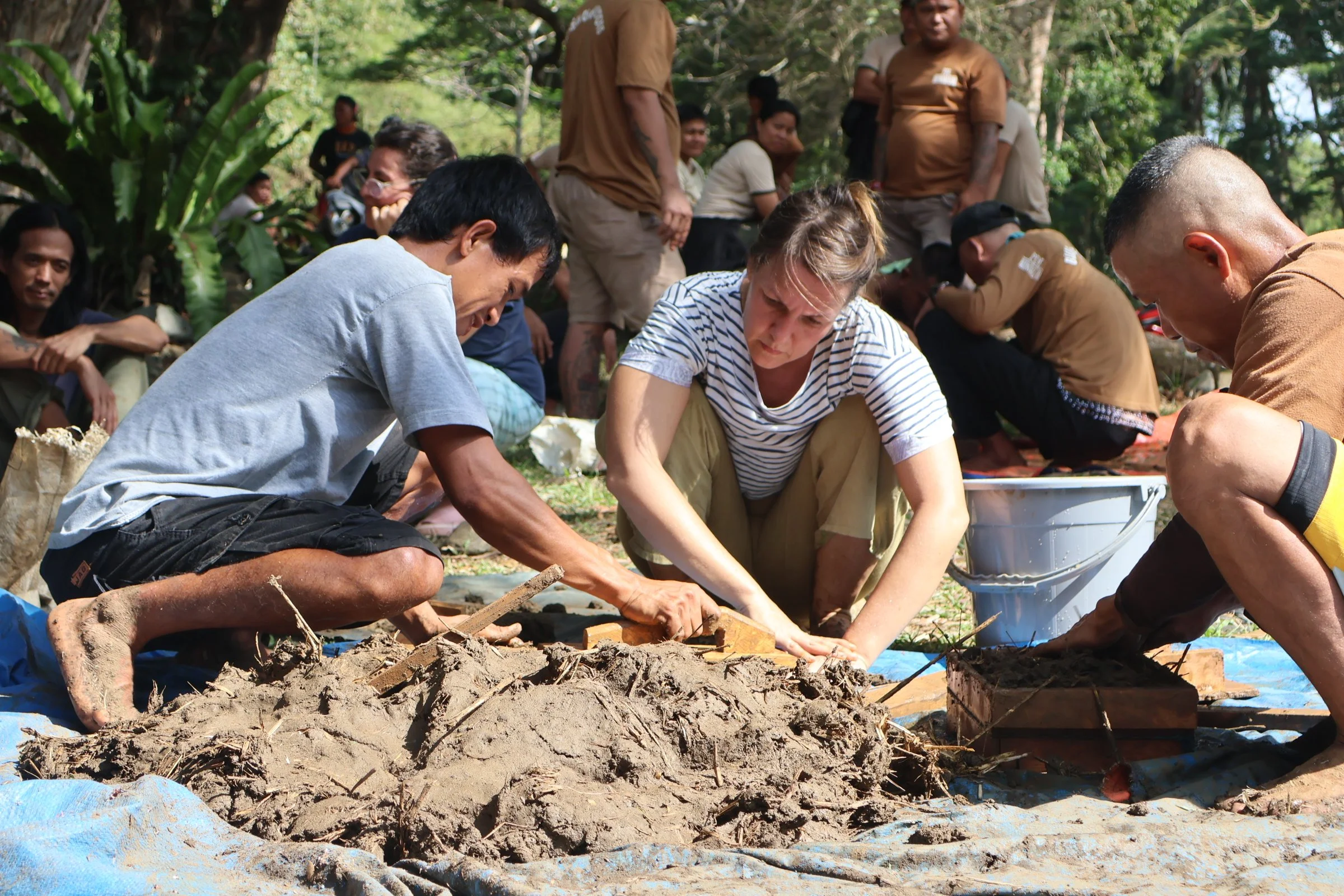
Built primarily using earth-based construction techniques, the project demonstrates the possibilities of working with materials that already exist within the surrounding landscape. Soil from the site, stones gathered from nearby riverbeds, river water, rice straw cultivated within the prison farm, and ecobricks all form part of the construction. Each material reflects a broader commitment to building with local resources while reducing environmental impact and strengthening connections between people and place.
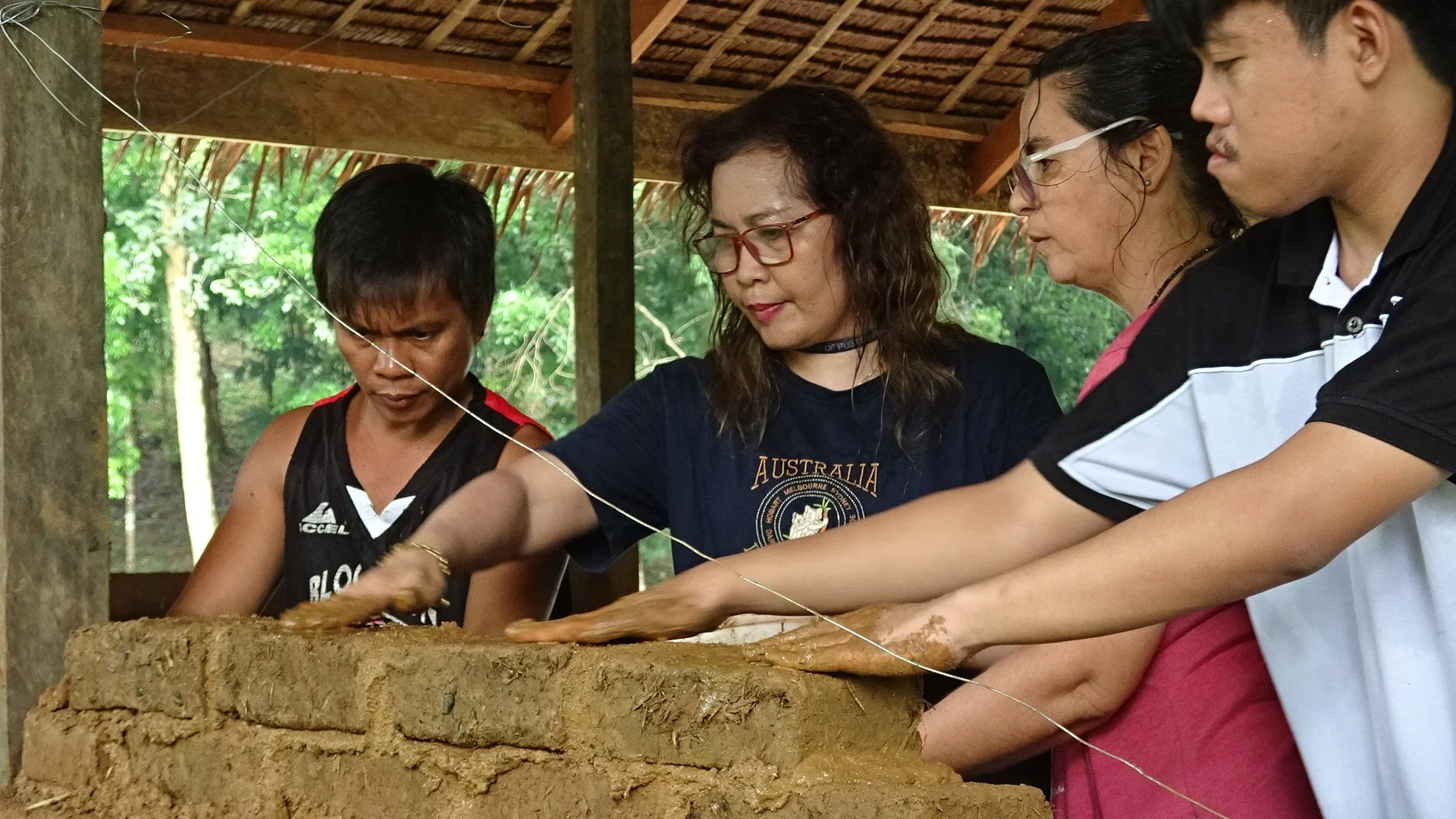
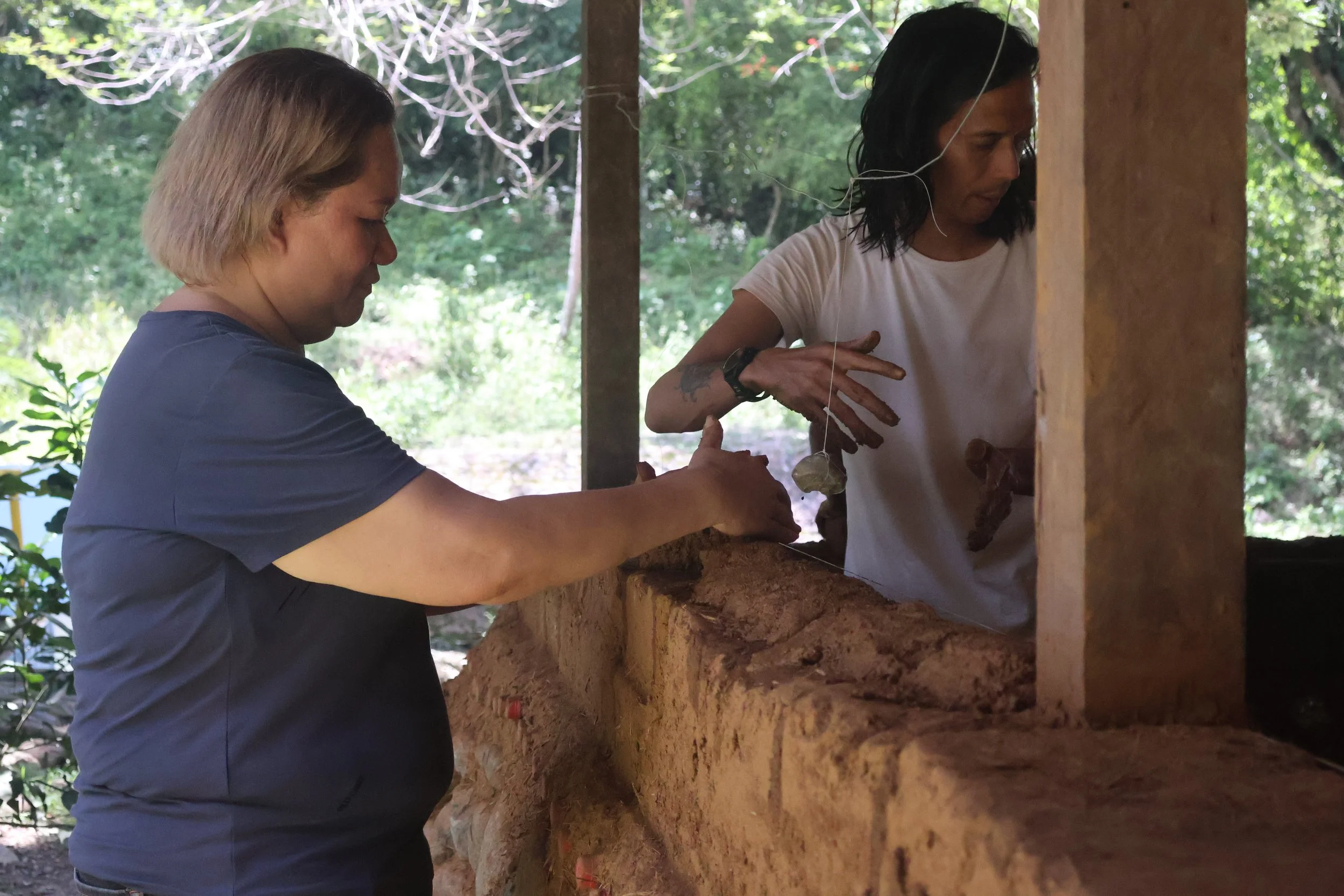
The construction itself is also becoming a place of learning. Persons deprived of liberty (PDLs) are participating as active members of the construction team, learning natural building techniques alongside Maia Earth's builders and collaborating with experienced practitioners in earth-based construction. Through shared work and everyday practice, the project creates opportunities for practical skills to develop collectively, recognizing knowledge as something that grows through participation rather than instruction alone.
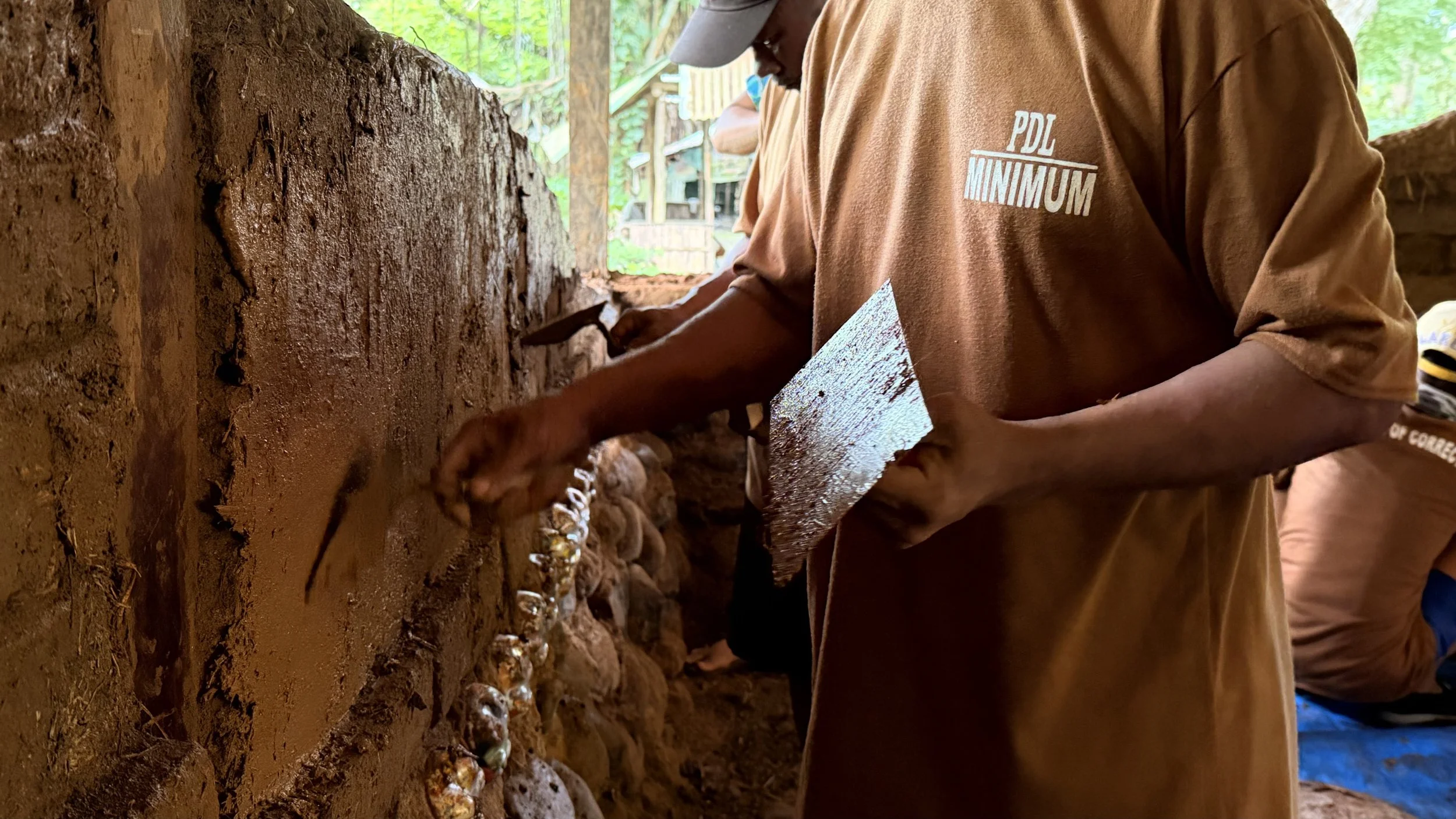
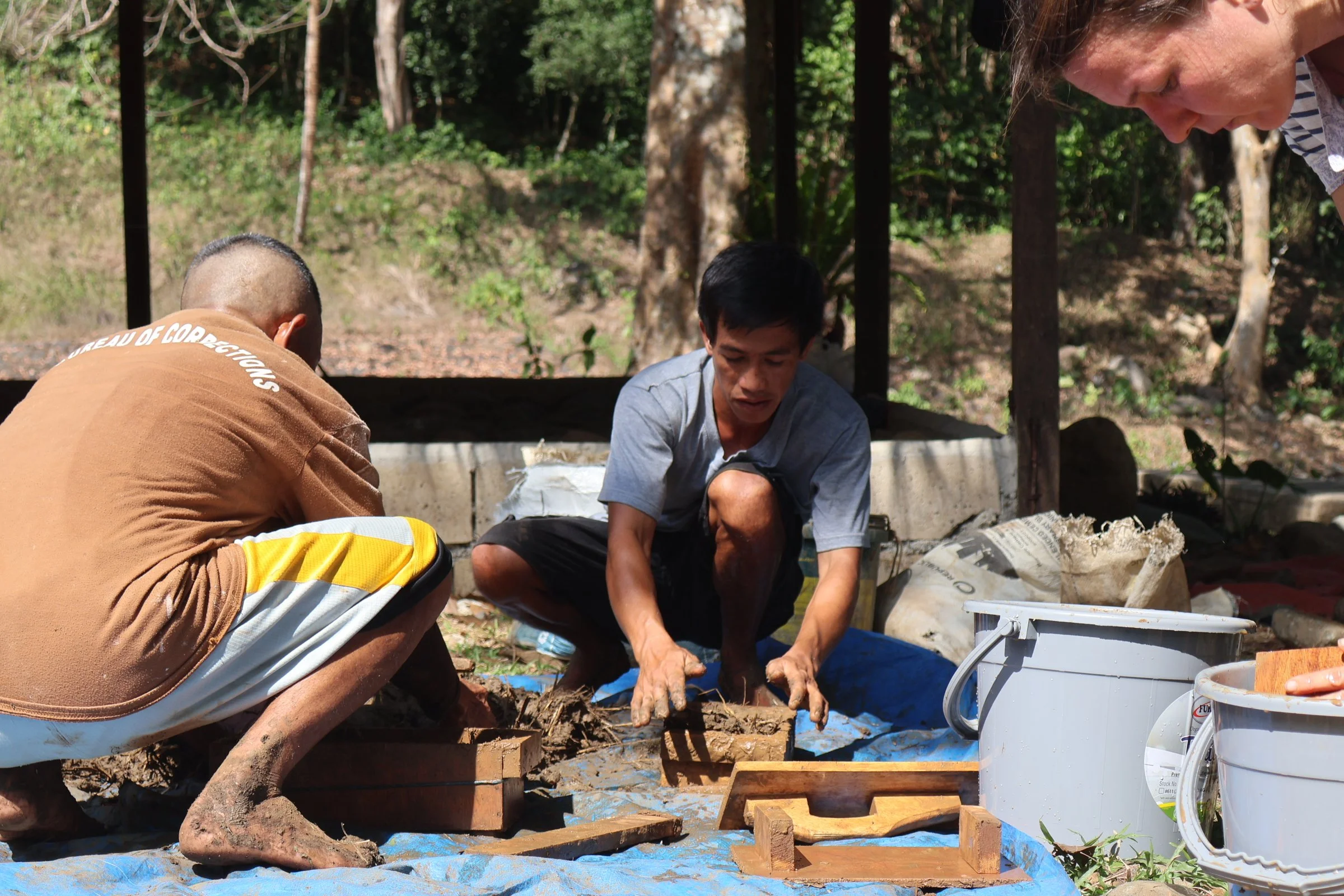
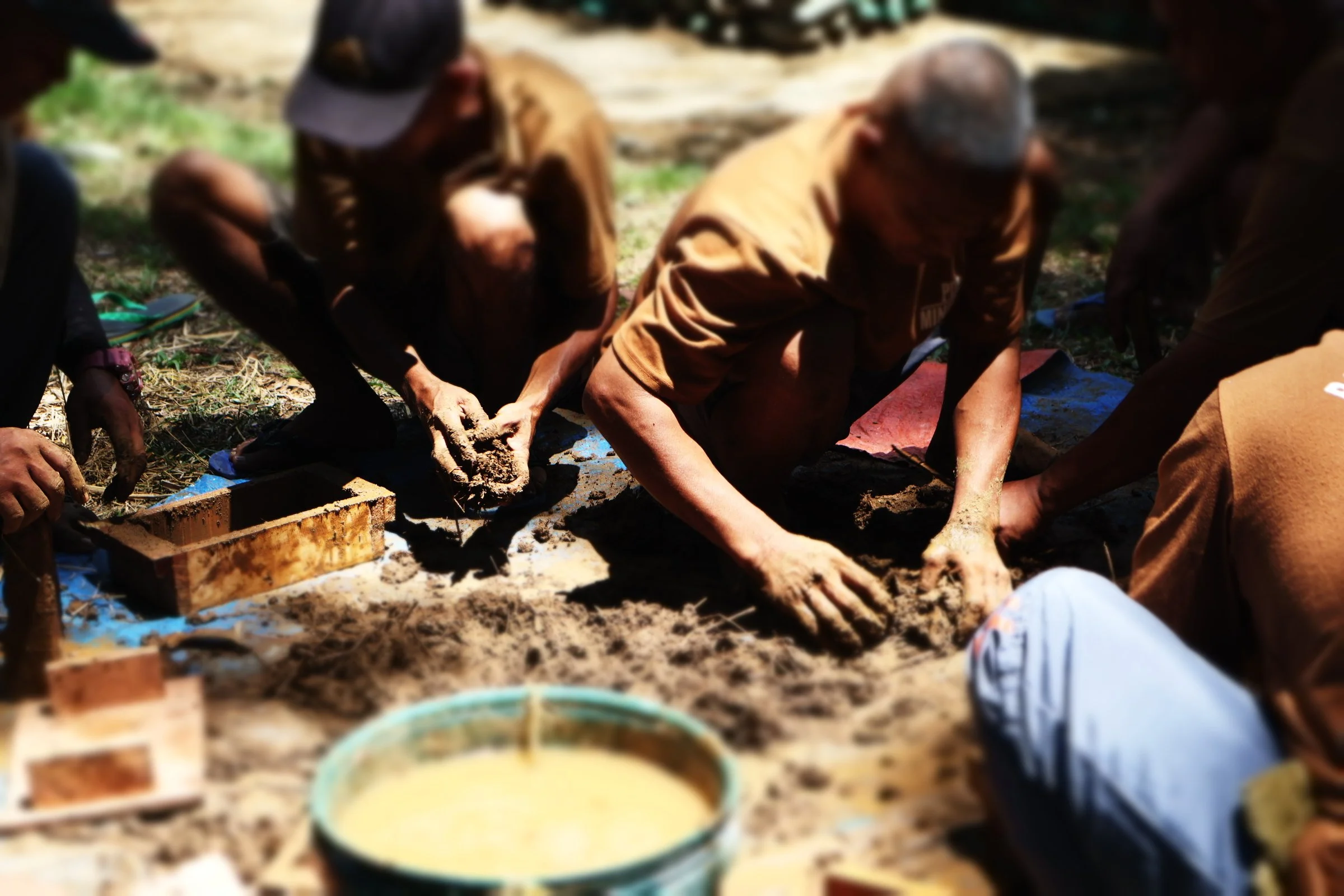
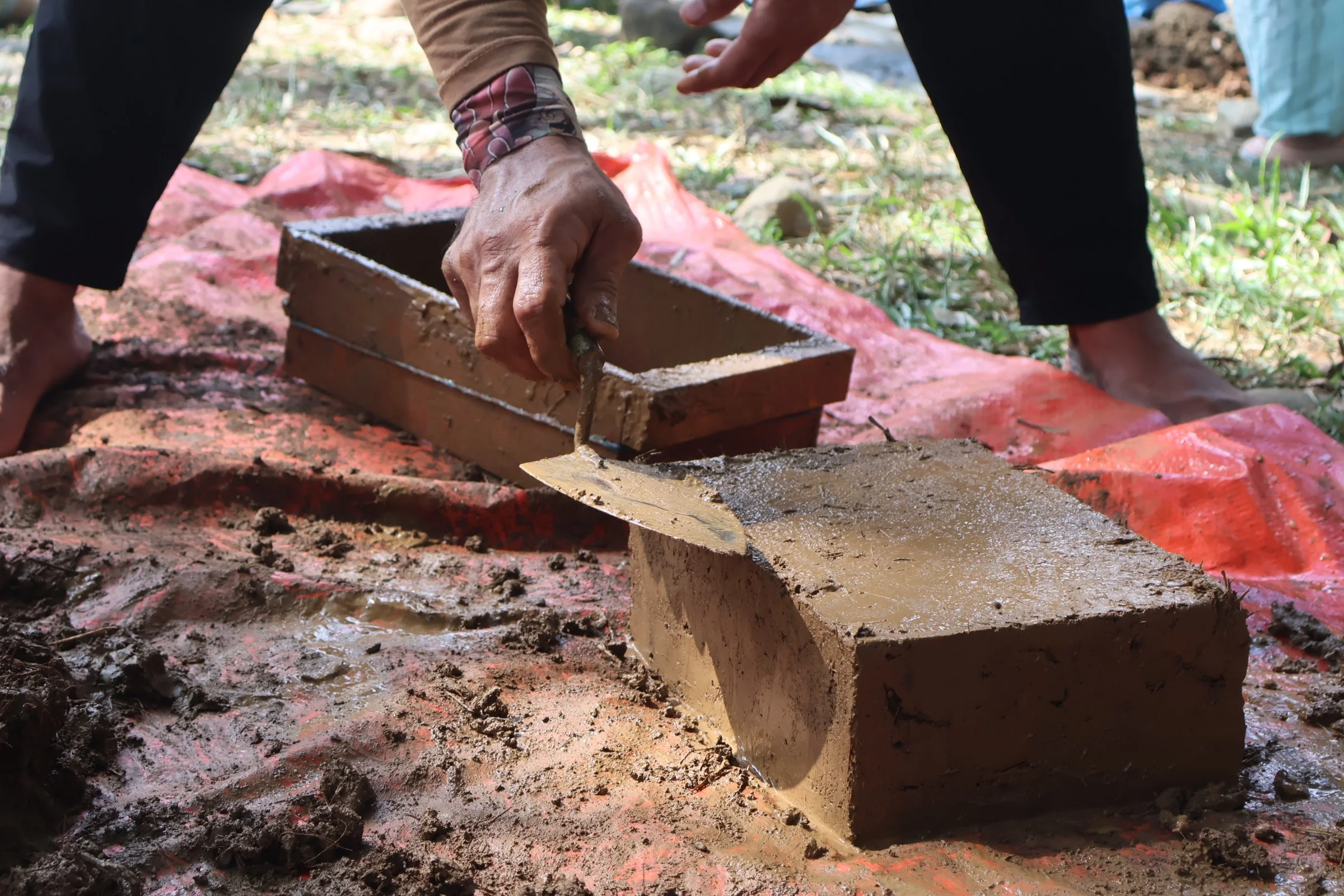
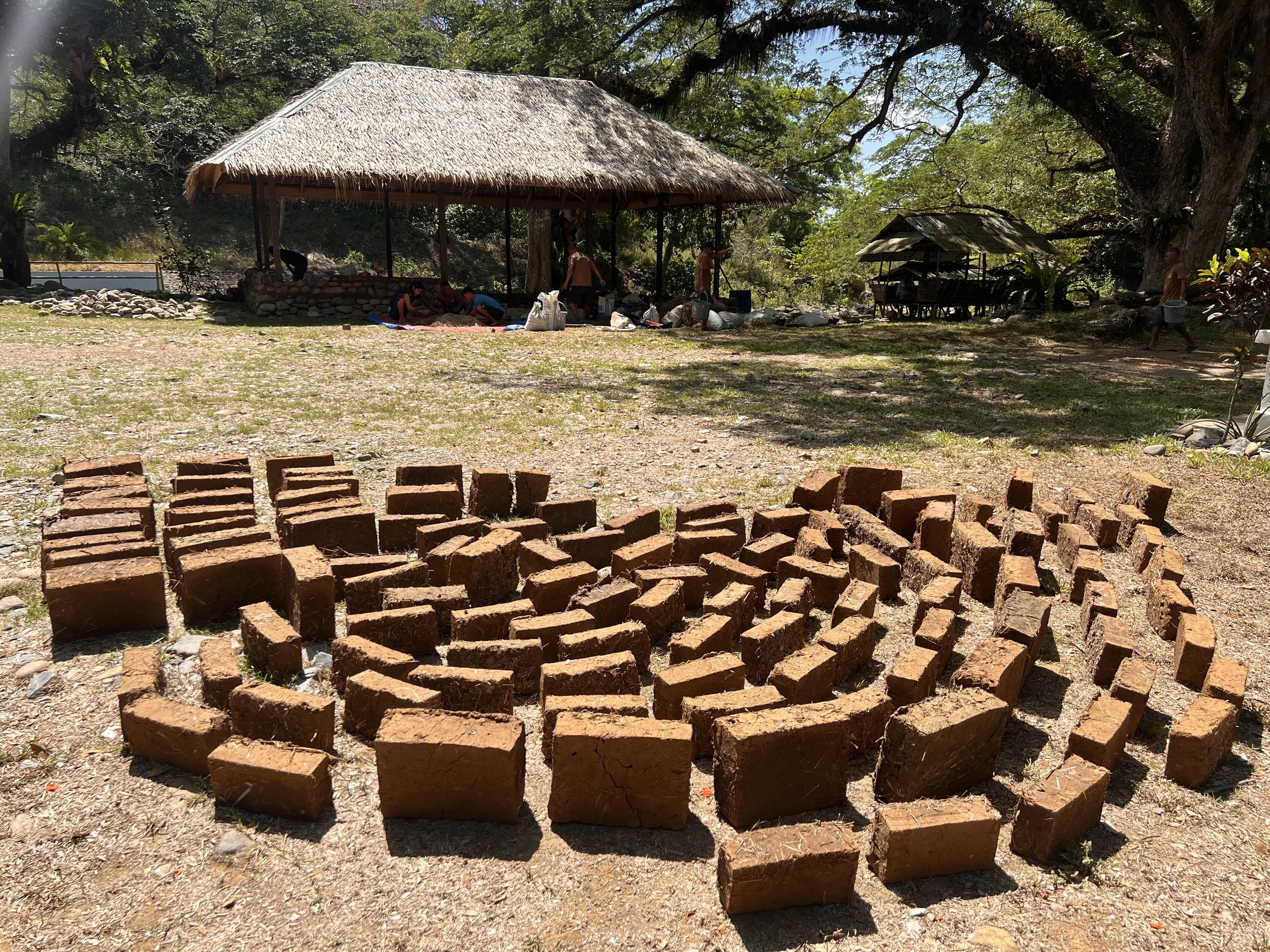
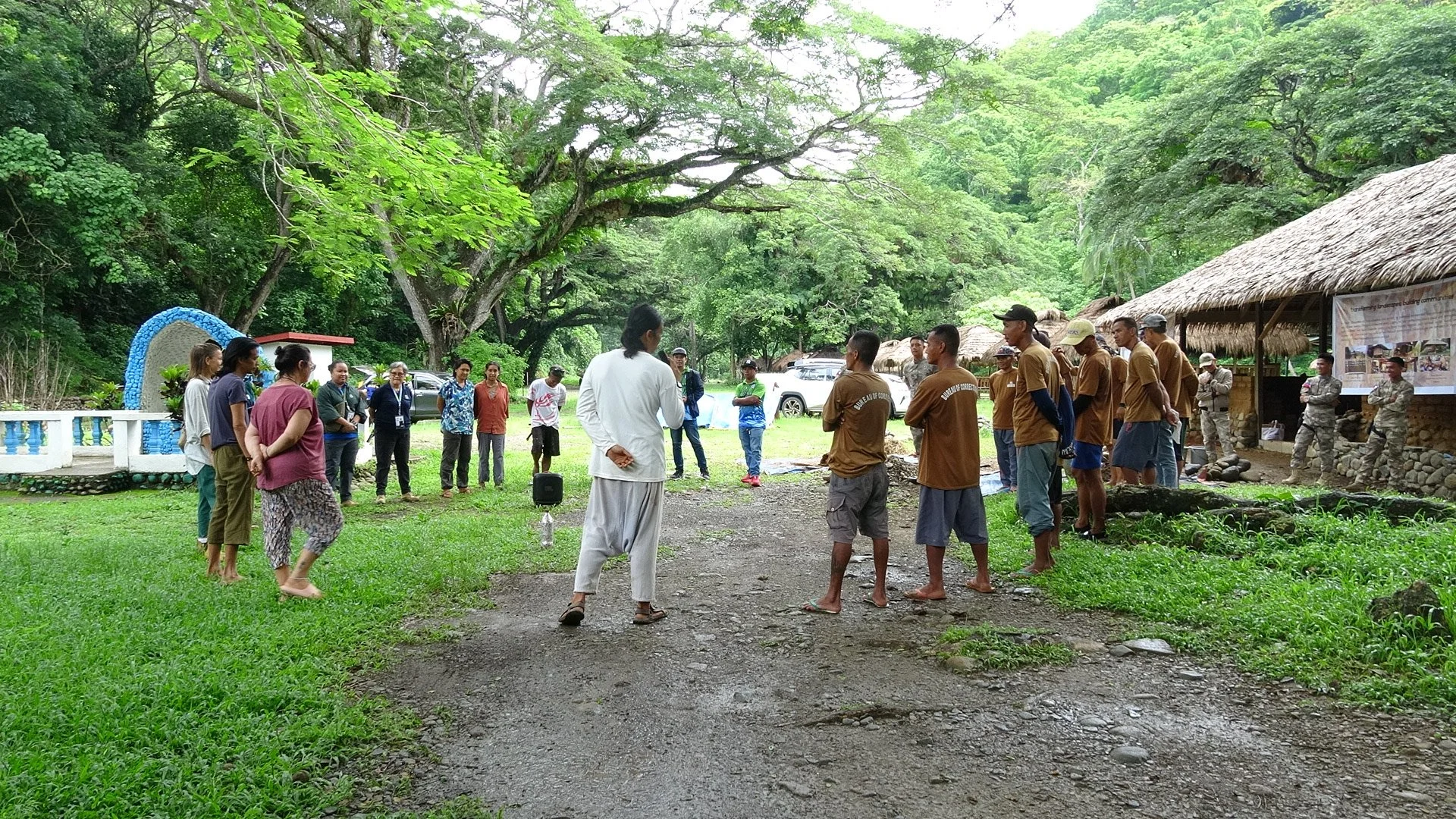
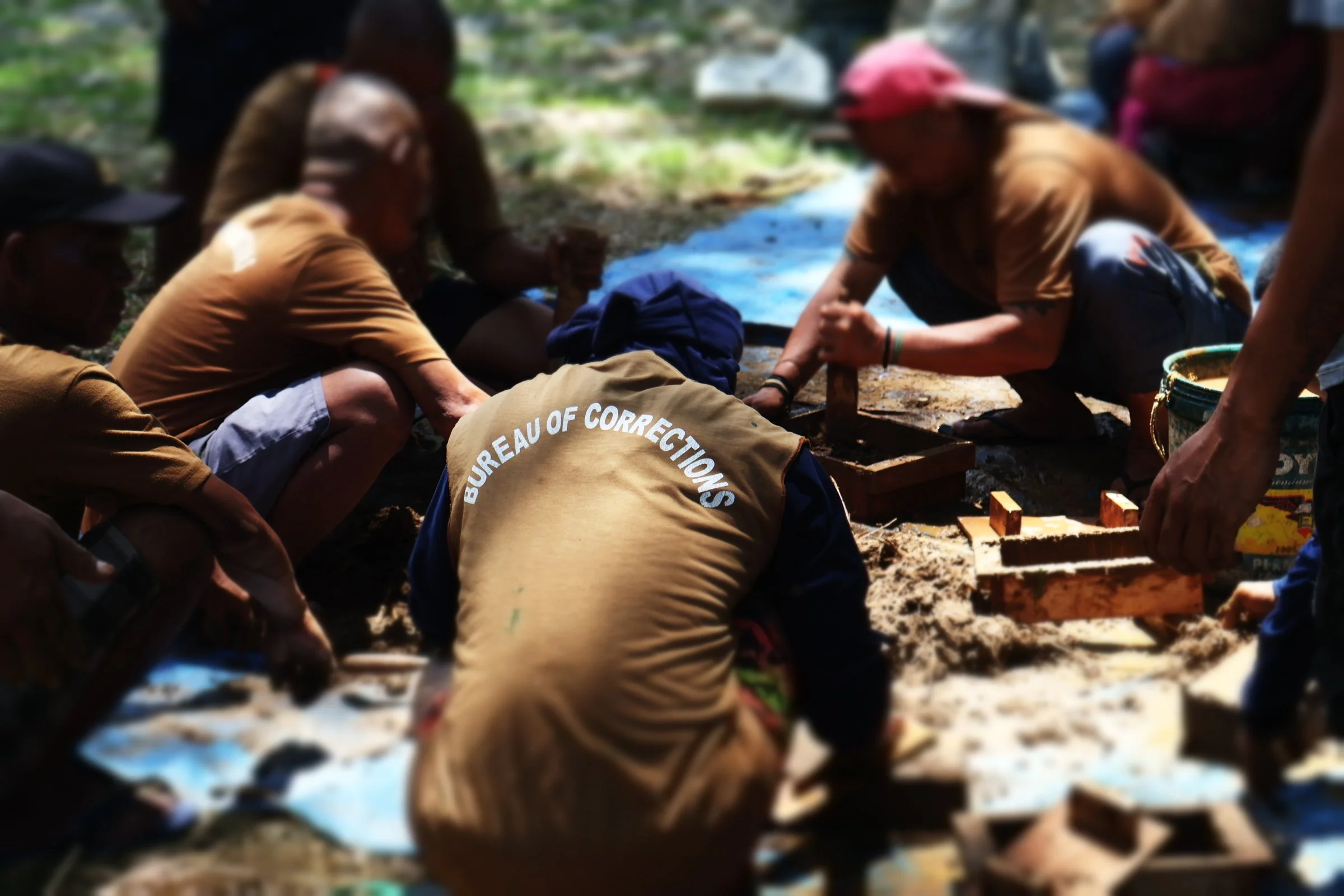
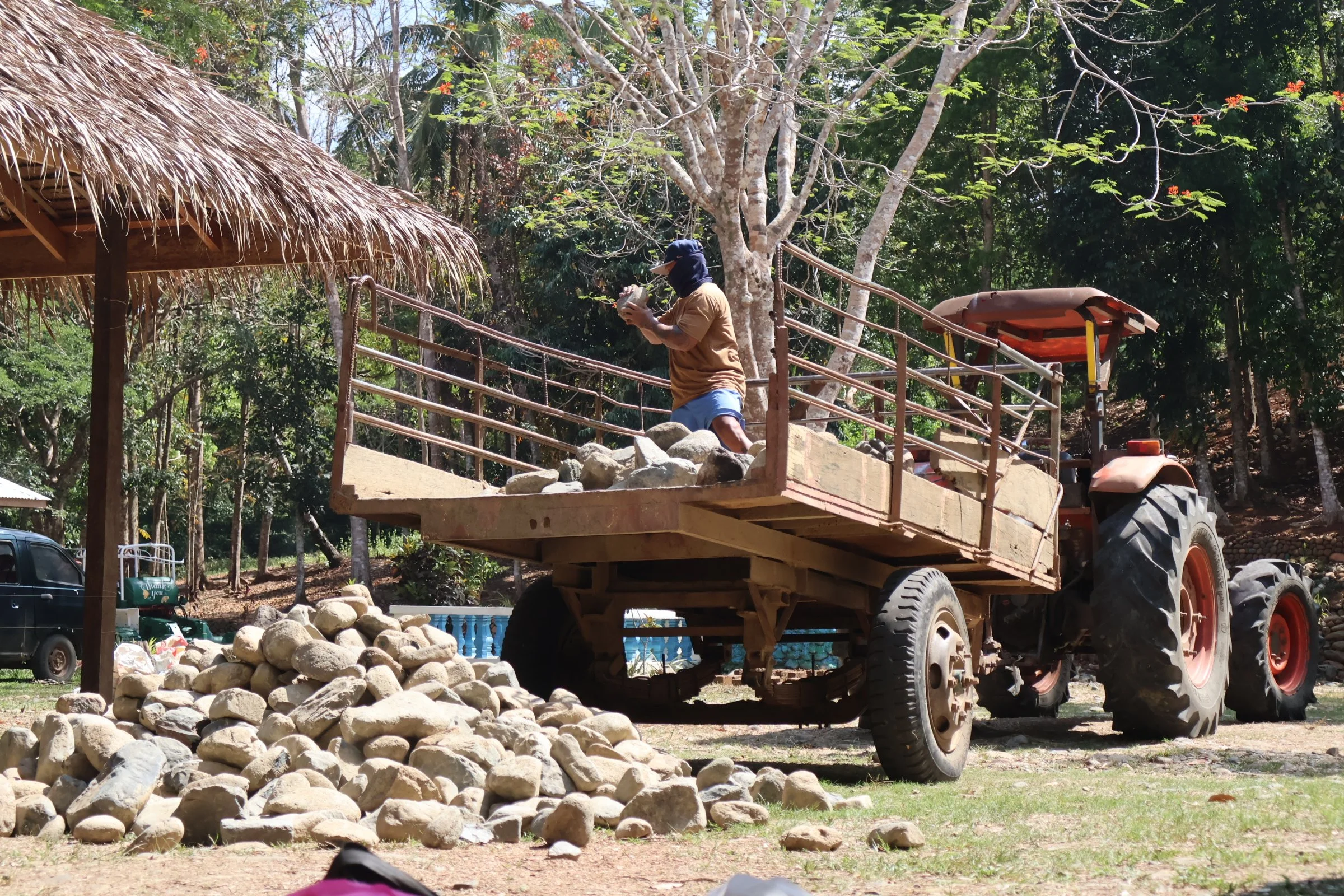
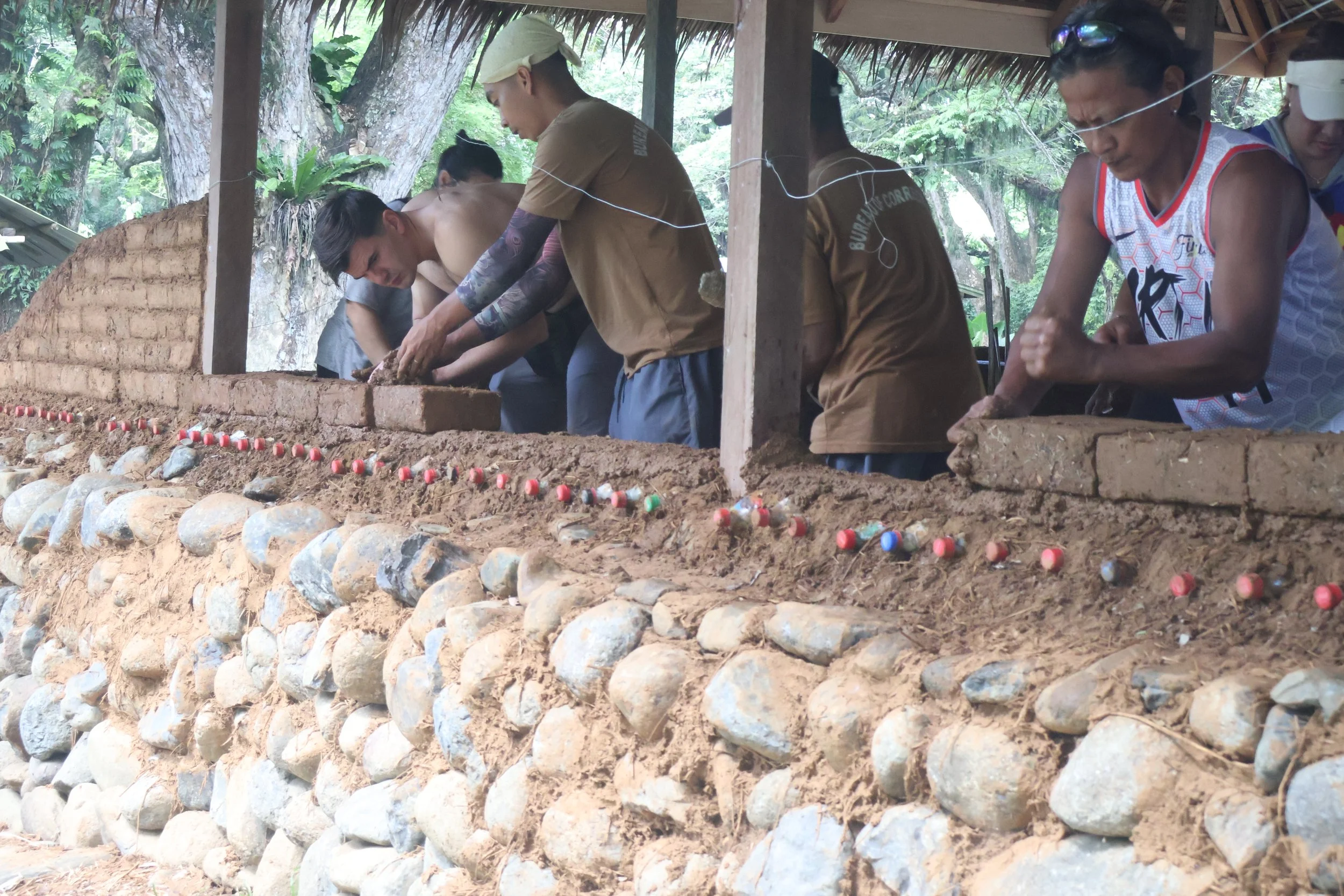
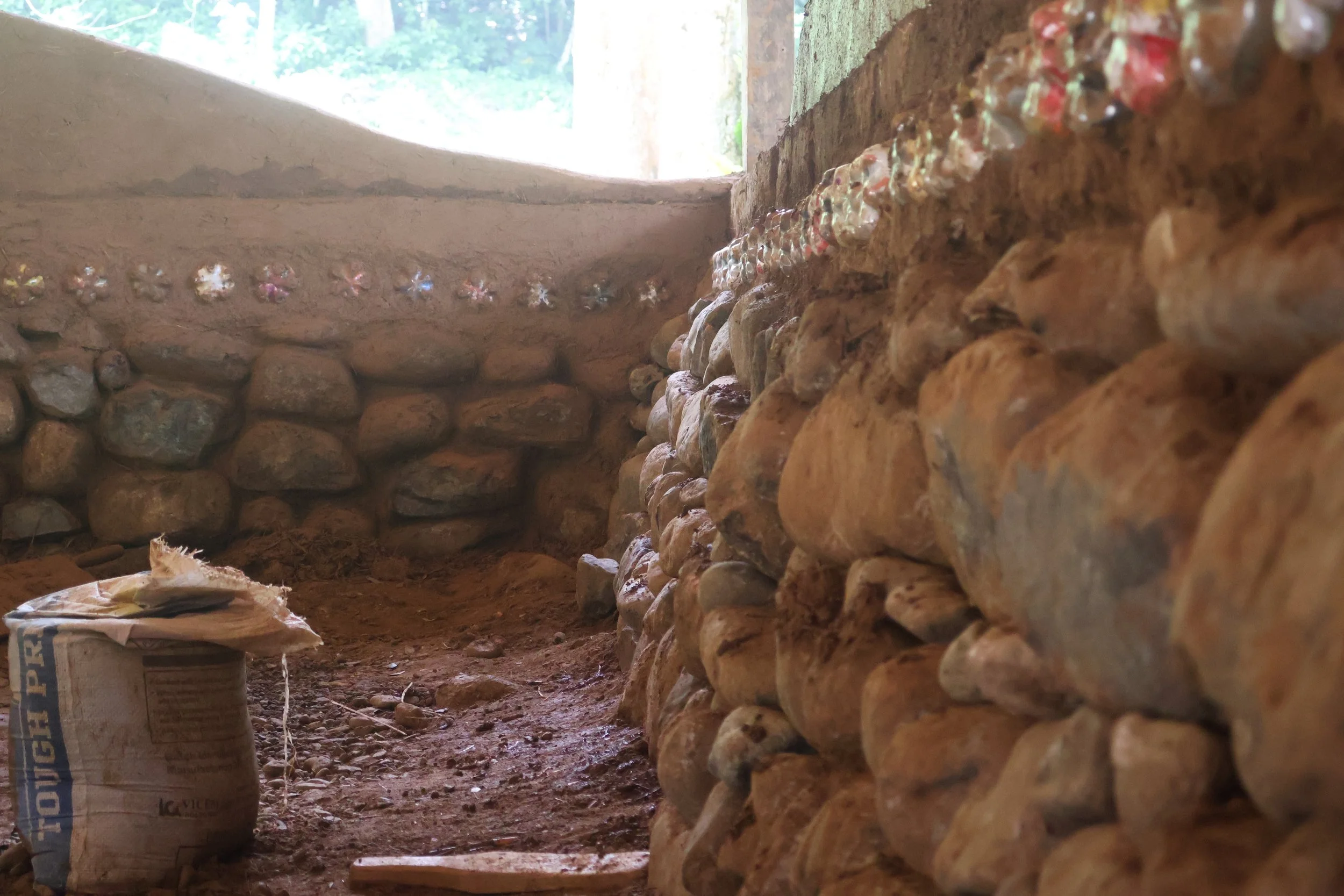
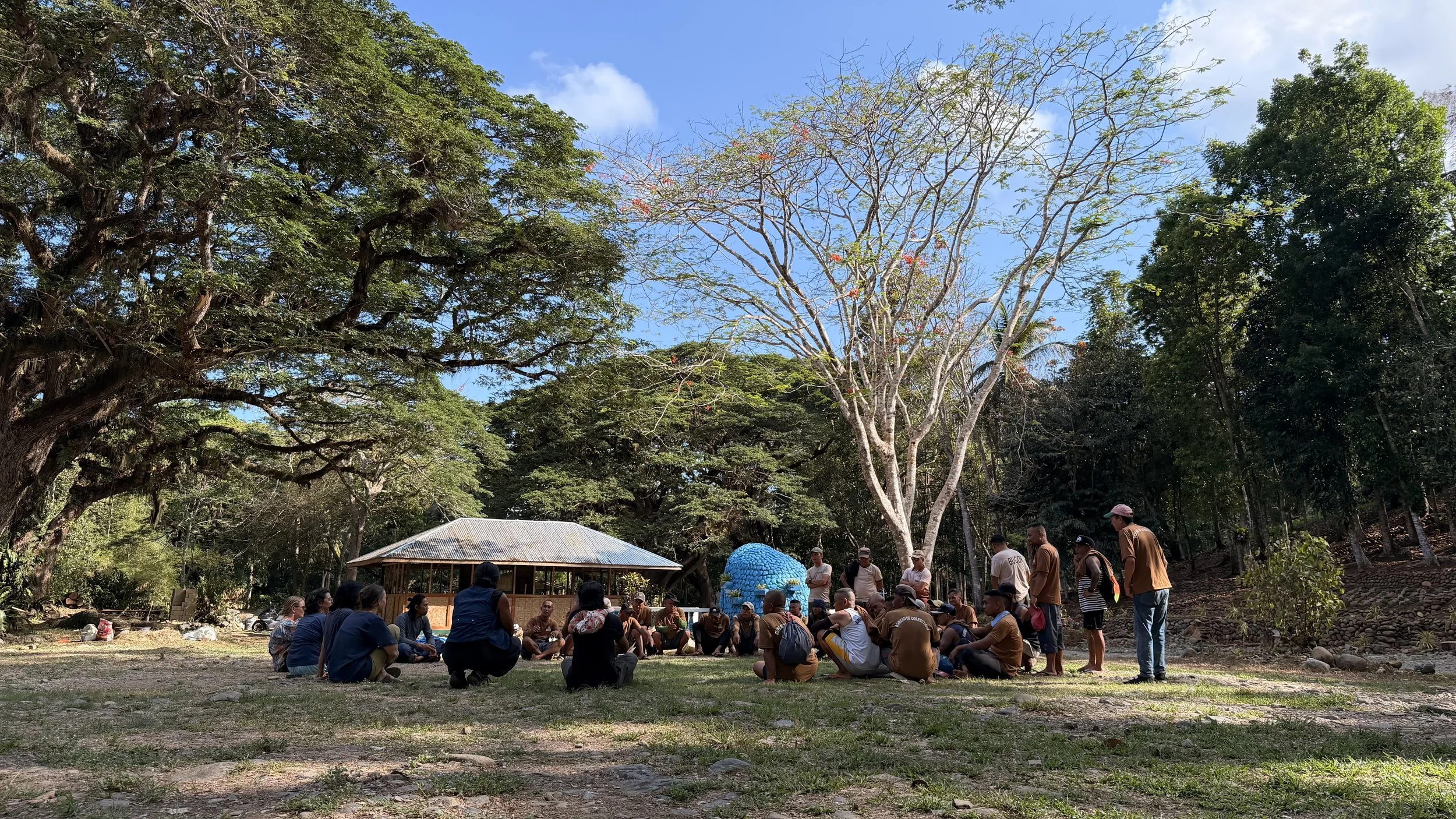
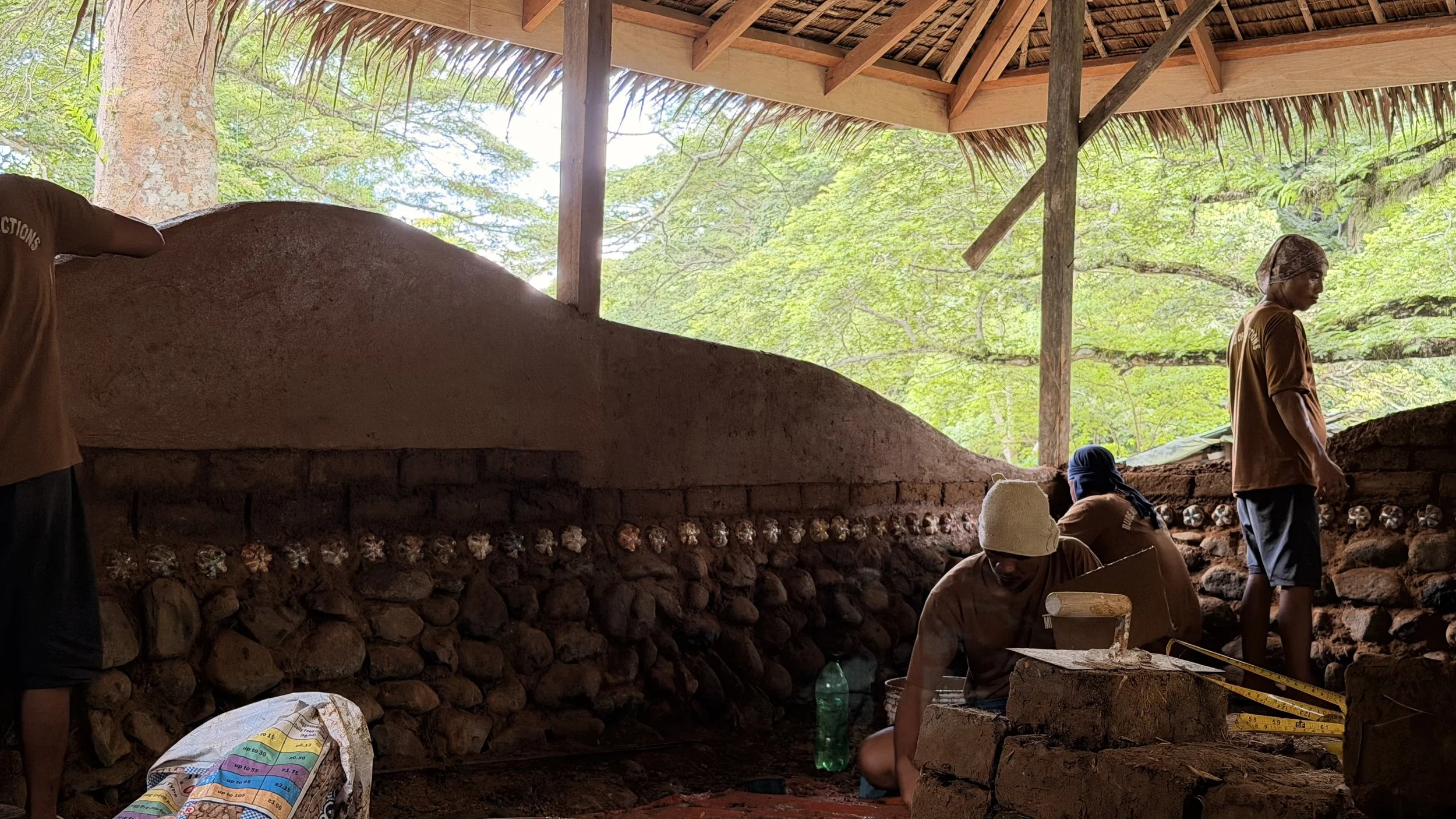
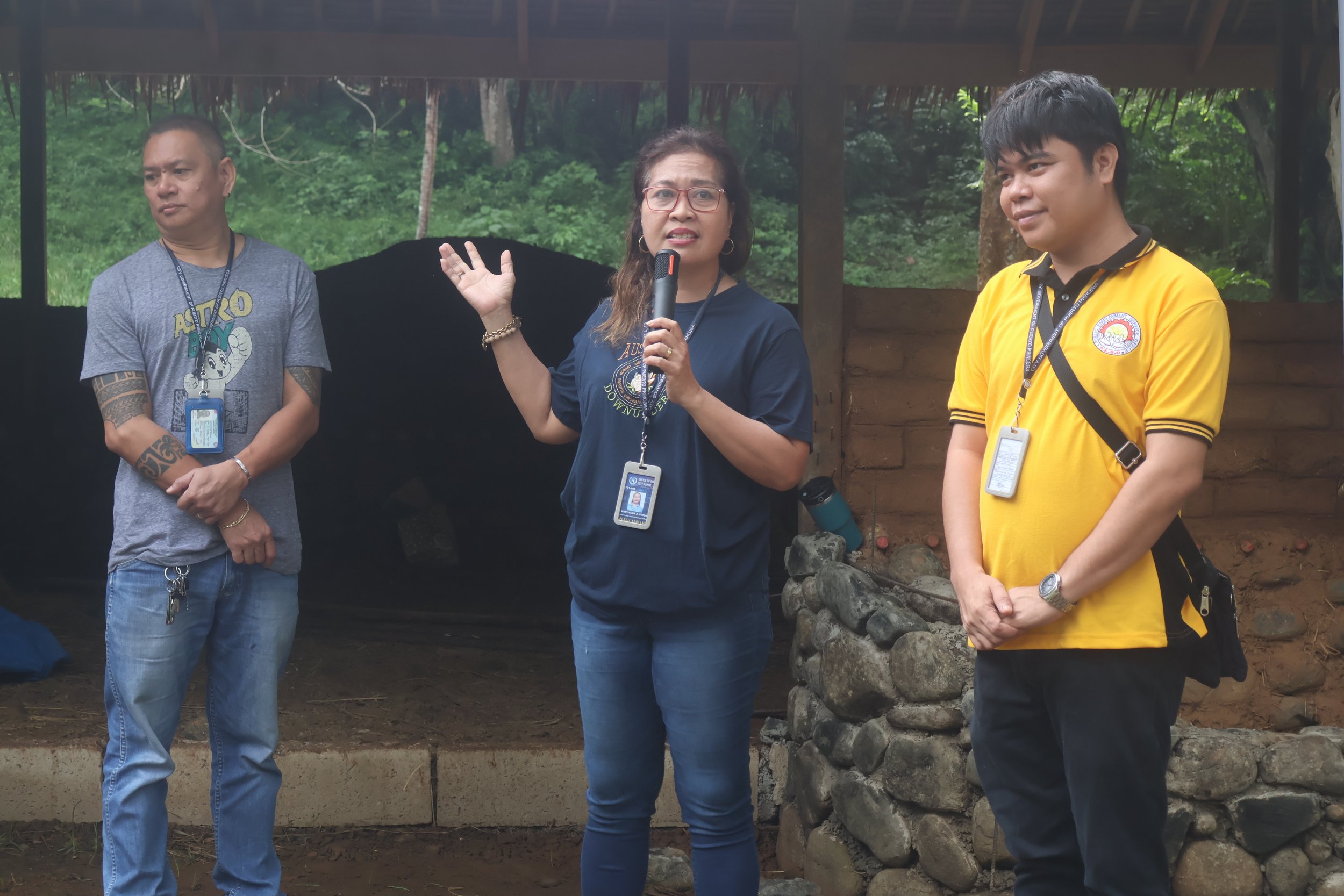
One of Bahay BaLayan's defining characteristics is the way it brings together people and institutions that might not otherwise collaborate. The ecobricks incorporated into the walls originate from a partnership with the Public Employment Service Office (PESO), creating a cycle in which members of the surrounding community transform plastic into construction materials while generating livelihood opportunities and contributing to a cleaner environment. In this way, the walls are being shaped not only by those working within the site, but also by many hands beyond its boundaries, demonstrating how environmental action, local livelihoods, and sustainable construction can reinforce one another.
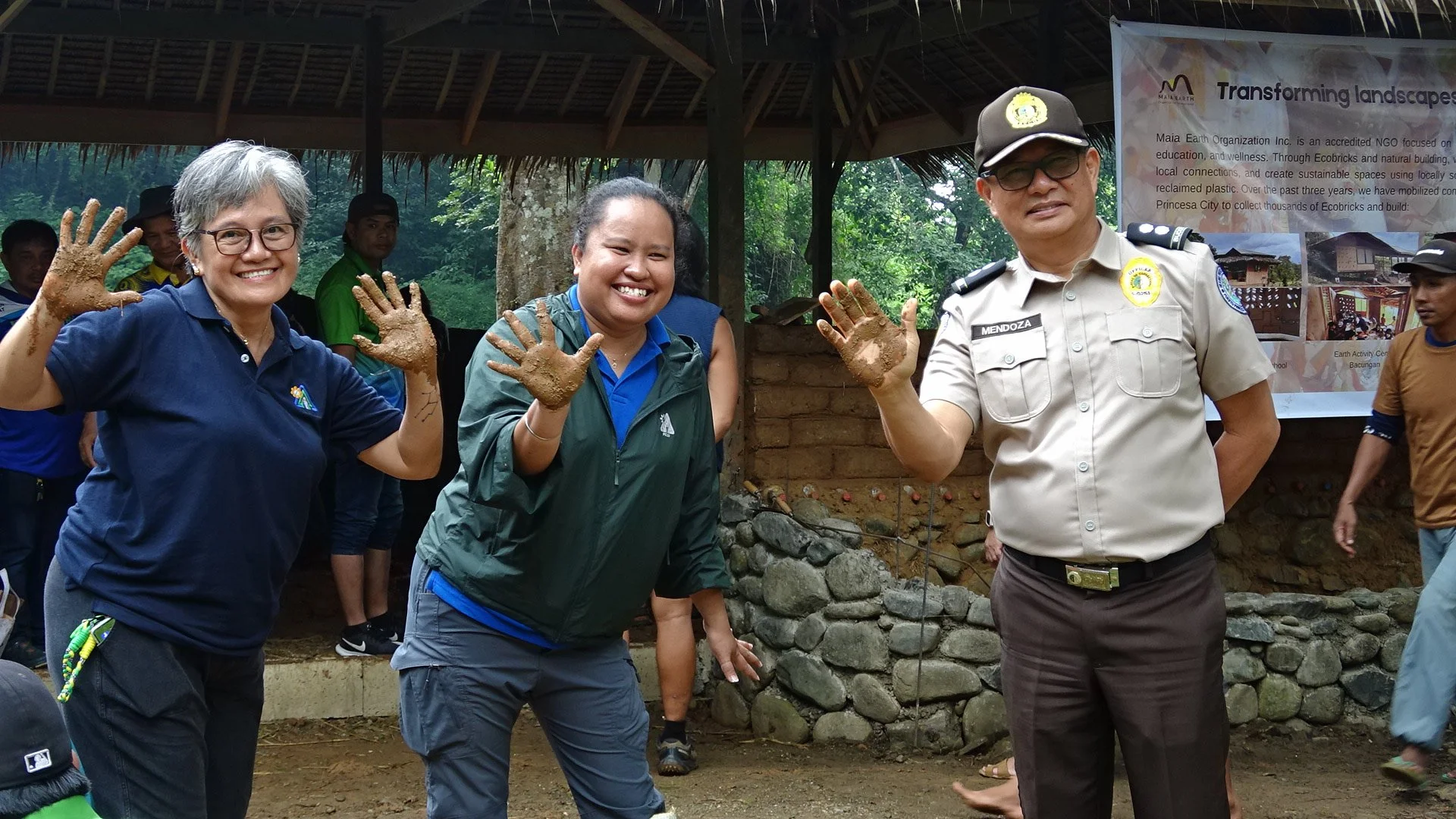
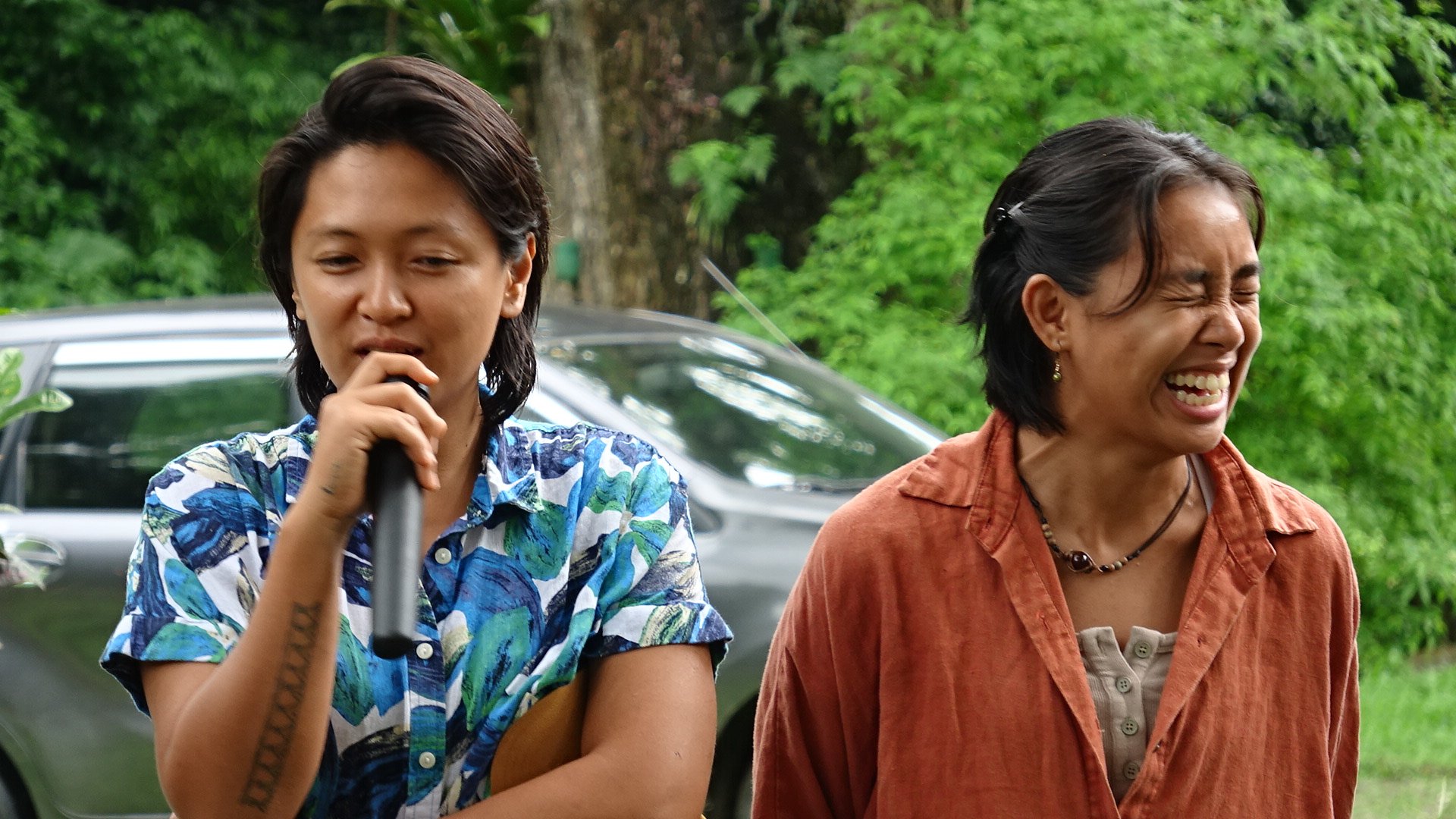
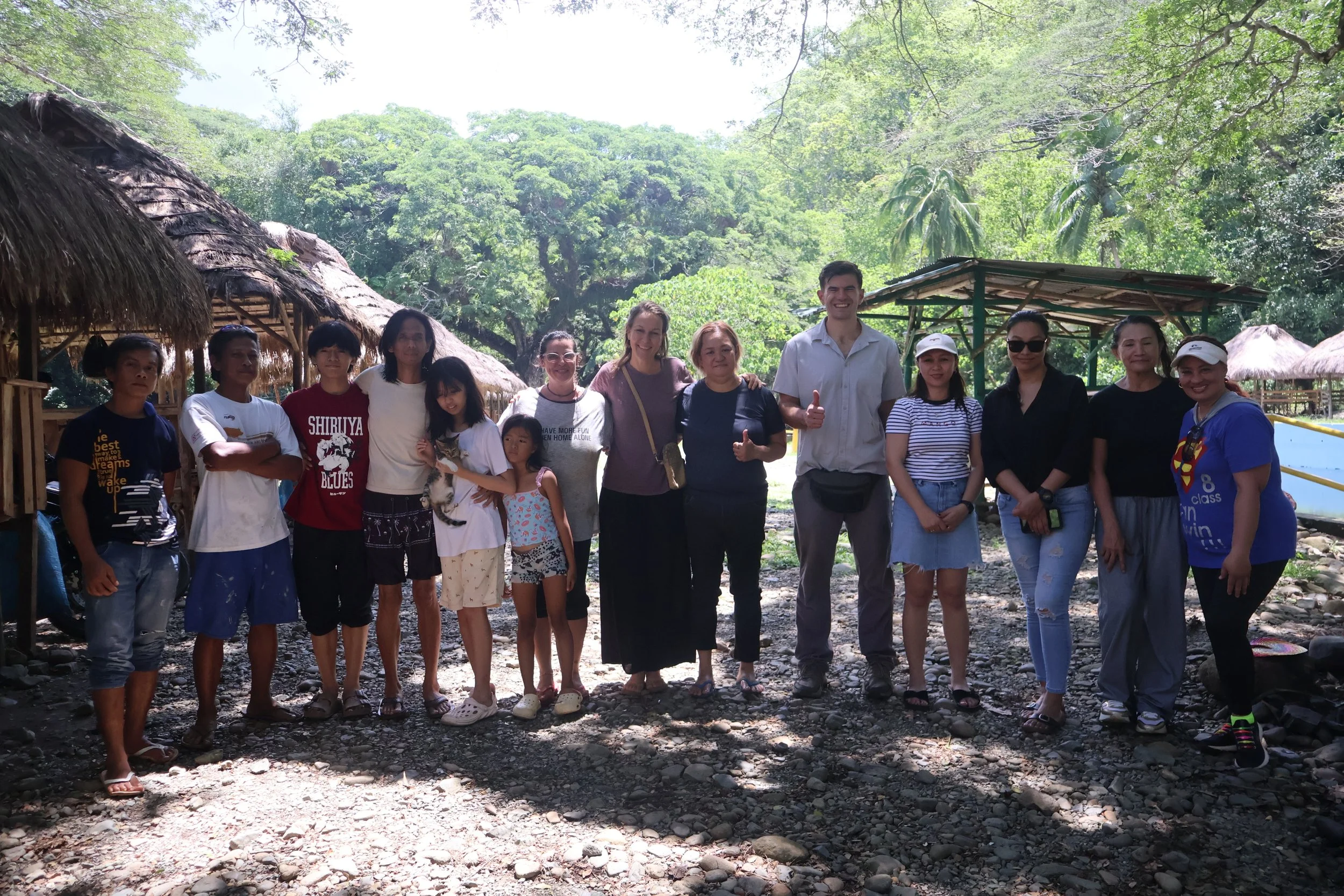
As the project continues to develop, it is also becoming a place for exchange beyond the construction site itself. Maia Earth has been organising open natural building workshops that welcome participants from government agencies, educational institutions, youth organisations, and the wider public to learn, contribute, and experience the building process firsthand. These gatherings create opportunities not only to explore earth-based construction techniques, but also to engage in broader conversations about sustainability, appropriate technologies, environmental responsibility, and collaborative approaches to development. In doing so, the project continues to strengthen a growing network of individuals and institutions interested in natural building and regenerative practices.
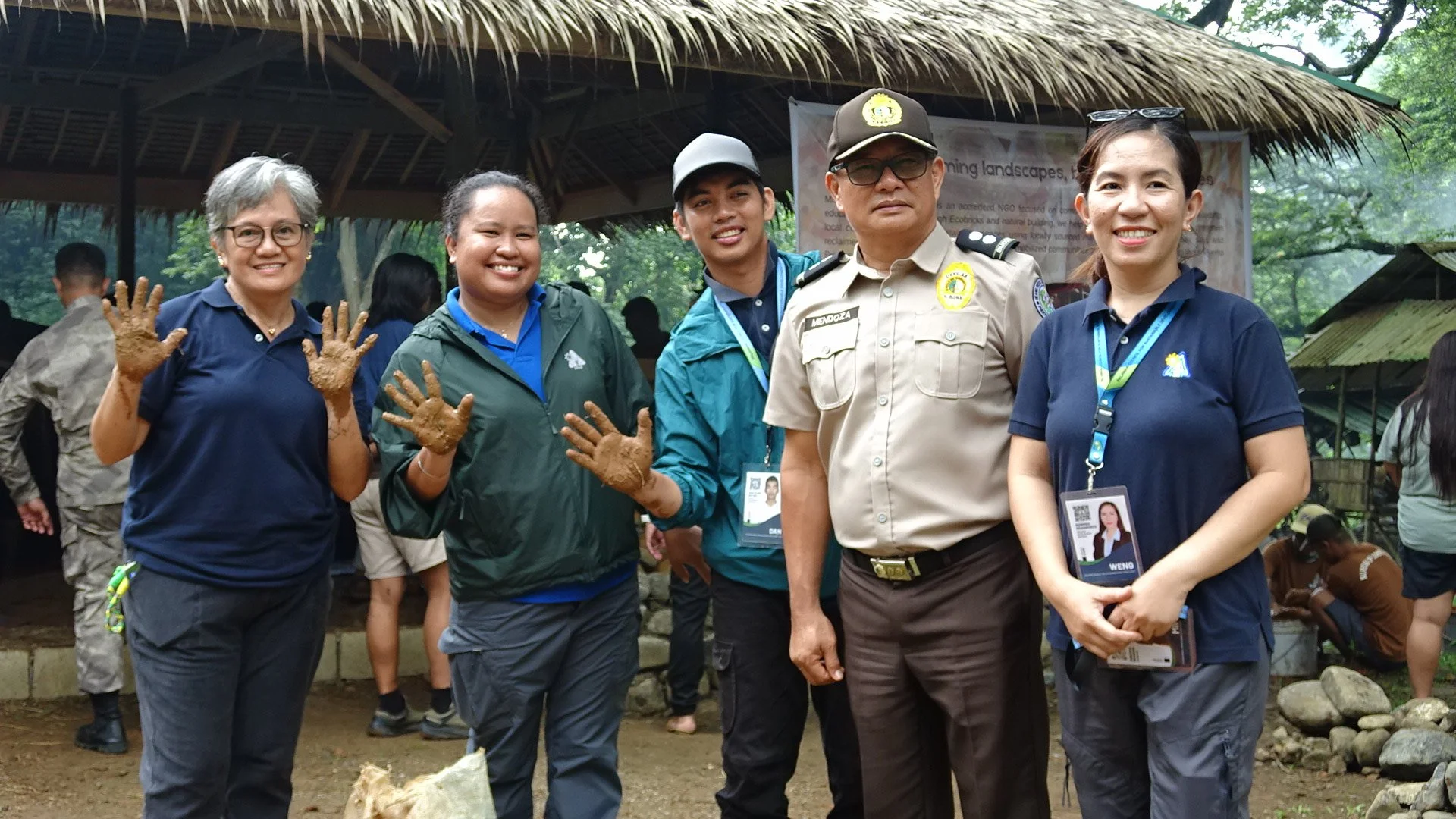
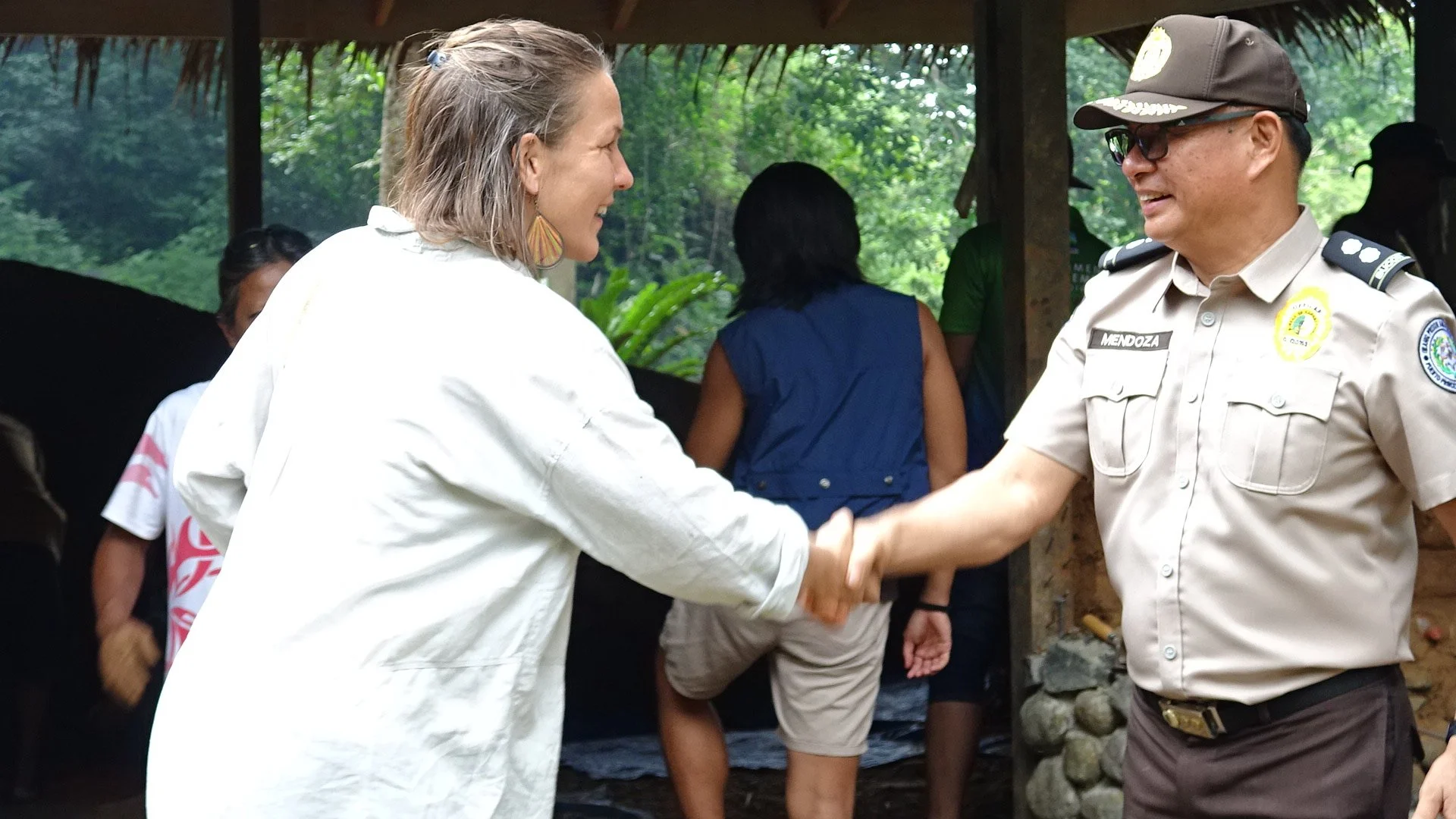
Although Bahay BaLayan is being developed within the Iwahig Prison and Penal Farm, its significance extends well beyond its physical setting. The project explores how institutions can become places of learning, innovation, and collaboration, where practical skills, environmental responsibility, and meaningful participation intersect. As construction enters its final stages, Bahay BaLayan is gradually emerging as a model that demonstrates how natural building can contribute to broader conversations about sustainability, inclusion, capacity building, institutional partnerships, and the movement of knowledge across communities and organisations. Rather than representing a finished destination, the project continues to evolve through the people, materials, and relationships that give it form.
