
Education meets Earth Care
Beyond the Classroom: Back to Land, Back to Community

Education has always been closely connected to Maia Earth's work. We believe that learning is most meaningful when it reaches beyond the classroom and creates opportunities for young people to develop practical skills, curiosity, creativity, and a deeper understanding of themselves, one another, and the places they inhabit. Rooted in lived experience, shared knowledge, and the wisdom of place, education becomes a way of nurturing both people and the environments that sustain them.
During the COVID-19 pandemic in 2020, Maia Earth opened its doors to children and young people seeking a space where learning could continue within a supportive environment. Rather than replicating a conventional classroom, we created opportunities for learning to unfold beneath trees, beside gardens, and through shared activities where knowledge emerged through observation, conversation, and practice. These experiences invited children to engage with the rhythms of the land—asking questions, caring for living systems, and discovering that learning is something we do together.
Our learning spaces continue to evolve alongside the children and families who take part in them. Gardens, natural building projects, creative activities, and everyday experiences become part of the learning process, while children are encouraged to contribute ideas, shape activities, and participate in decisions about what they would like to explore. In this way, education becomes a collaborative process—responsive to curiosity, grounded in participation, and connected to sustainability, wellbeing, and community life.


Creativity, Connection, and Culture: Bahay Pangarap, a model of student-led project in Bacungan National High School
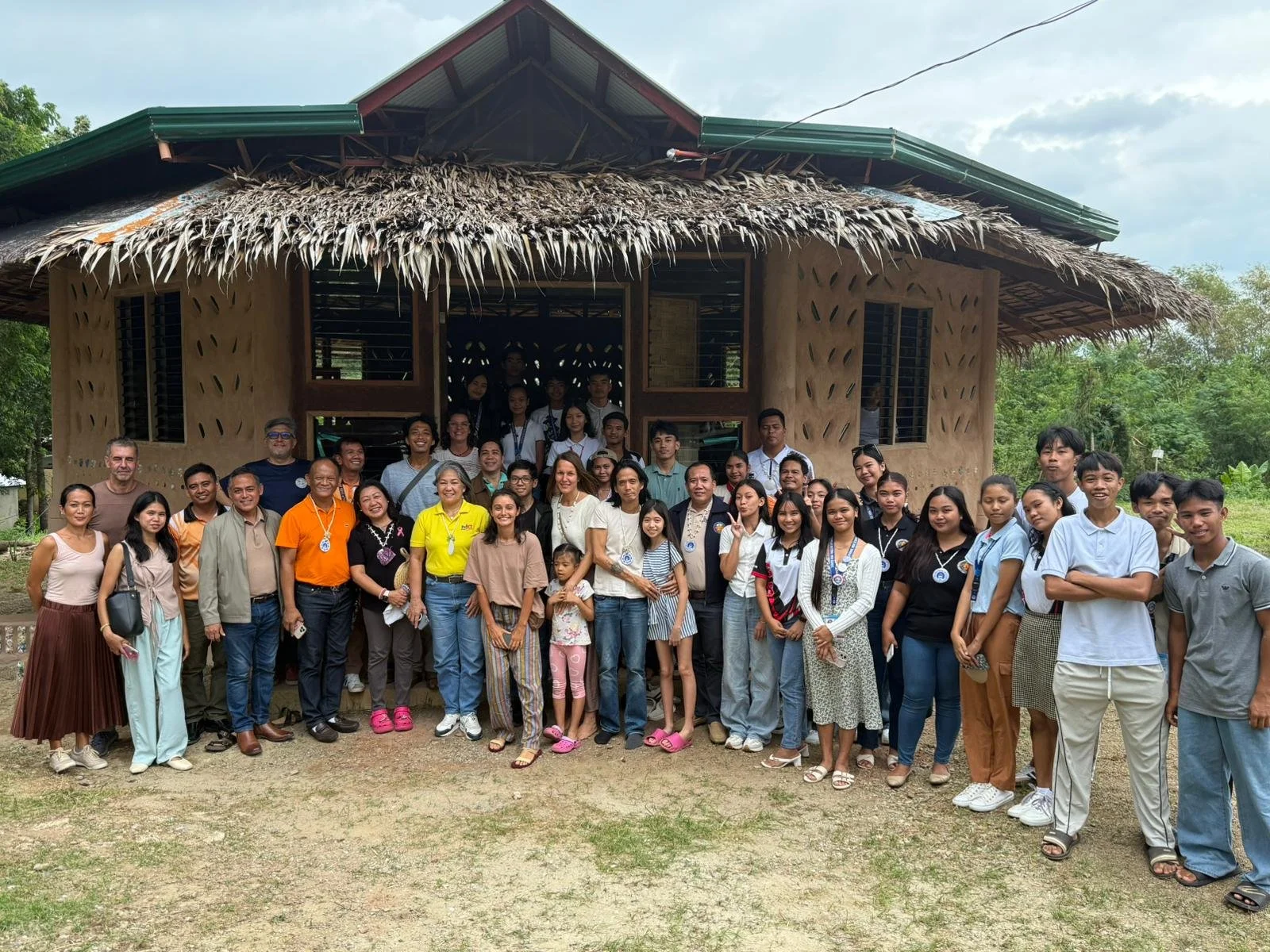
In 2023, Maia Earth, in partnership with the Department of Education (DepEd) and Malaya Permakultura, began the construction of Bahay Pangarap—a natural building classroom developed together with the Bacungan National High School community. Built from earth and ecobricks, the project was never intended simply as the construction of a new learning space, but as an opportunity for students, teachers, and local practitioners to learn through the process of building together.
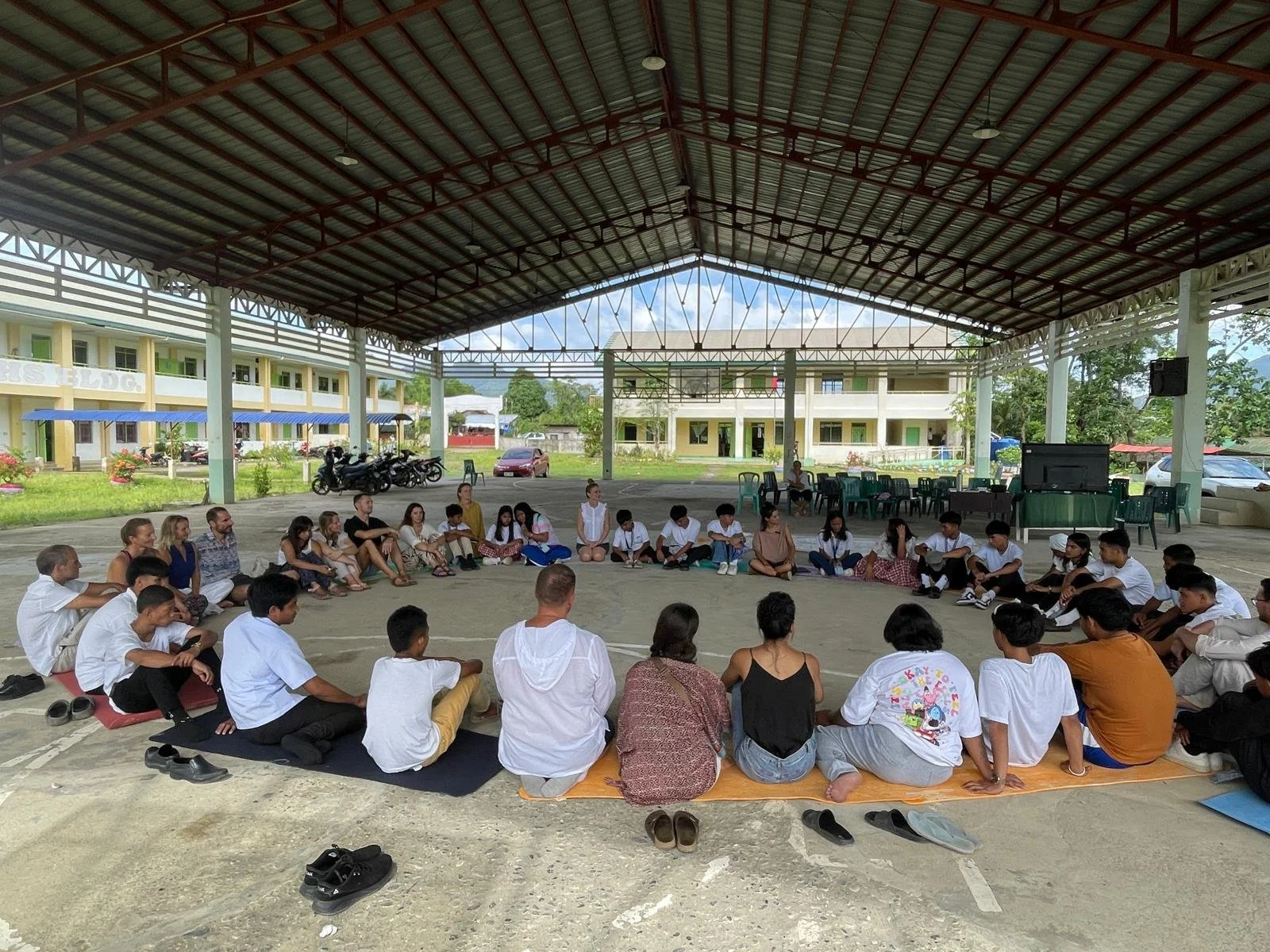
Over nearly two years, the project gradually unfolded alongside the rhythm of the school. Around 800 students participated in different stages of the initiative, from early design conversations and creative workshops to ecobrick campaigns, natural building, painting, and landscaping. Rather than treating construction as a technical exercise alone, the process invited students to explore collaboration, environmental stewardship, creativity, and practical problem-solving through shared experience.
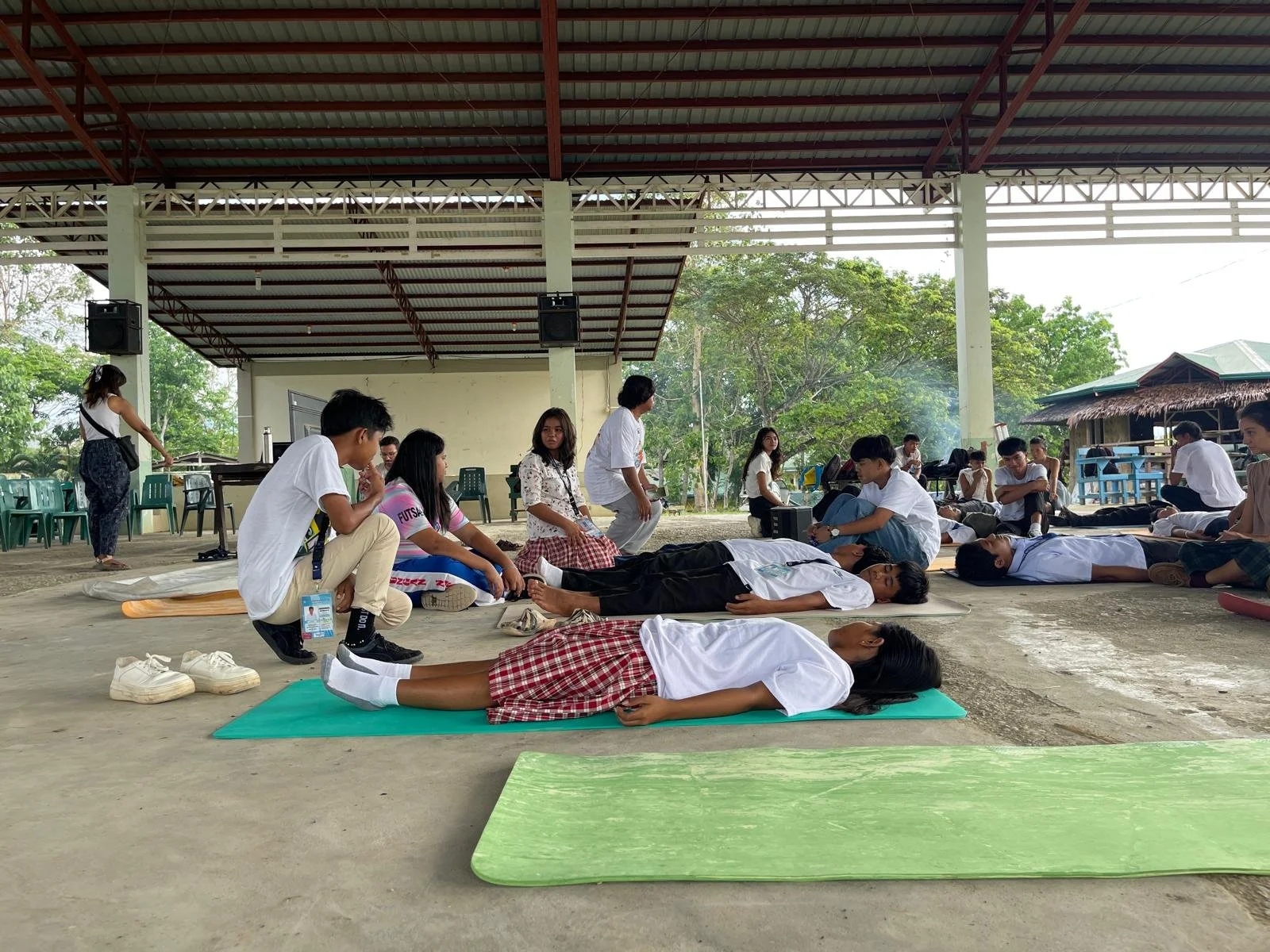
Today, Bahay Pangarap continues to grow as part of an ongoing partnership with the school. The classroom hosts activities connected to Music, Arts, Physical Education and Health (MAPEH), while also supporting Maia Earth's collaborative work around sound, creativity, and experiential learning. Beyond the classroom itself, the partnership has expanded to include school gardens designed with the Agriculture Department, ecobrick programmes integrated into Science performance tasks, environmental workshops for new students, and the gradual development of a school-based Materials Recovery Facility (MRF). Together, these initiatives seek to weave sustainability into everyday school life through practical, curriculum-connected experiences that continue to evolve alongside the interests of teachers, students, and the wider school community.