
Circular solutions
Keeping materials in circulation through creativity, ecological design, and community participation.

Every material carries energy, labour, and a story. How we extract, use, and return materials to the world shapes not only the health of ecosystems, but also the relationships between people and place. At Maia Earth, we explore practical ways of extending the life of materials by integrating circular thinking into everyday living, natural building, ecological sanitation, and community education. Rather than viewing materials simply as waste, we ask how they might continue contributing to living systems.
Across our projects, organic matter, glass, plastic, soil, and even human nutrients are understood as resources with the potential to enter new cycles of use. Composting, ecological sanitation, upcycling, and material reuse allow us to reduce unnecessary extraction while strengthening local knowledge, creativity, and environmental stewardship. These practices are simple, low-cost, and adaptable, demonstrating that circular systems can emerge through everyday actions and collective participation.
For more than six years, Maia Earth has integrated ecological sanitation and composting into daily life at our mountain site. Kitchen scraps, garden residues, and compost toilets become part of a closed nutrient cycle that supports soil regeneration, biodiversity, and food production. By safely returning nutrients to the land, these systems demonstrate how thoughtful design can contribute to healthier soils while reducing pressure on conventional waste and sanitation infrastructure.


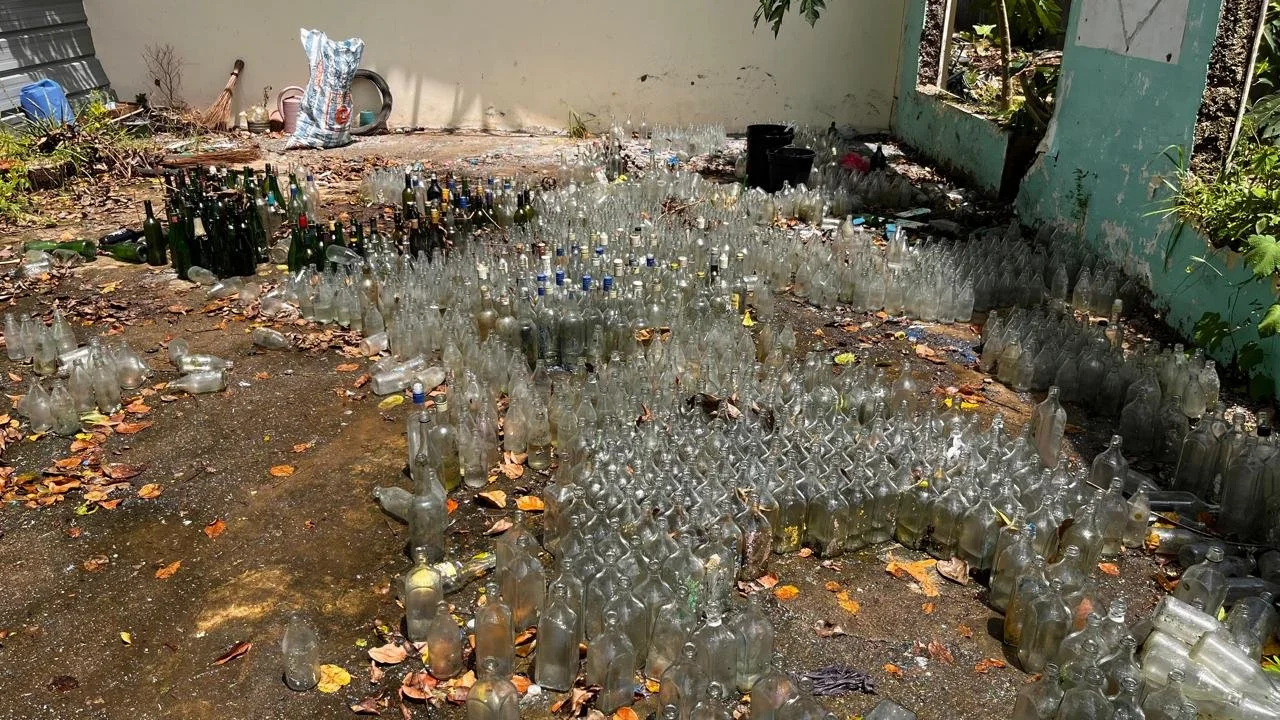
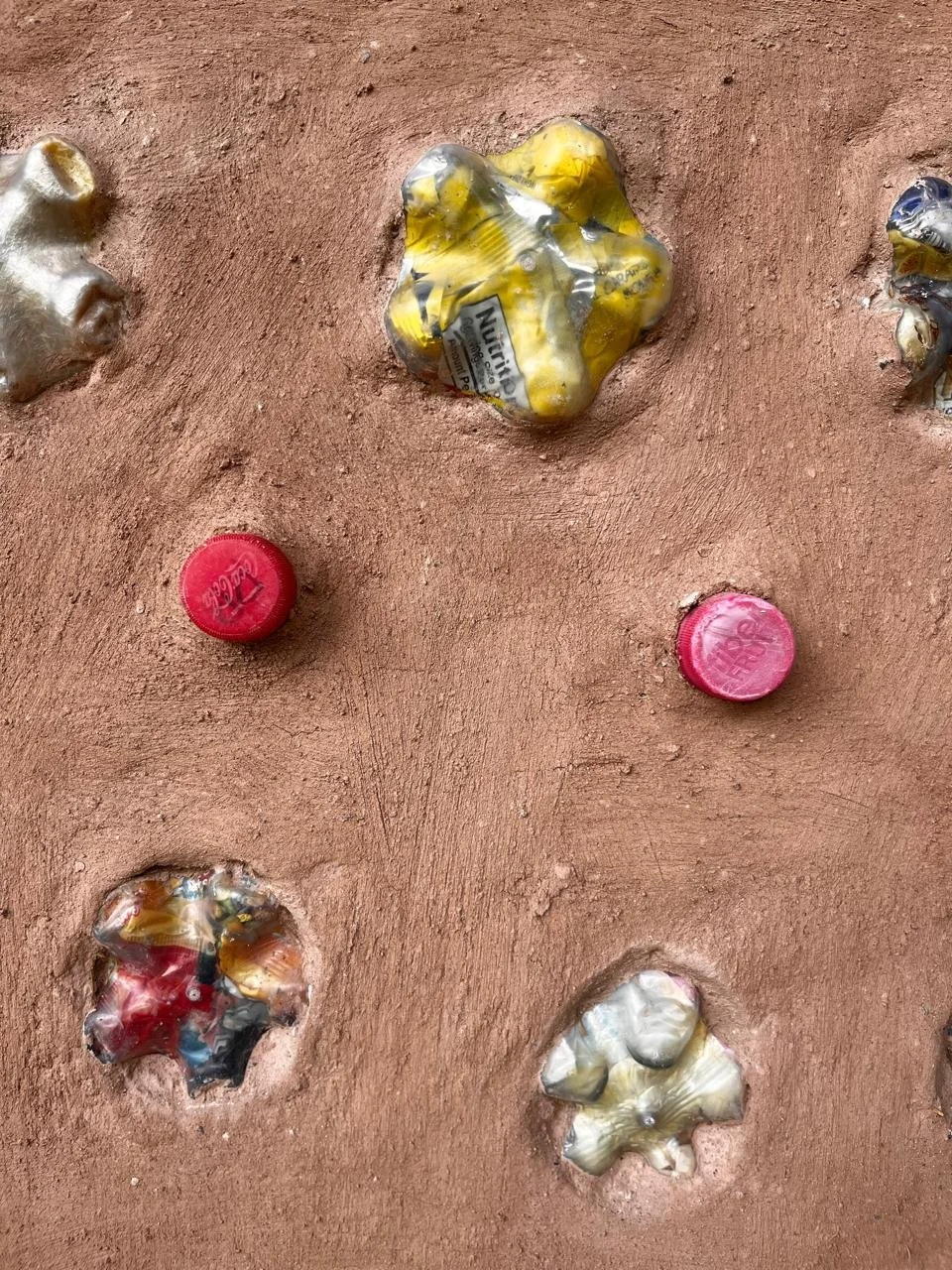
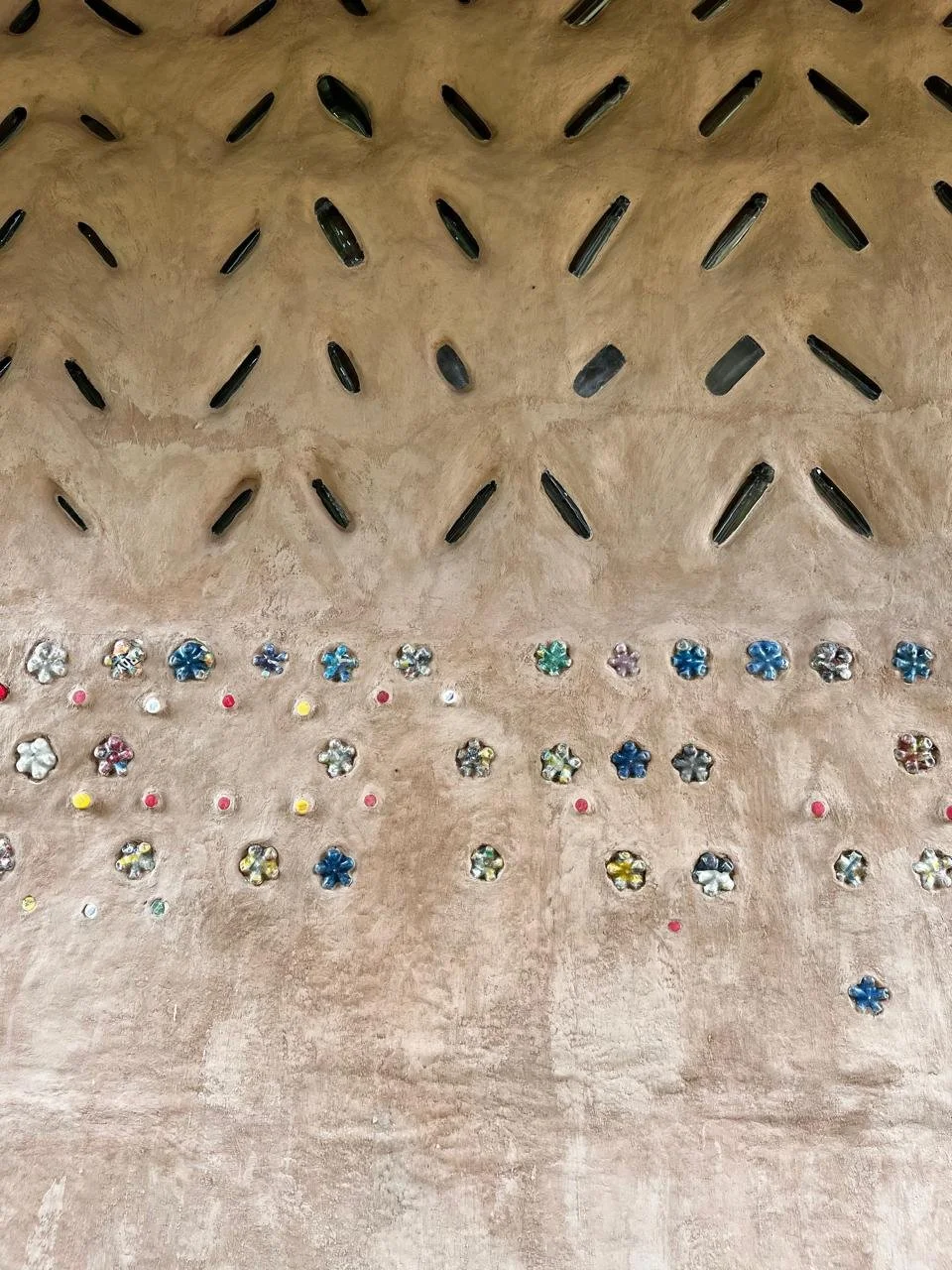
Circular thinking also shapes the way we build. Throughout our natural building projects, reclaimed materials are thoughtfully incorporated alongside earth, bamboo, stone, rice straw, and timber. Glass bottles, for example, become part of earthen walls where they provide natural daylight while reducing the demand for new construction materials. Each building demonstrates that architecture can emerge from creativity, local resources, and careful observation of what is already available.
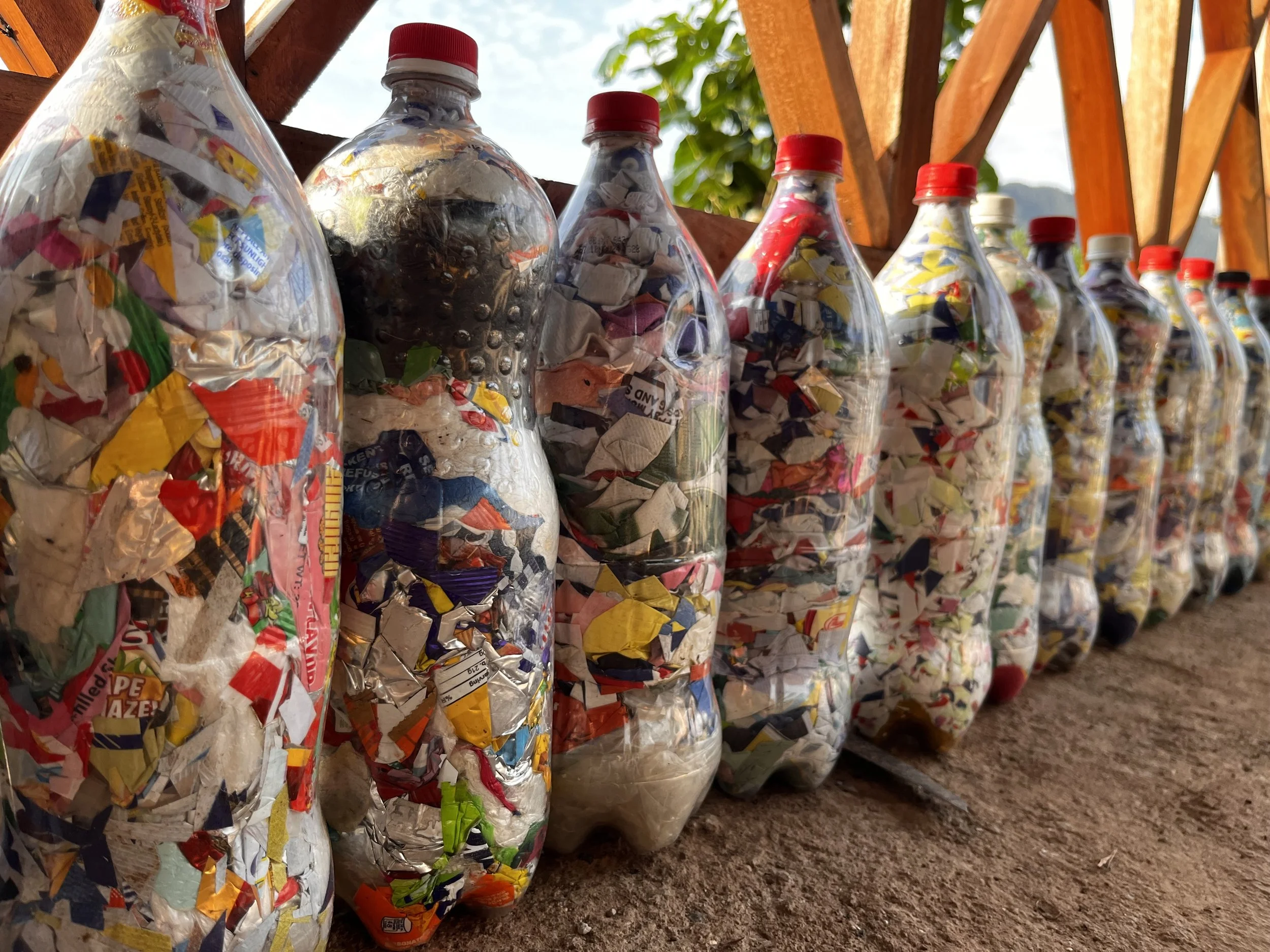
Keeping plastic in circulation through community action and practical design.
As members of the Global Ecobrick Alliance and among the early organizations promoting ecobricks in the Philippines, Maia Earth has worked with schools, barangays, government institutions, and local communities to demonstrate how plastic that cannot yet be avoided can be responsibly managed through plastic sequestration.
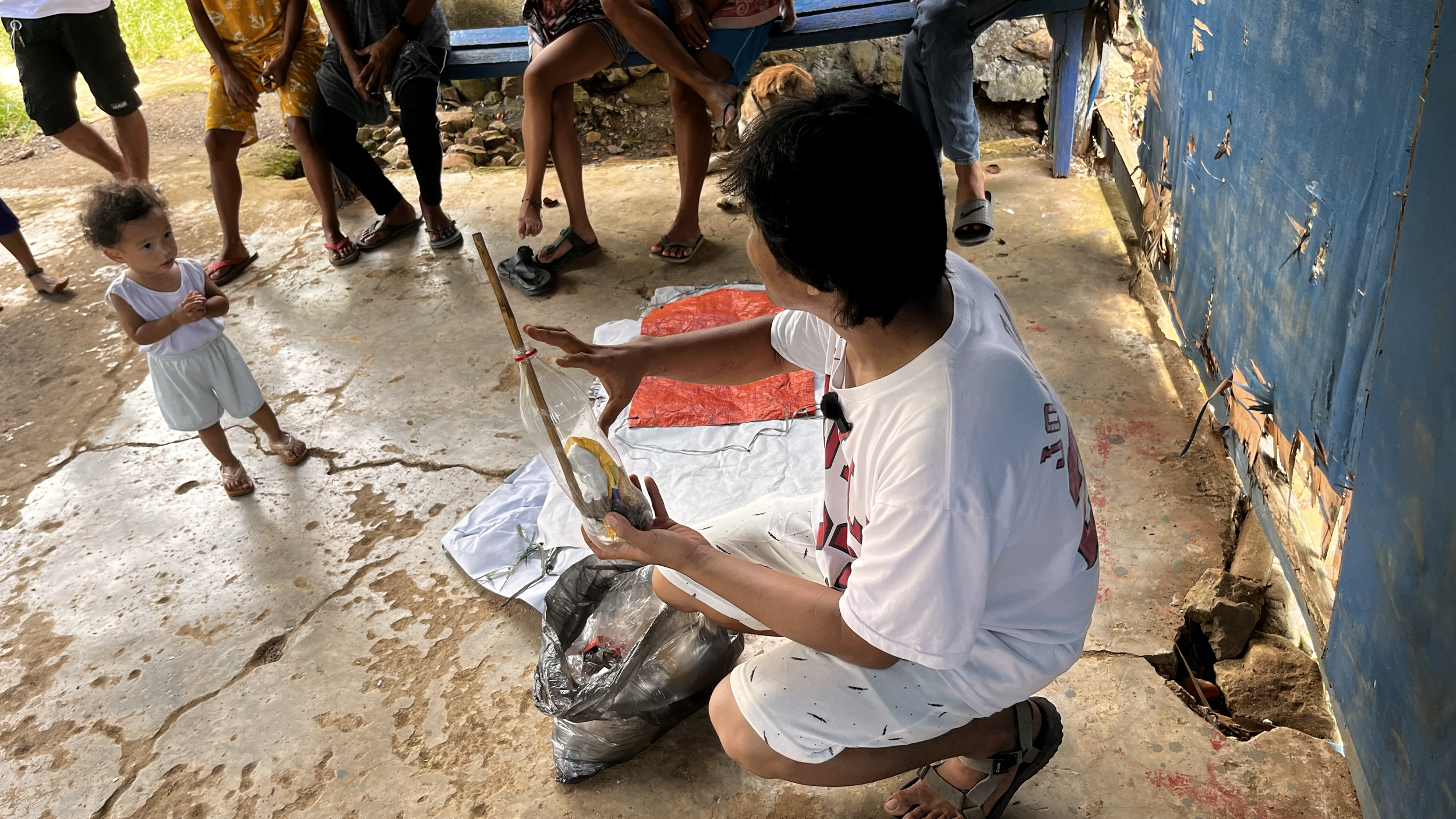
Ecobricks are simple yet effective. By tightly packing clean, dry, non-biodegradable plastics into plastic bottles, materials that would otherwise be difficult to recycle are safely contained and transformed into durable building units. These can be incorporated into furniture, garden structures, natural buildings, and public spaces, extending the useful life of plastics while reducing the risk of open burning, unmanaged disposal, and the gradual release of microplastics into the environment.
While ecobricks are not a complete solution to plastic pollution, they provide an accessible, low-cost practice that almost anyone can adopt. Requiring no electricity or specialised machinery, ecobricking encourages individuals, families, schools, and institutions to participate directly in the stewardship of materials already present within their communities. A properly made ecobrick can safely sequester between 200 and 500 grams of soft plastic, keeping it protected from the sunlight, oxygen, and friction that accelerate its degradation.

Ecobricks offer a practical way to keep plastic in use, transforming discarded materials into gardens, furniture, and natural buildings through collective action.
Beyond their practical application, ecobricks invite a different way of thinking about materials. Rather than treating plastic as something to hide or discard, they encourage responsibility, creativity, and collective participation. The bottle becomes less important than the relationships it creates—bringing neighbours together, connecting classrooms with construction projects, and turning environmental challenges into opportunities for learning.
This approach can be seen across many of Maia Earth's collaborations. At Bacungan National High School, more than 800 students contributed thousands of ecobricks that became part of the foundations of Bahay Pangarap, cleaning their school grounds while participating in the construction of their own learning space. Through Maia Earth School, workshops, and community barter programs, ecobricks continue to become part of everyday life, exchanged not only for rice but also for locally valuable resources such as seaweed and cow manure that contribute to soil regeneration and livelihood initiatives.
One of the clearest examples of this circular approach is Bahay BaLayan, our ongoing natural building project inside the Iwahig Prison and Penal Farm. Through a collaboration with the government's PESO livelihood programme, community members produced ecobricks while cleaning their local environment and receiving additional income. Those same ecobricks later became part of the foundations of a multipurpose building constructed together with persons deprived of liberty, engineers, practitioners, and volunteers. In this way, circularity extended beyond materials alone. Plastic, knowledge, livelihoods, institutions, and people all became part of the same cycle of care and contribution.
For us, the value of ecobricks extends beyond the bottle itself. They remind us that meaningful environmental change often begins with small, shared actions. When combined with education, creativity, and collaboration, even the most overlooked materials can become part of healthier relationships between people, place, and the resources upon which we all depend.