
Kalusugan 101: Health made conversational and accessible through Knowledge & Everyday Wellbeing
Free health seminars in Puerto Princesa City
Long before the Tree of Life building is complete, the ideas that gave rise to it are already finding their way into the communities it was created to support. During June 2026, Maia Earth welcomed physicians, health practitioners, and educators from Wellnessland Health Institute in Cebu and Bicol to facilitate two free public health talks centered on one simple question: how can health become more understandable, accessible, and empowering for everyone?
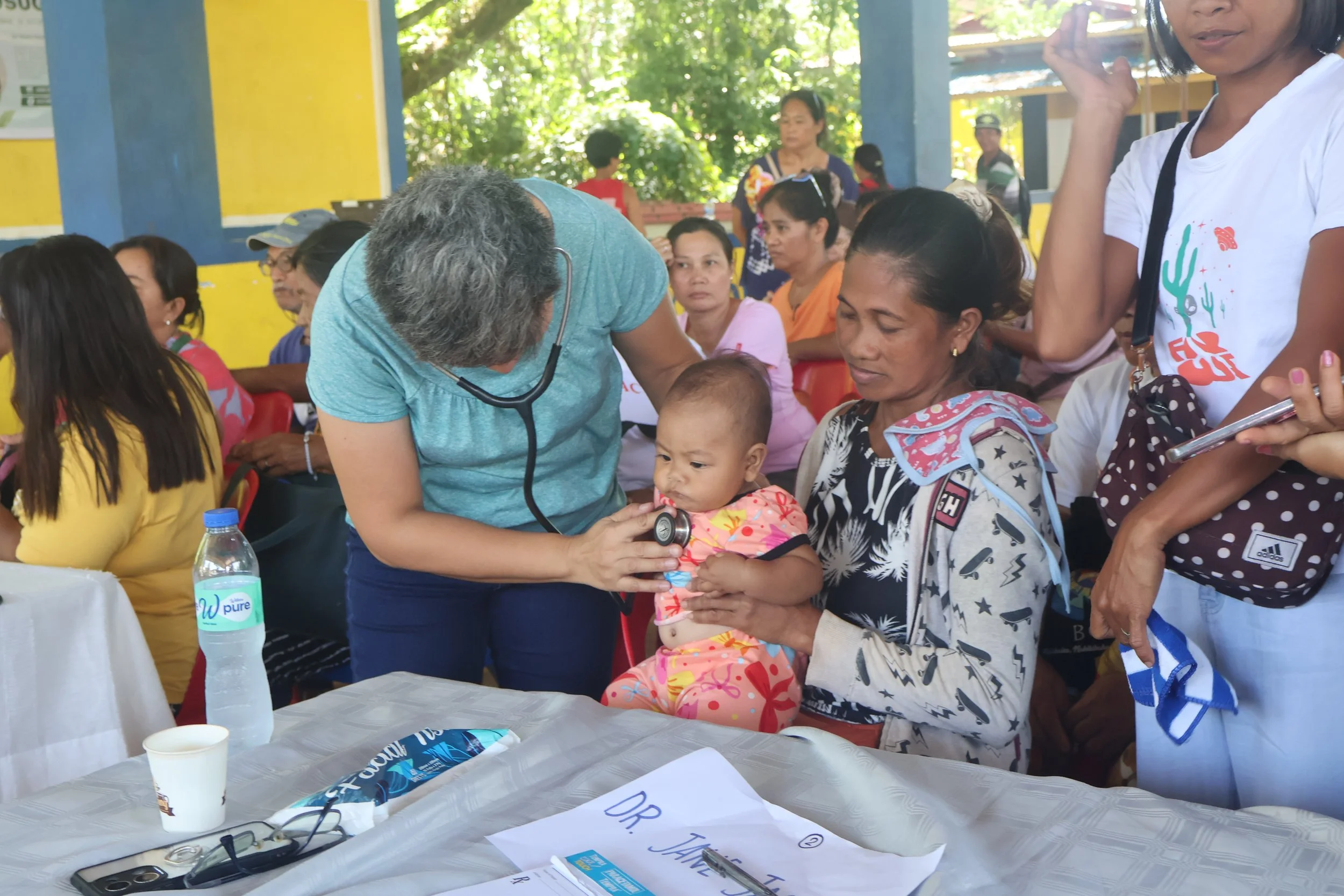
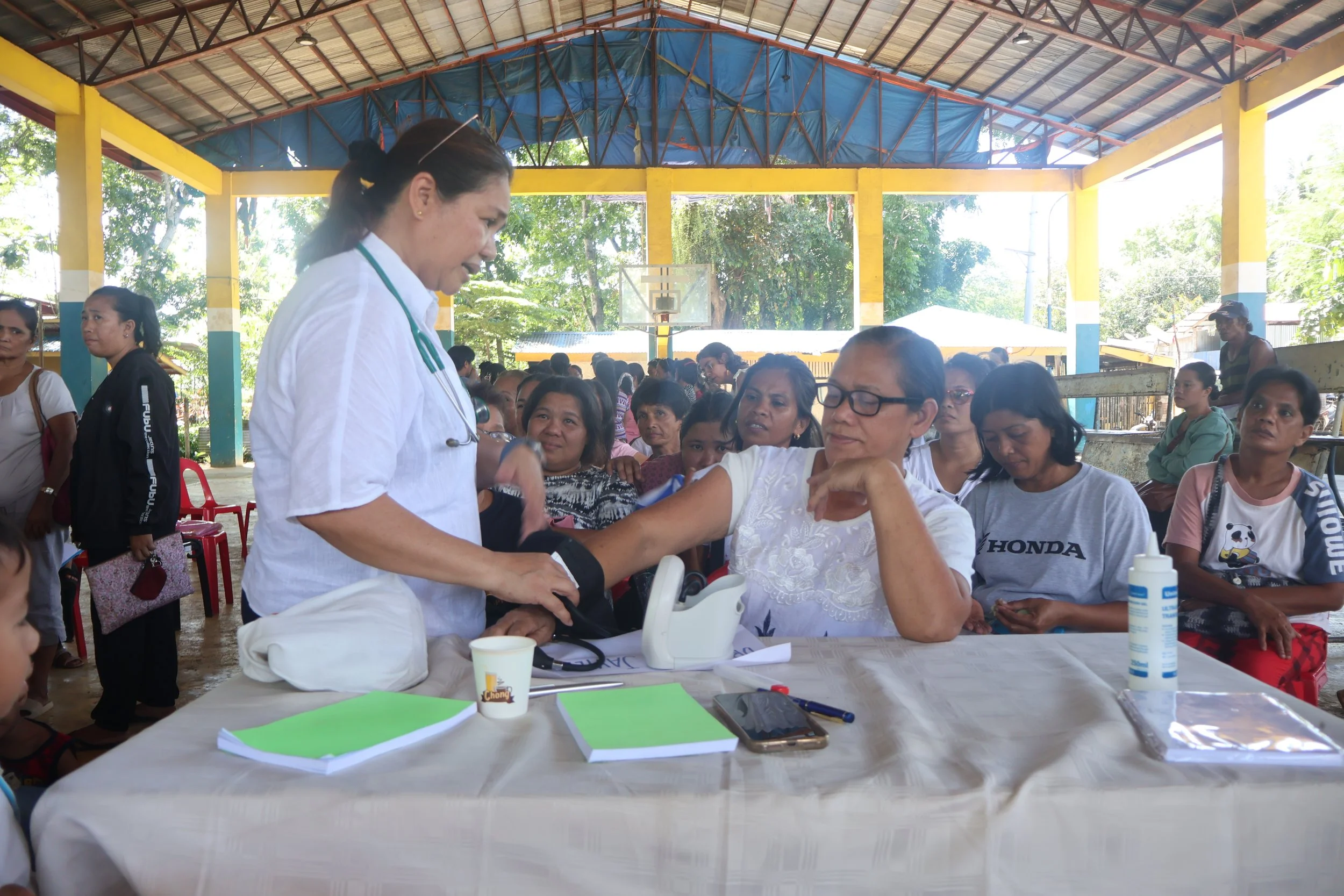
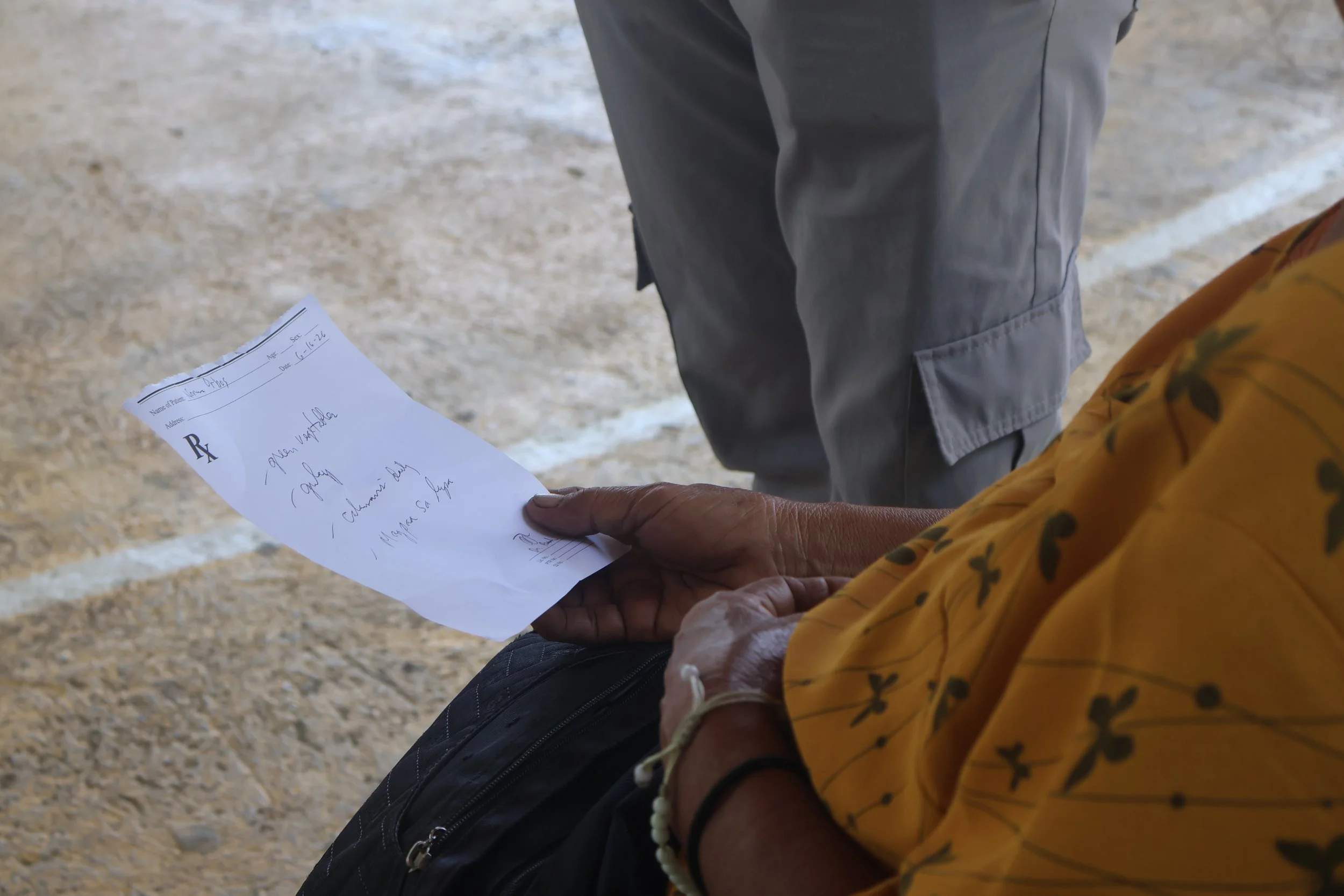
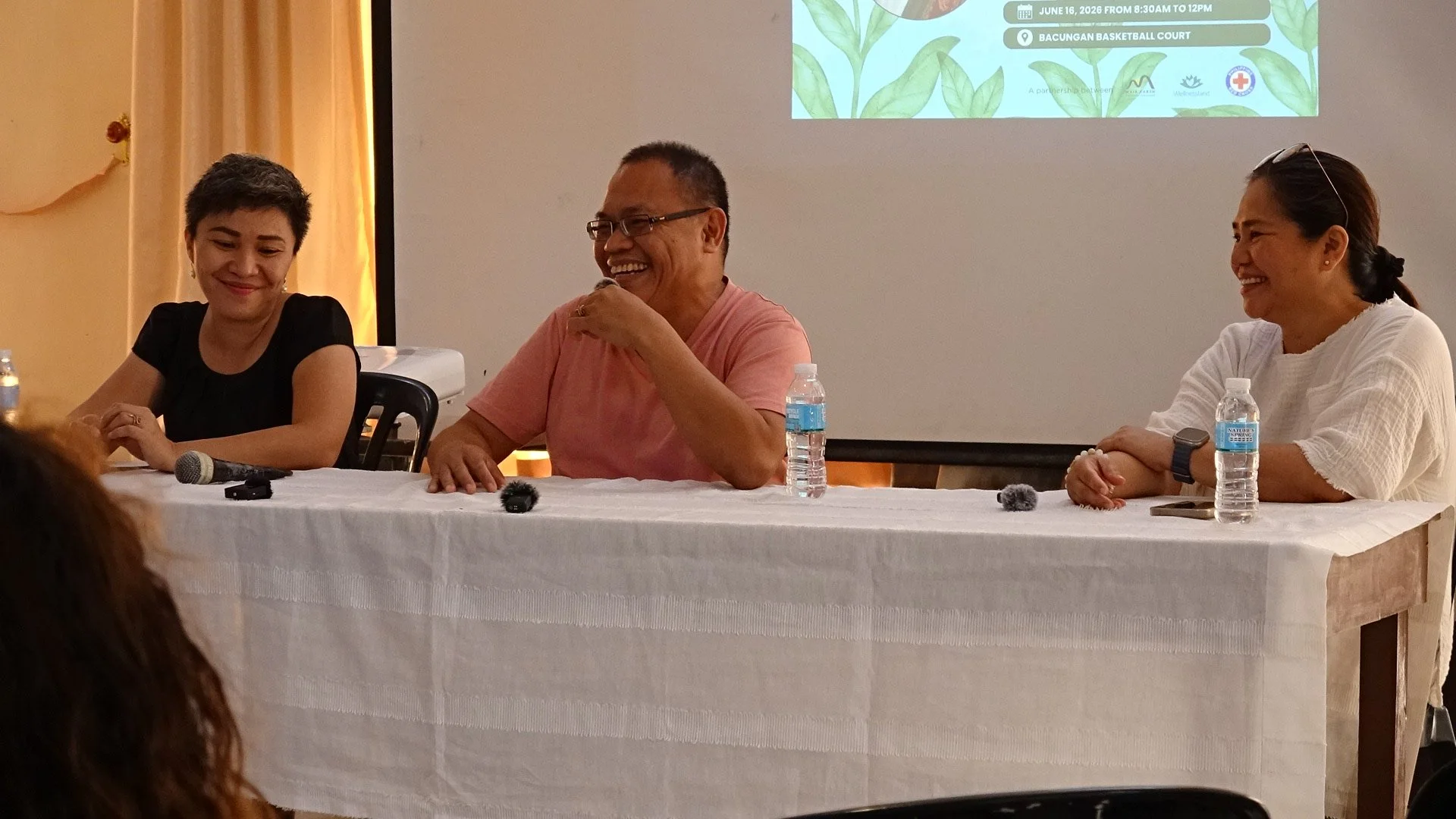
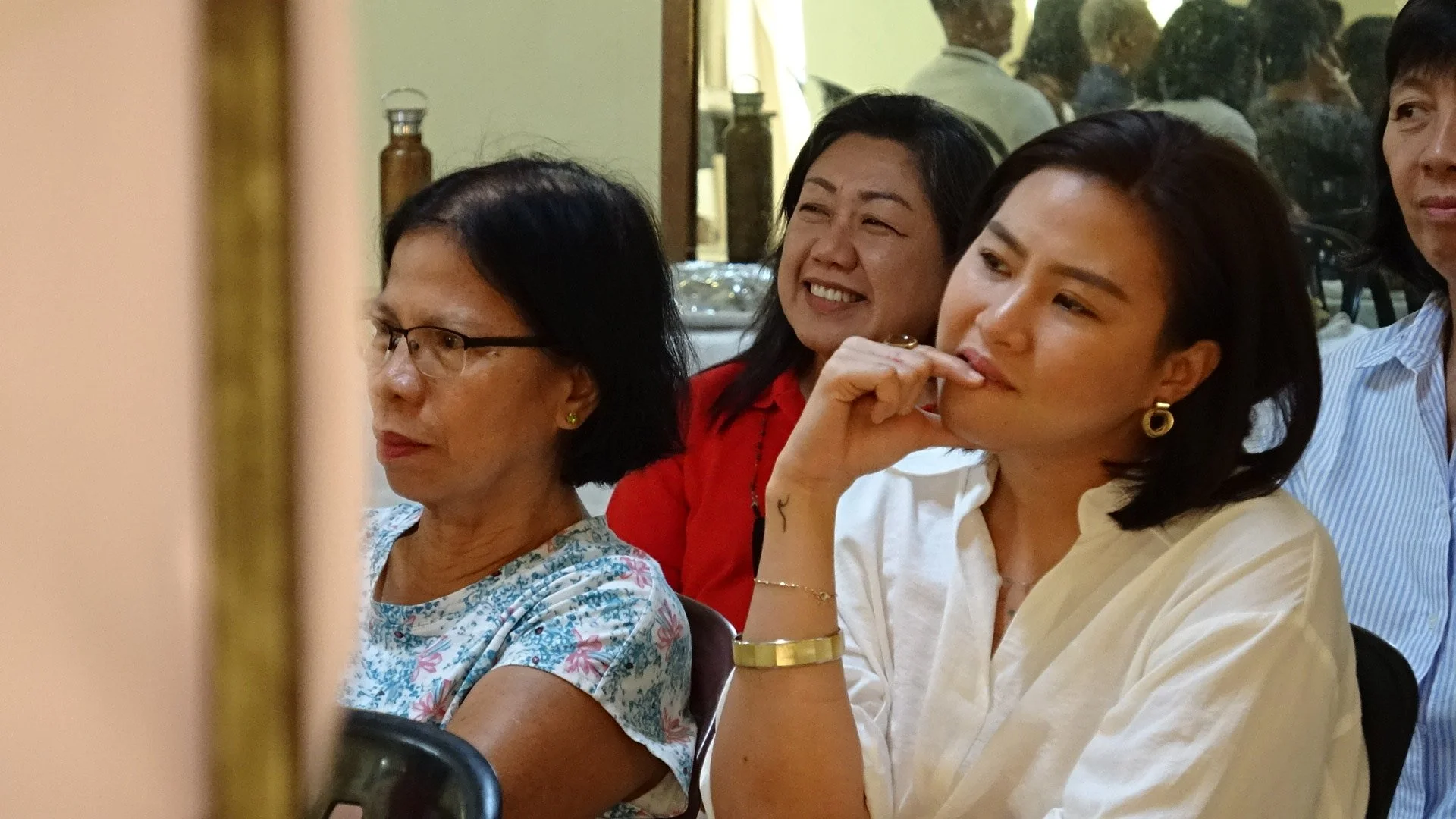
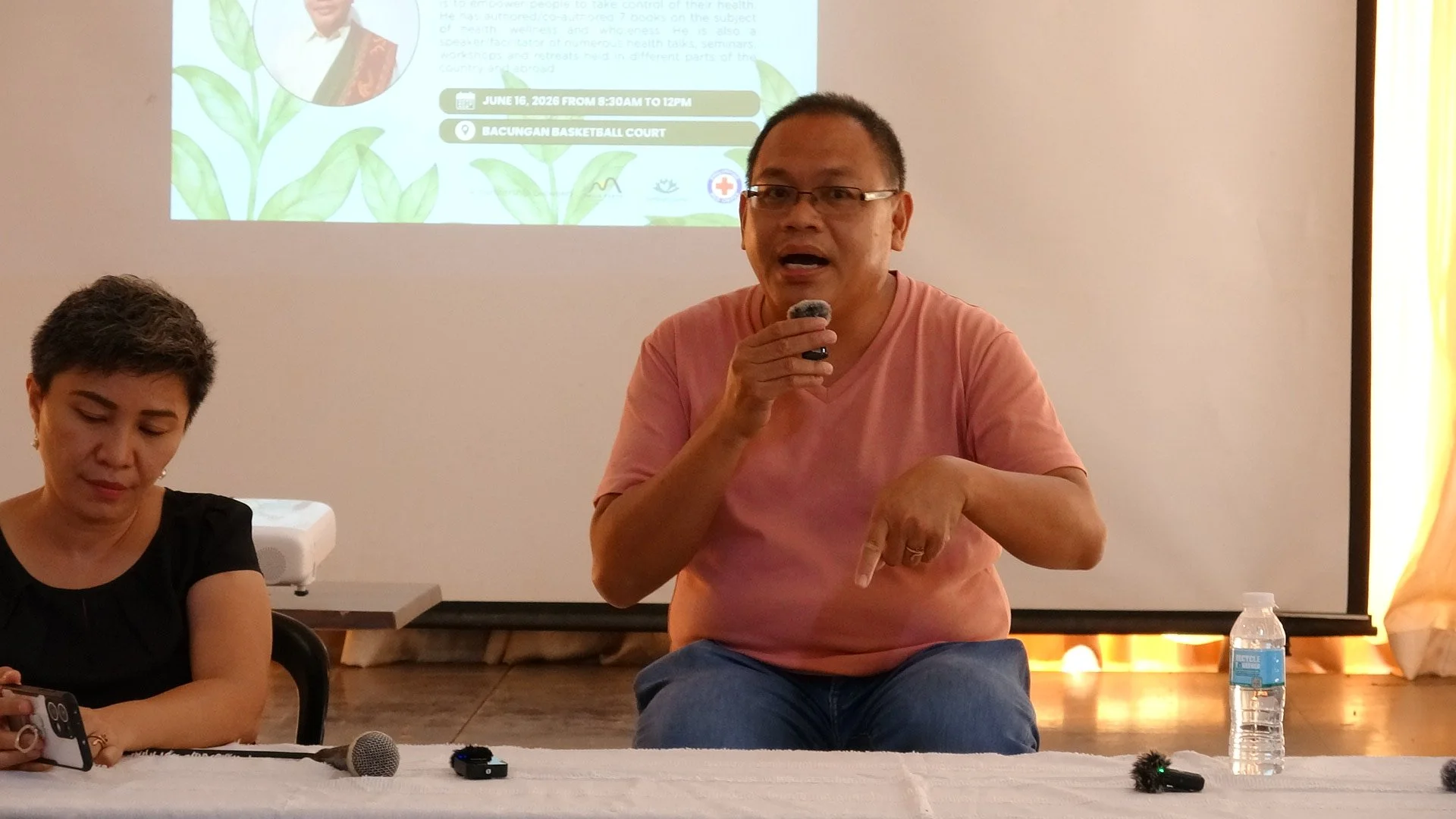
The first gathering took place in Barangay Bacungan, where residents were invited to participate in an open community dialogue on health and wellbeing. Alongside the public discussion, free consultations were offered to local residents, including dedicated consultations for pregnant women.
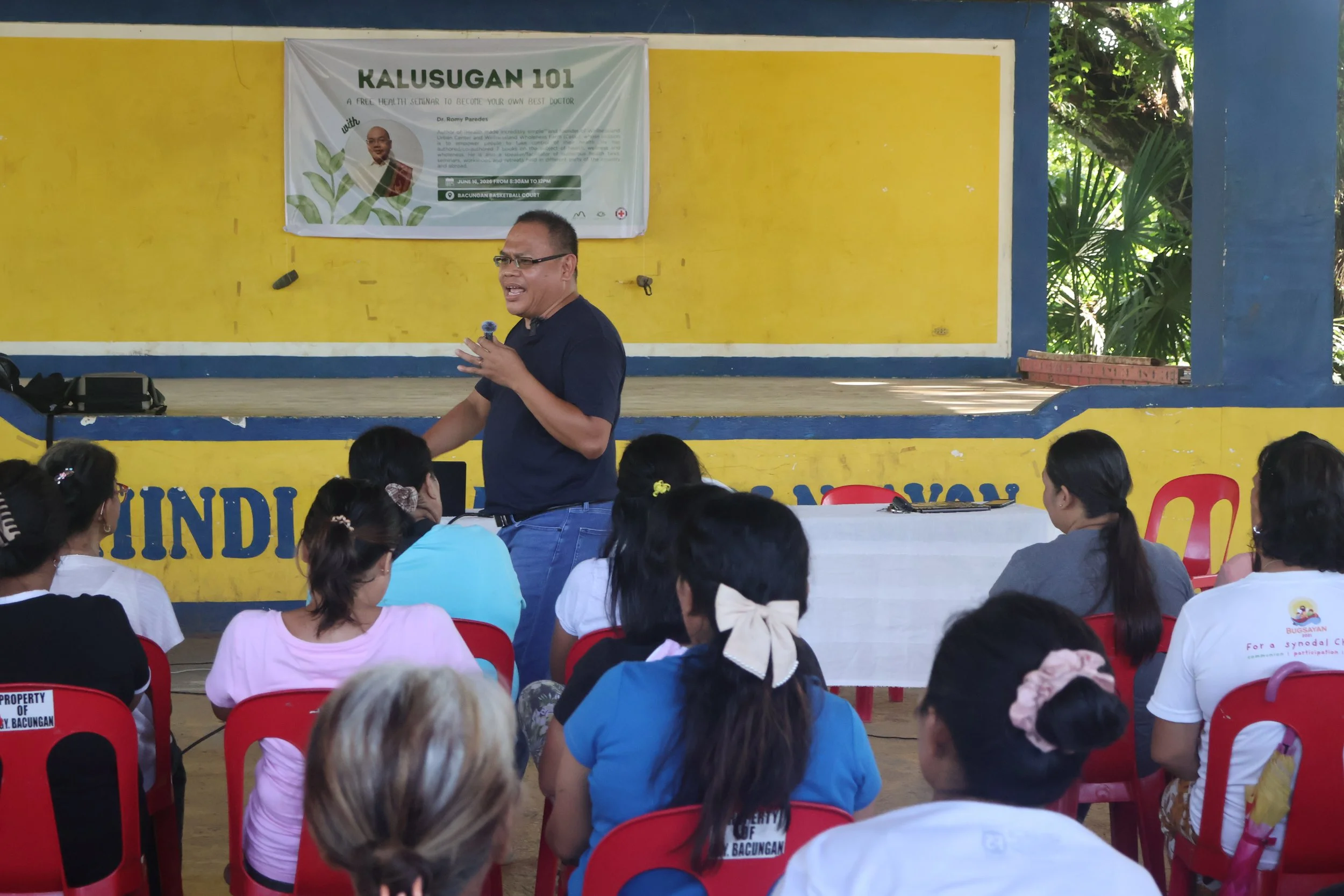
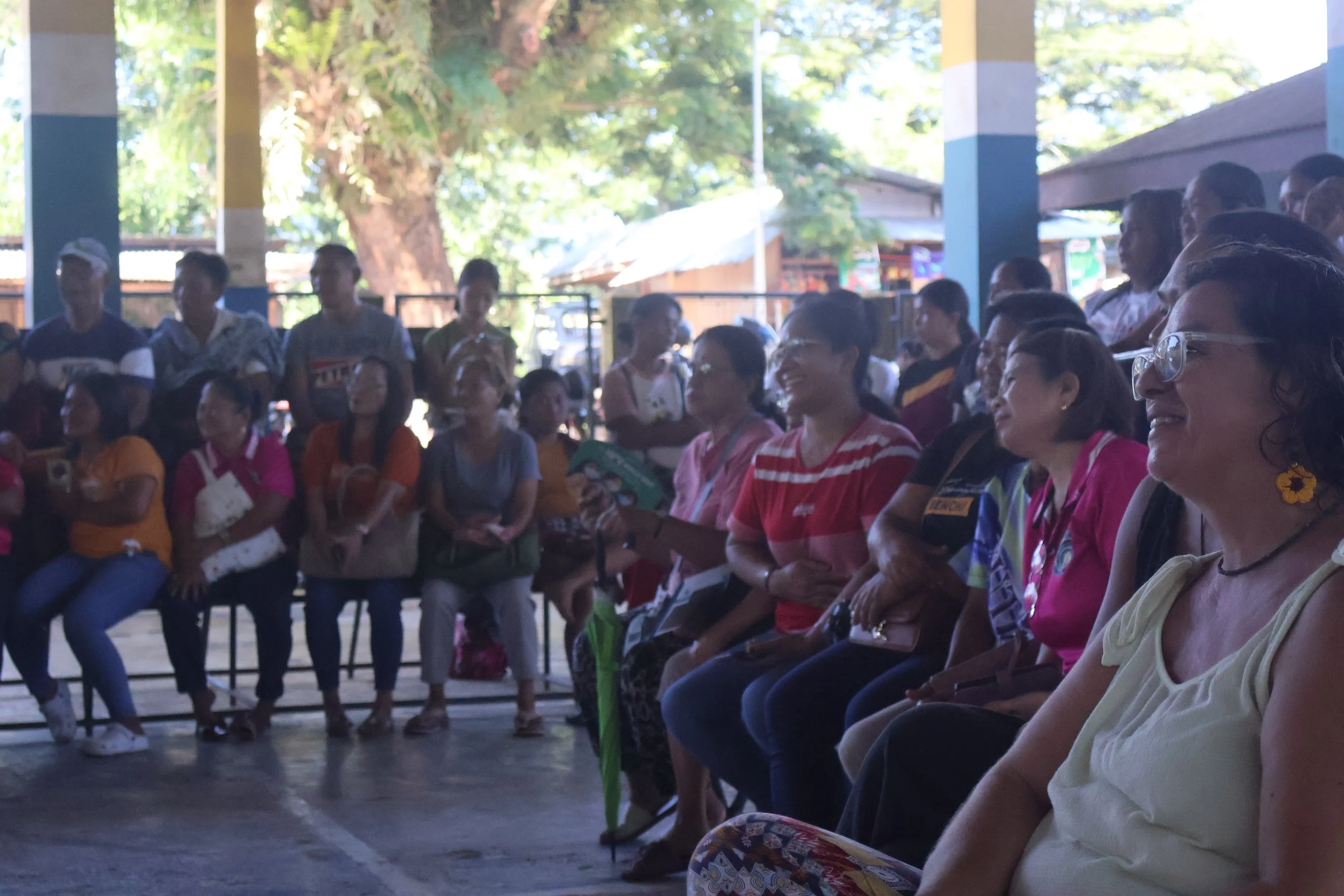
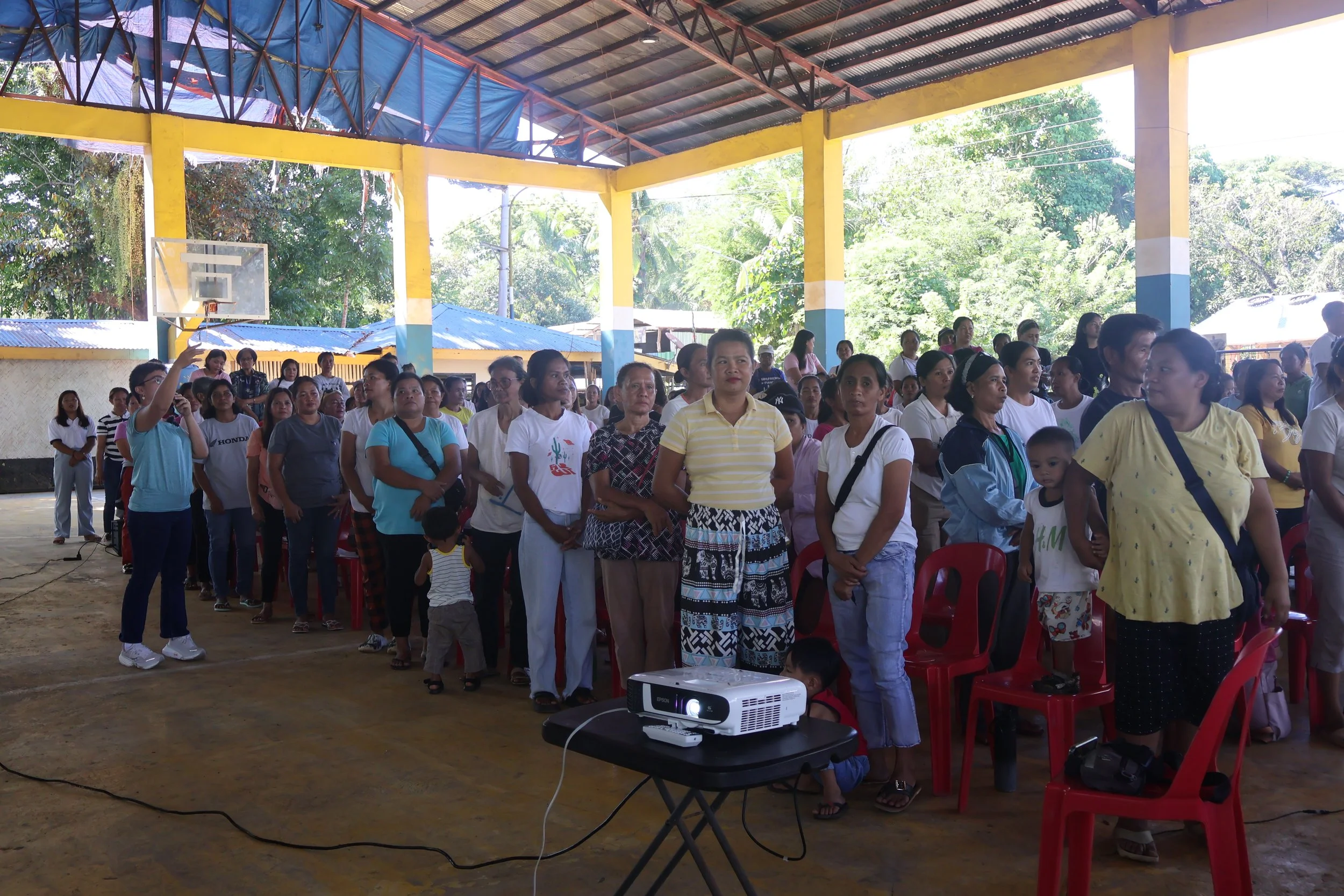
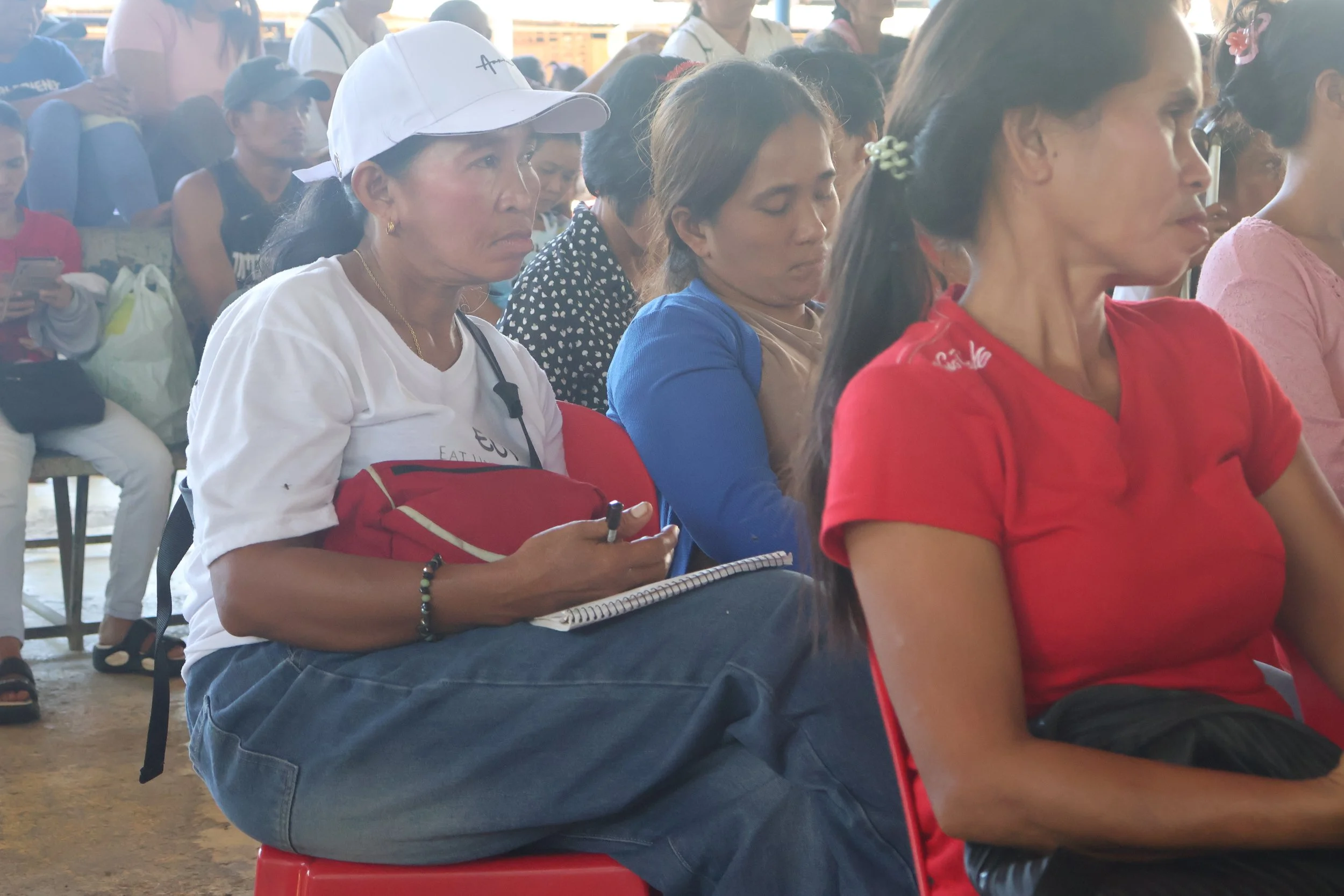
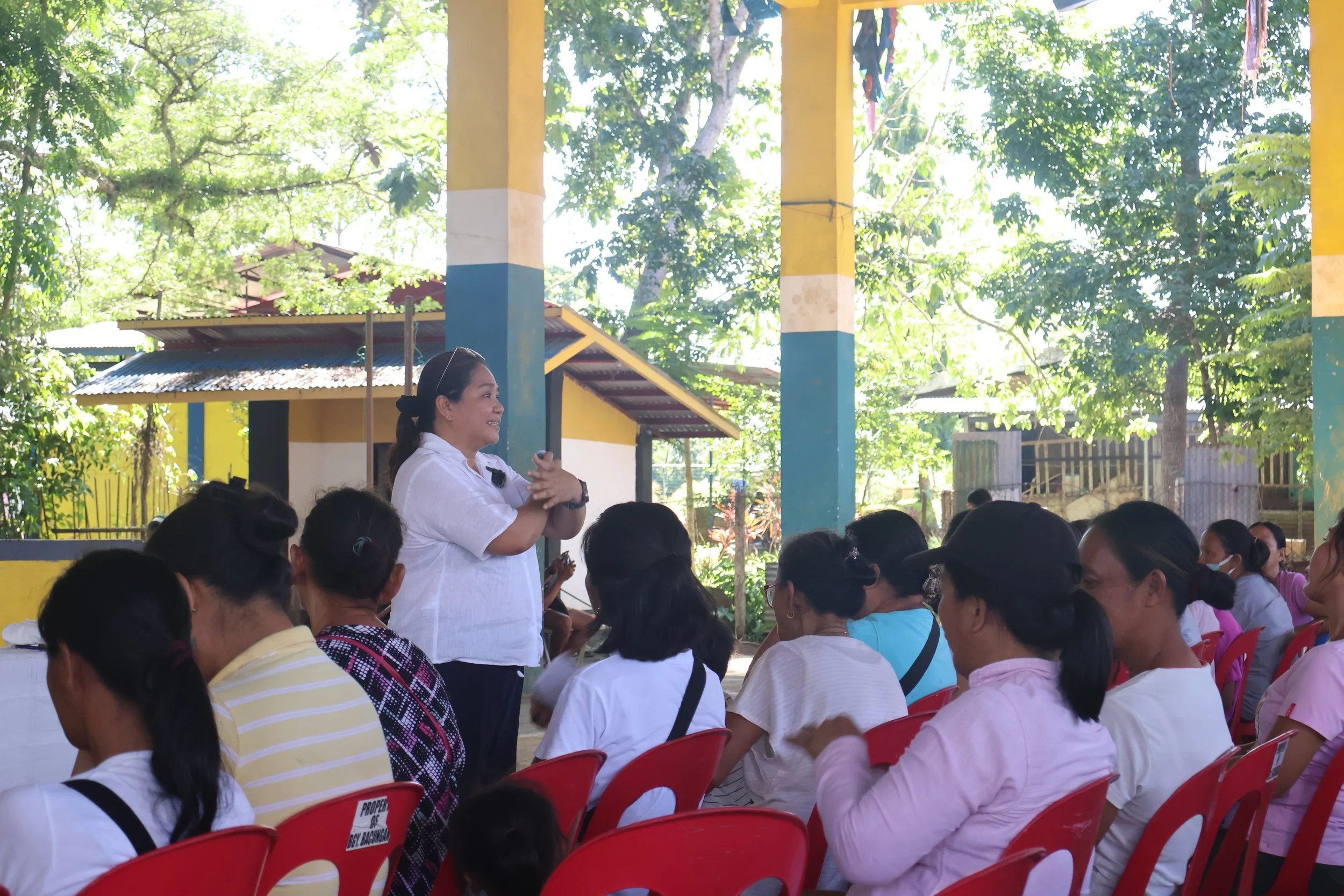
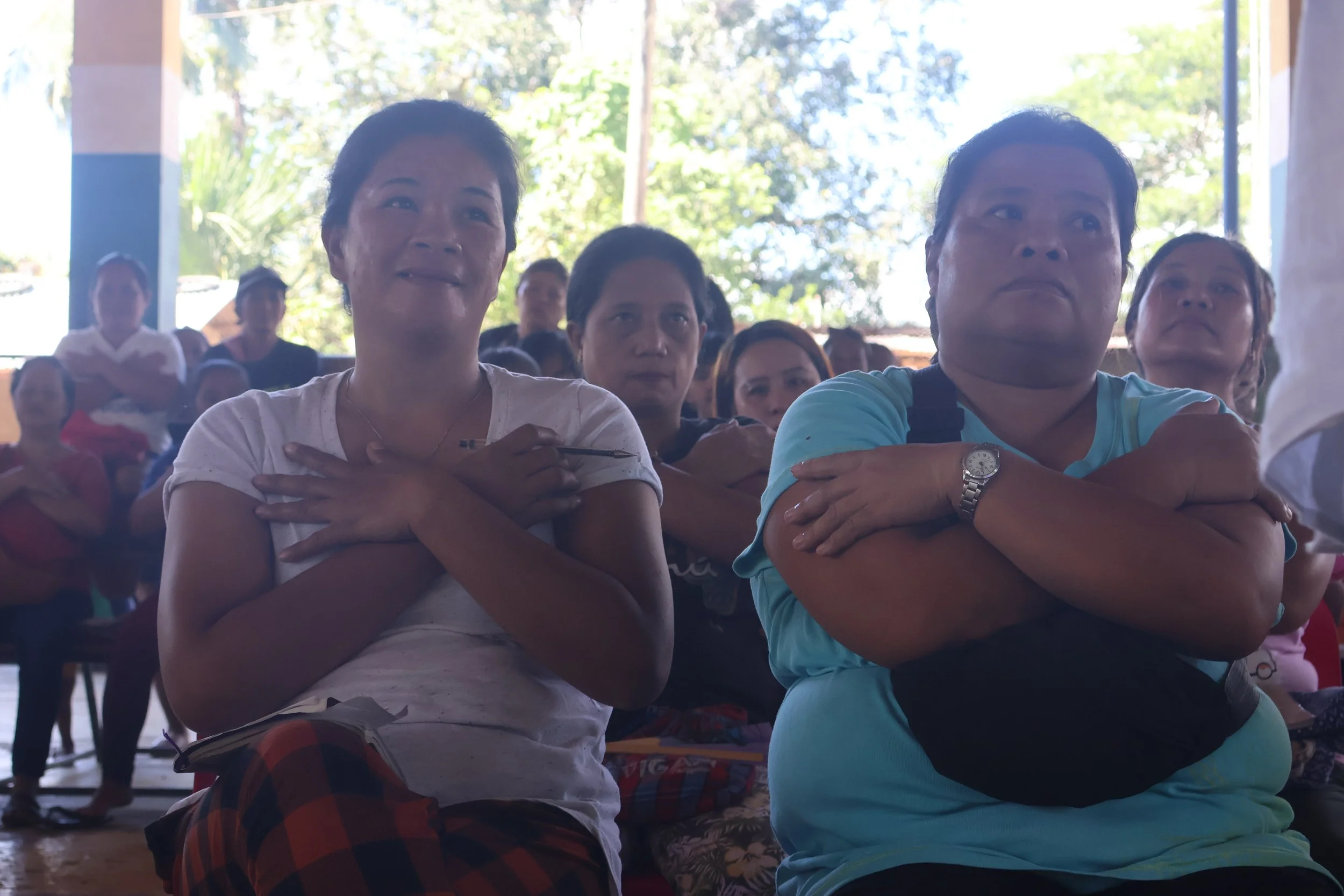
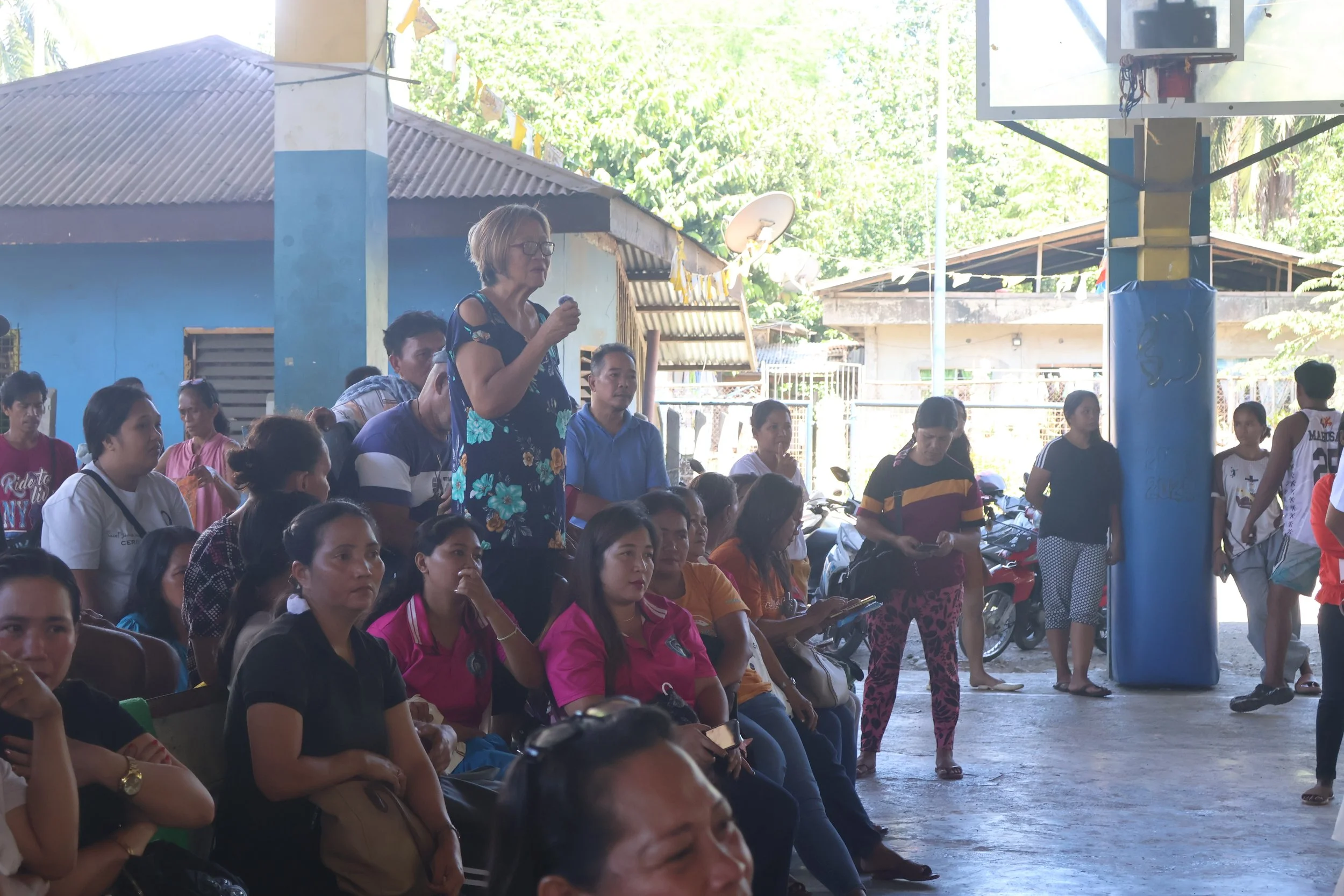
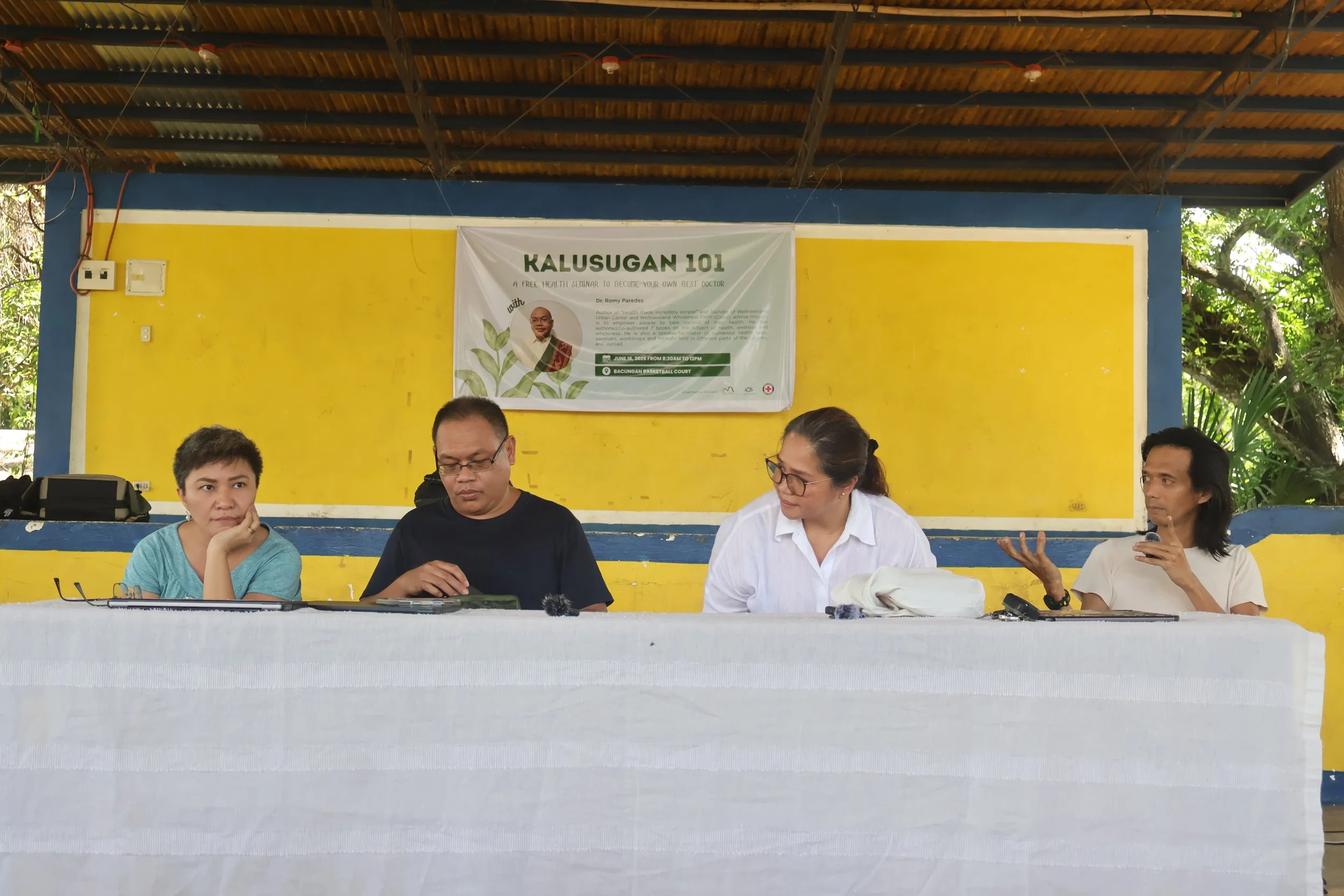
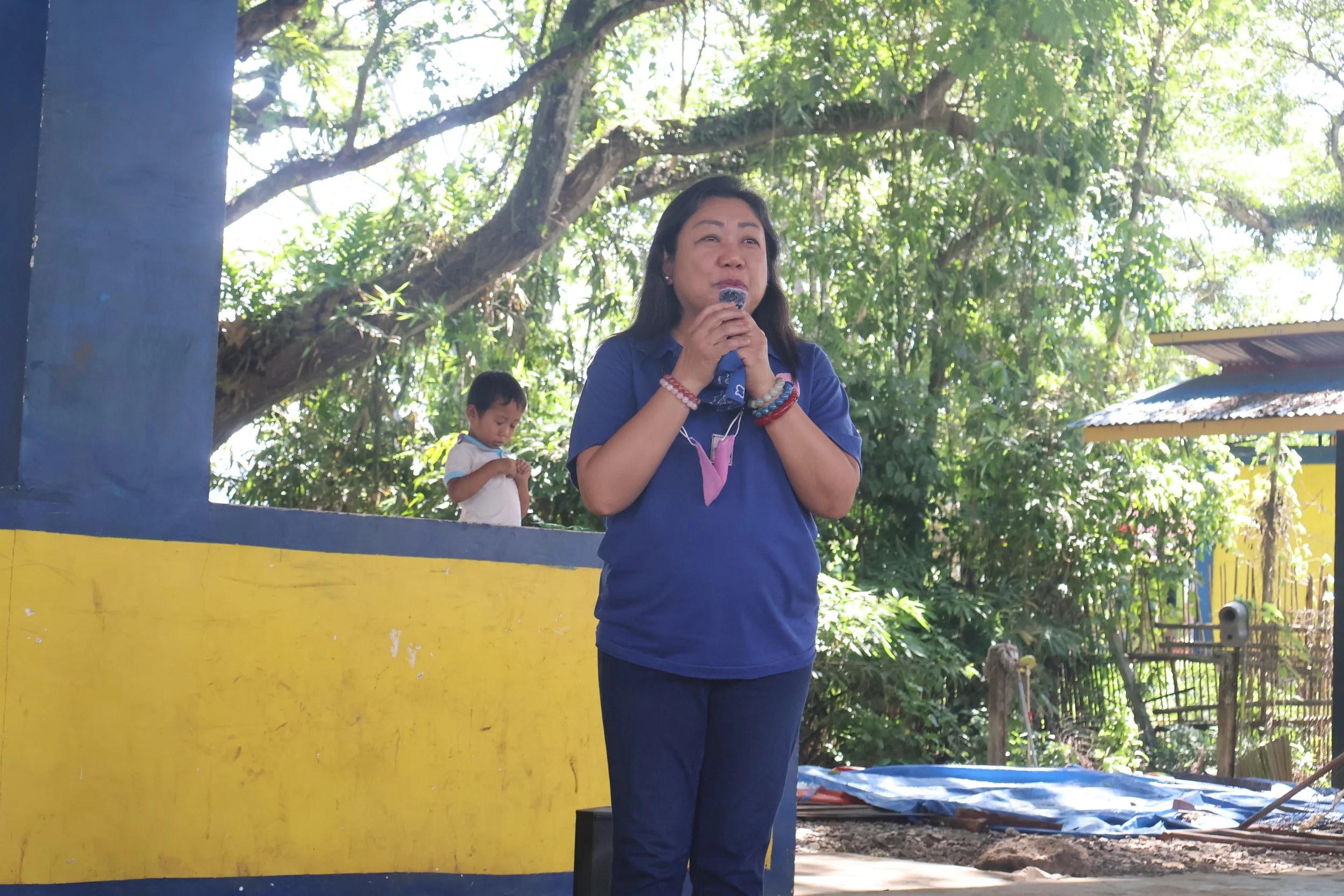
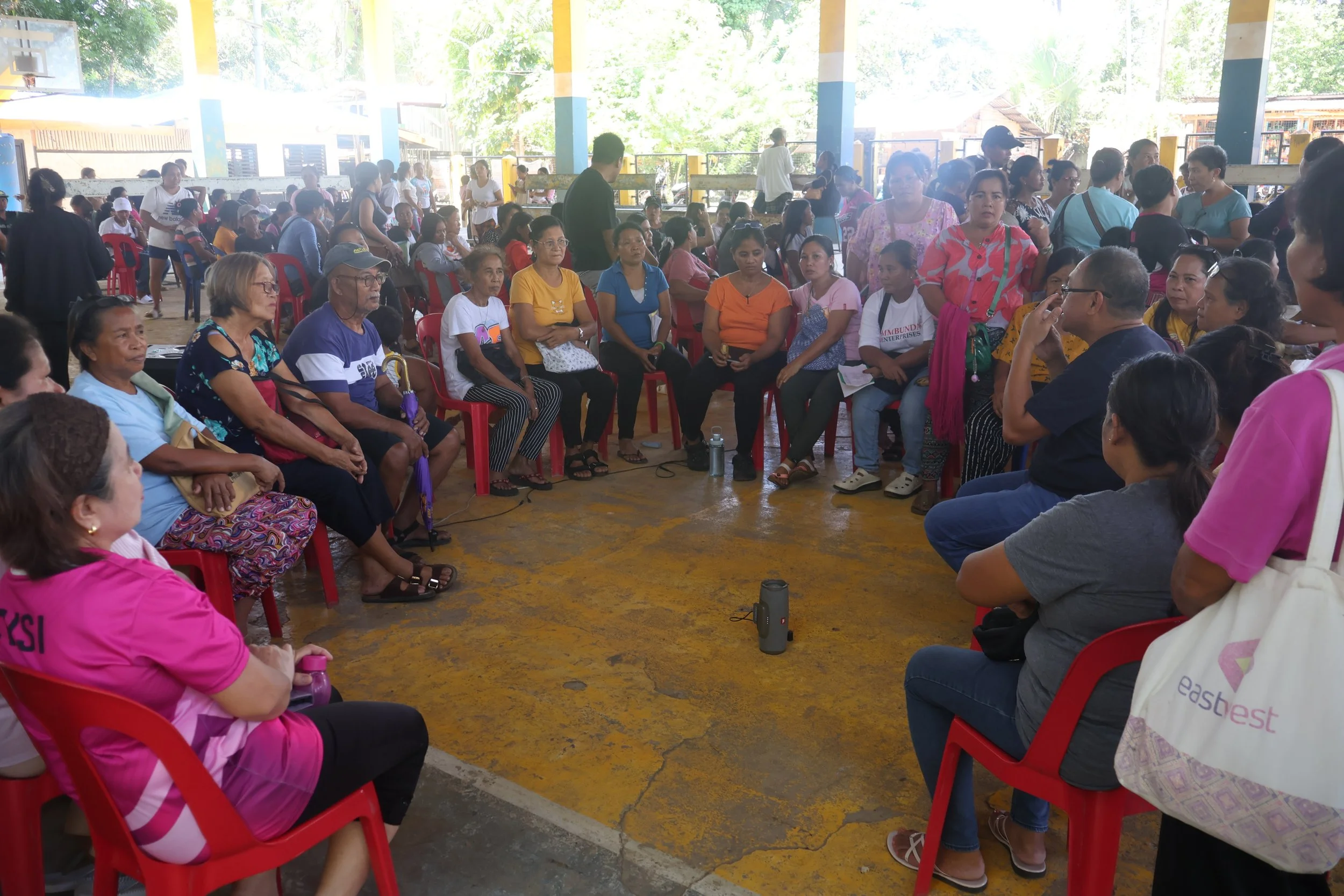
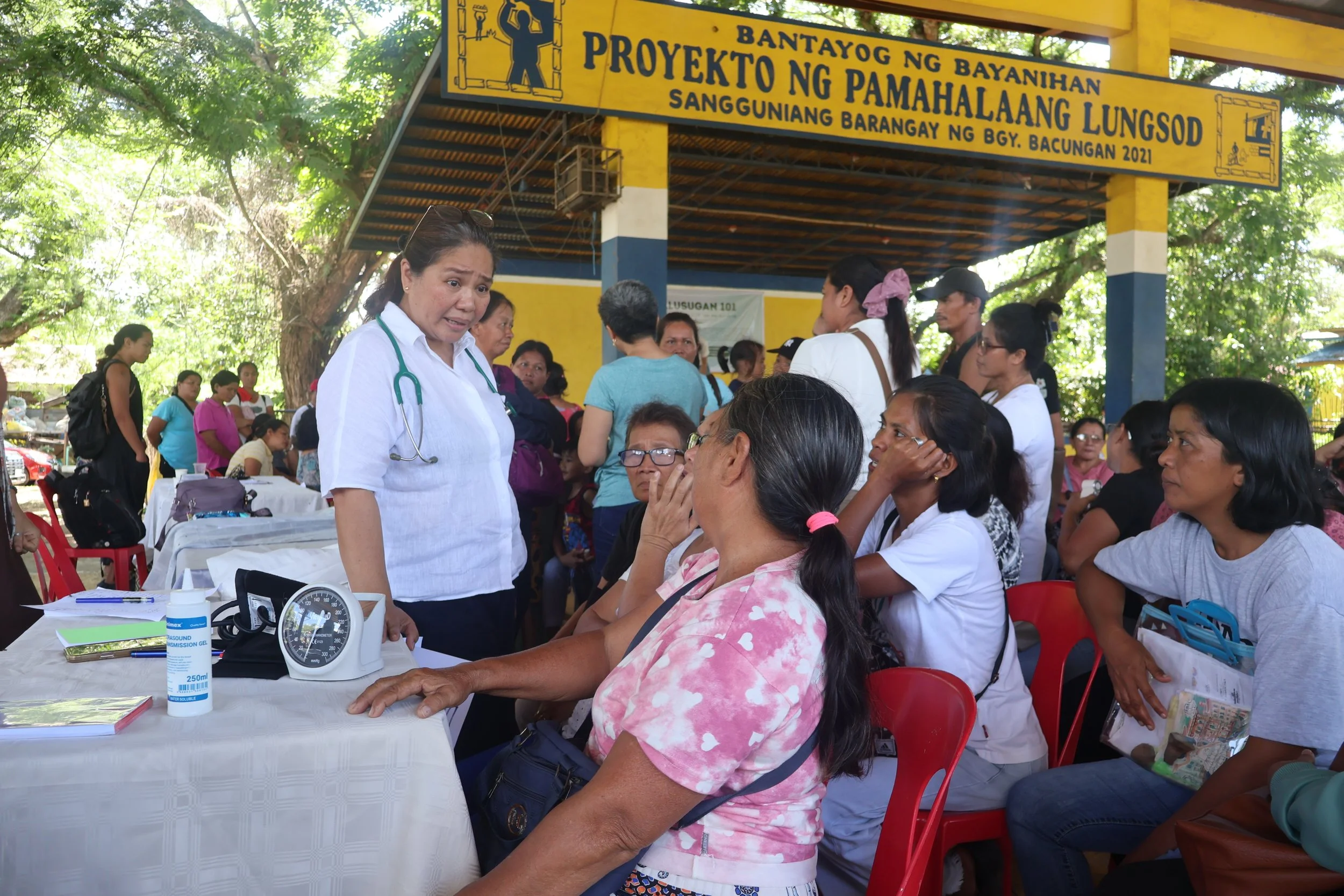
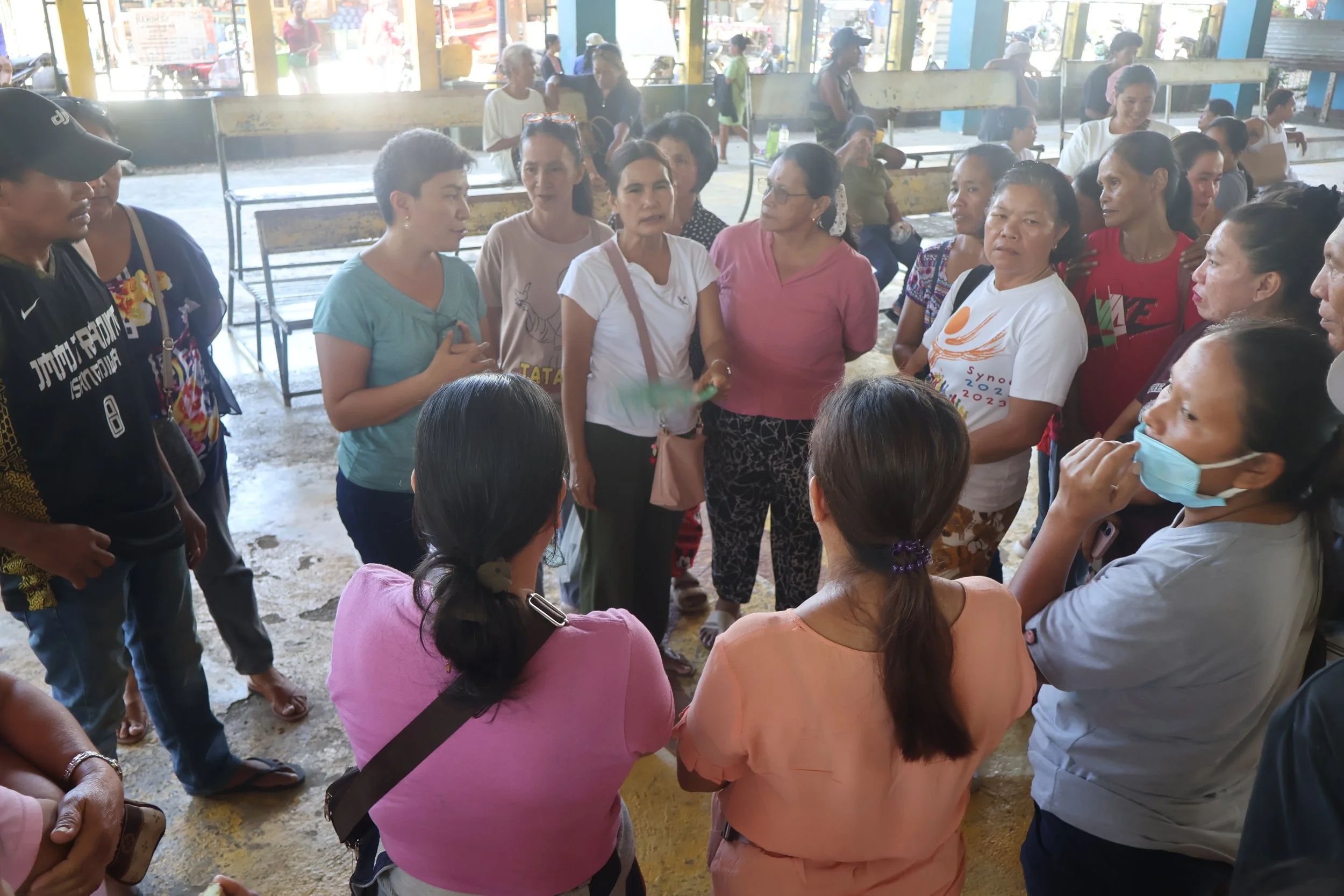
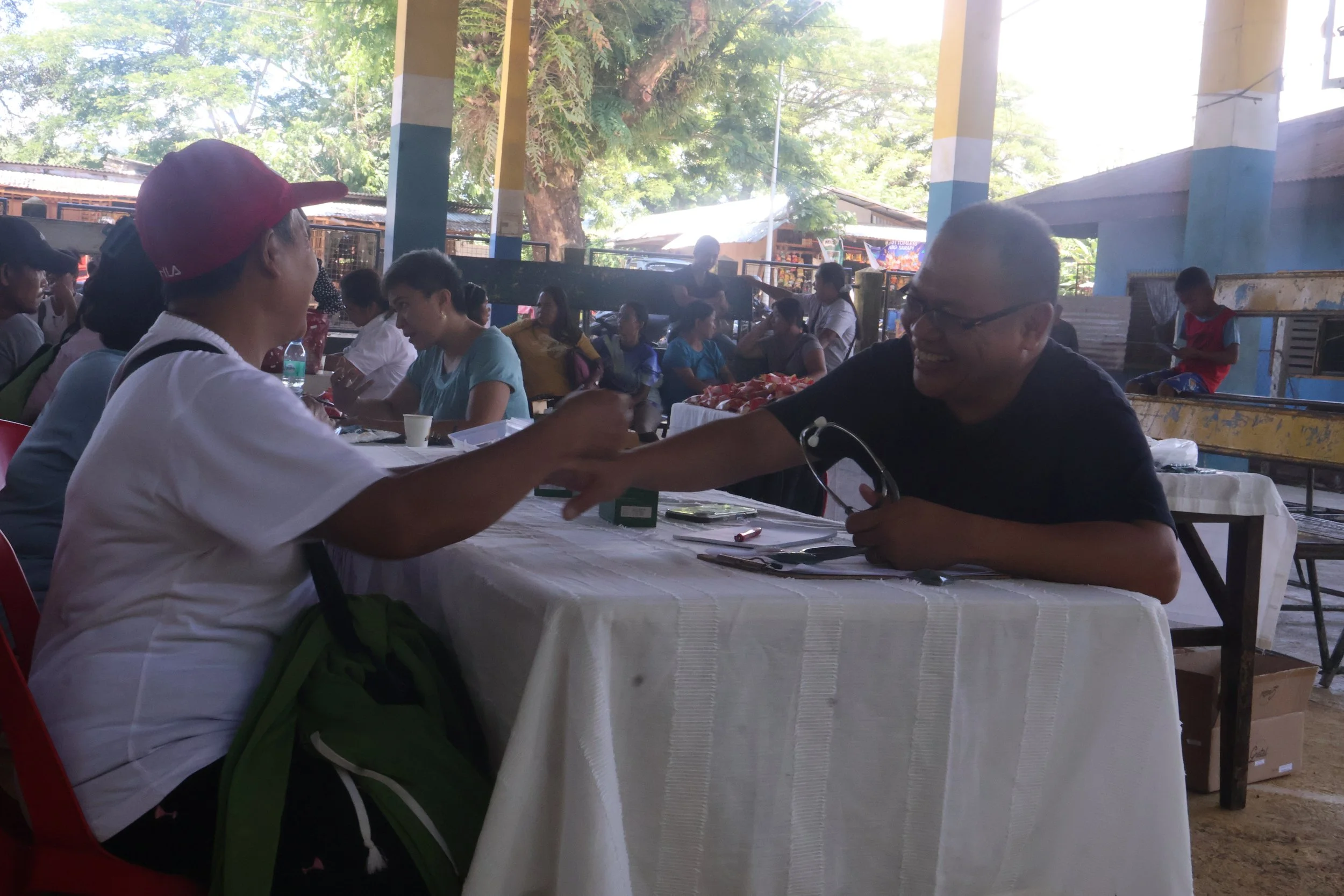
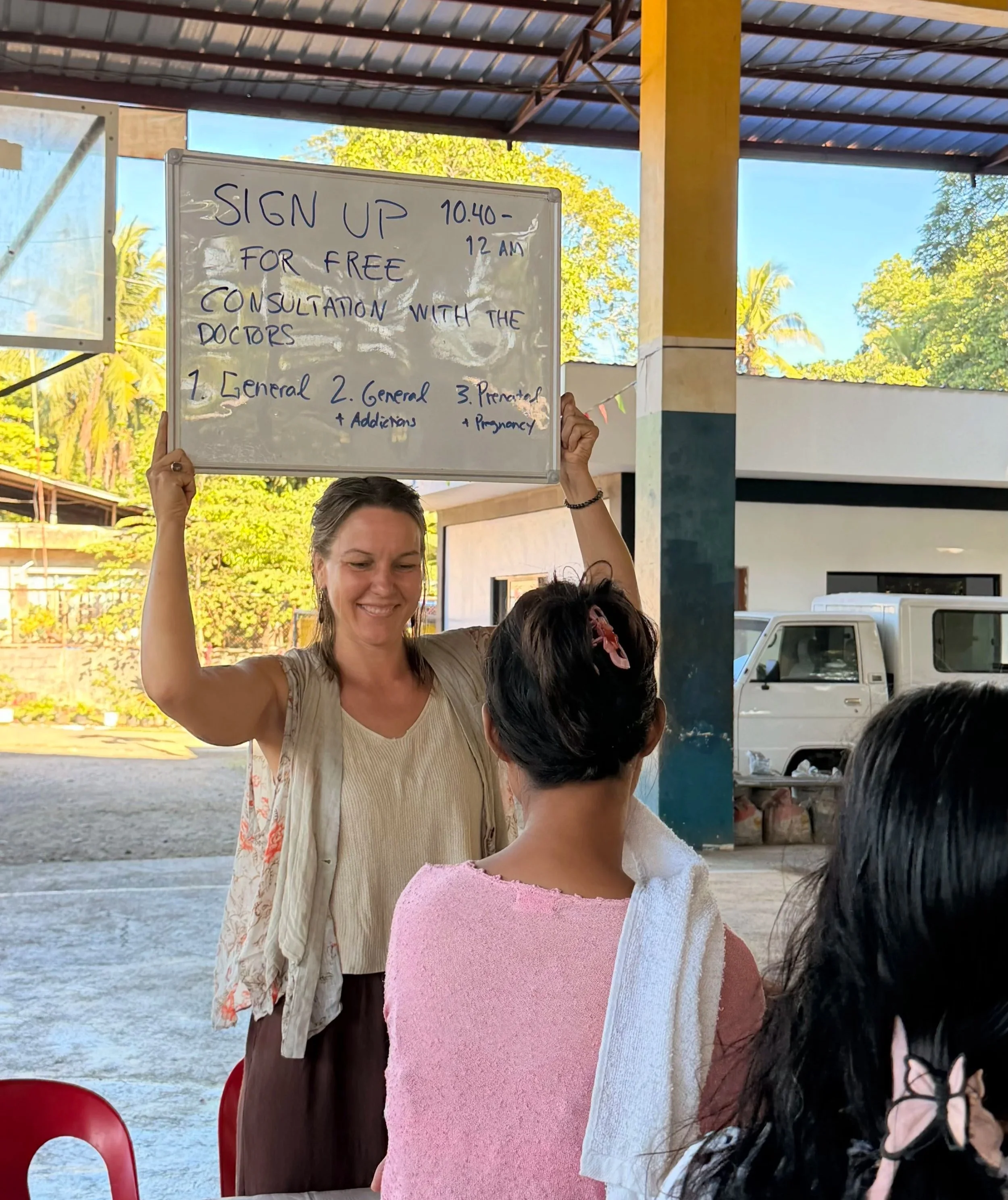
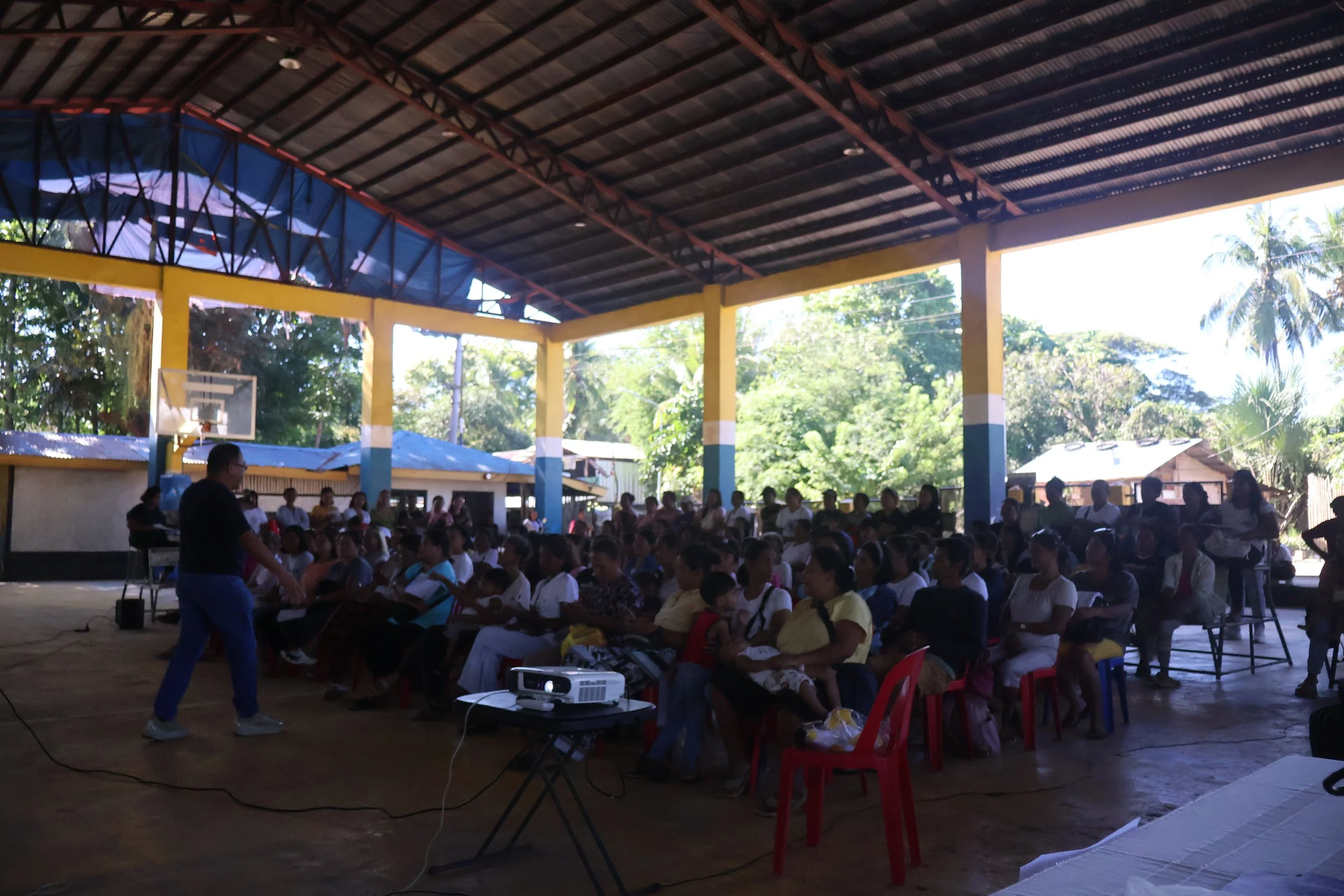
The second event, held in Puerto Princesa City, welcomed participants from across the city for an open conversation exploring practical ways of understanding health through everyday life. Both gatherings were guided by a shared philosophy that knowledge is itself an important part of health. Rather than focusing only on the treatment of illness, the conversations encouraged participants to develop a deeper understanding of their own bodies, the choices that influence long-term wellbeing, and the role that nutrition, lifestyle, self-awareness, and prevention can play in supporting healthier lives. In this perspective, healthcare is not only something received from professionals—it is also something cultivated through learning, reflection, and informed participation.
The discussions also explored the role of contemporary healthcare systems with openness and curiosity. Participants were encouraged to better understand how medical treatments are developed, when prescription medicines play an essential role, and how informed conversations with healthcare professionals can support better decisions. At the same time, the talks highlighted the importance of everyday practices that often receive less attention: nourishing foods, plant-rich diets, movement, rest, emotional wellbeing, and the many ways people can actively care for their health before illness becomes the primary focus.
One of the defining qualities of both events was their conversational atmosphere. Alongside the presentations, each gathering included an open panel where participants were invited to ask questions, share experiences, and engage directly with the speakers. Dr. Romy Paredes has a remarkable ability to translate complex medical ideas into clear, practical conversations, often using humour, stories, and everyday examples that make health feel less intimidating and more accessible. Together with Dr. Jane Jacel and Joan Javier, the discussions encouraged participants to see health not as something distant or overly complicated, but as something that can be understood, explored, and supported through everyday choices.
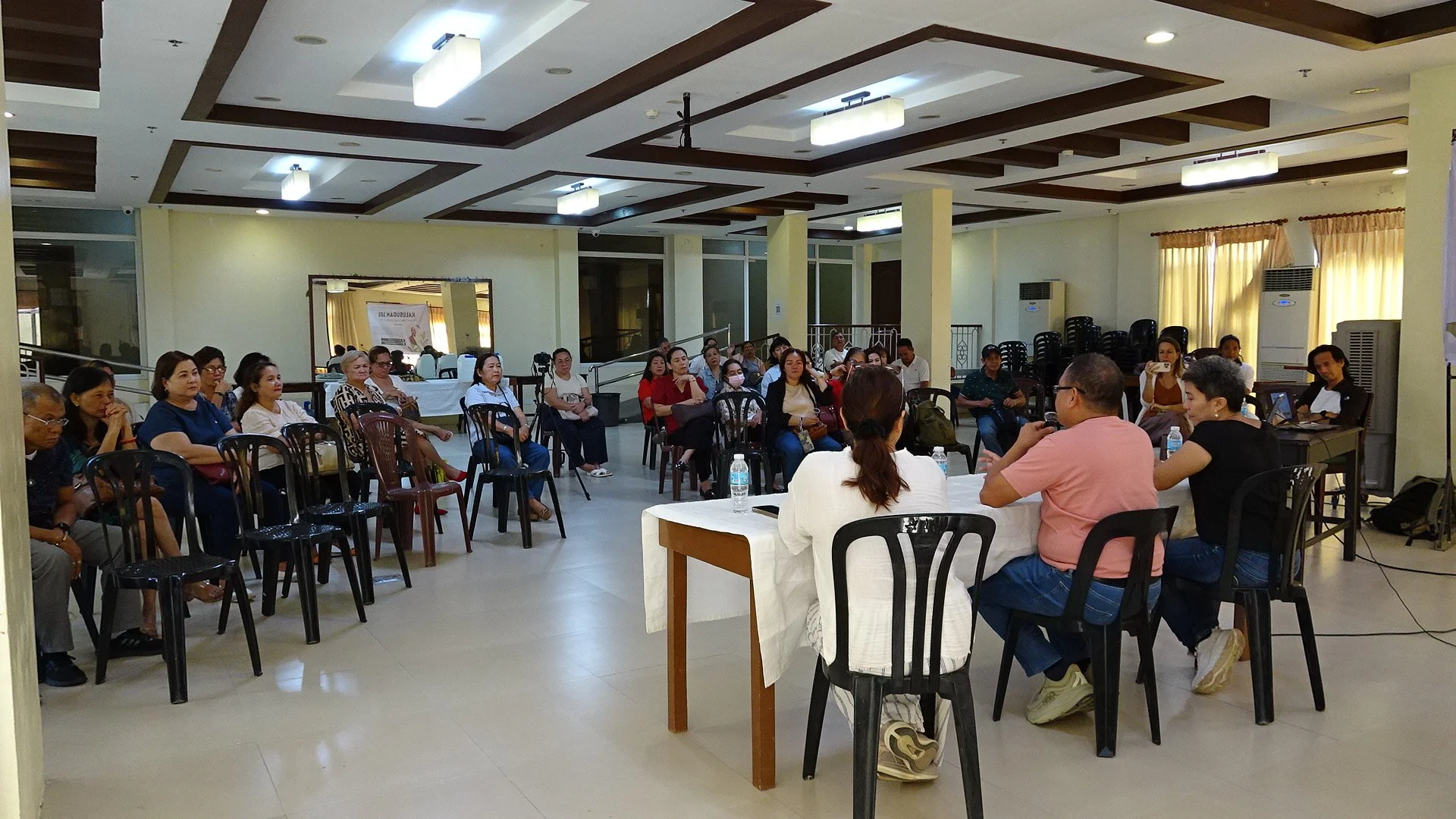
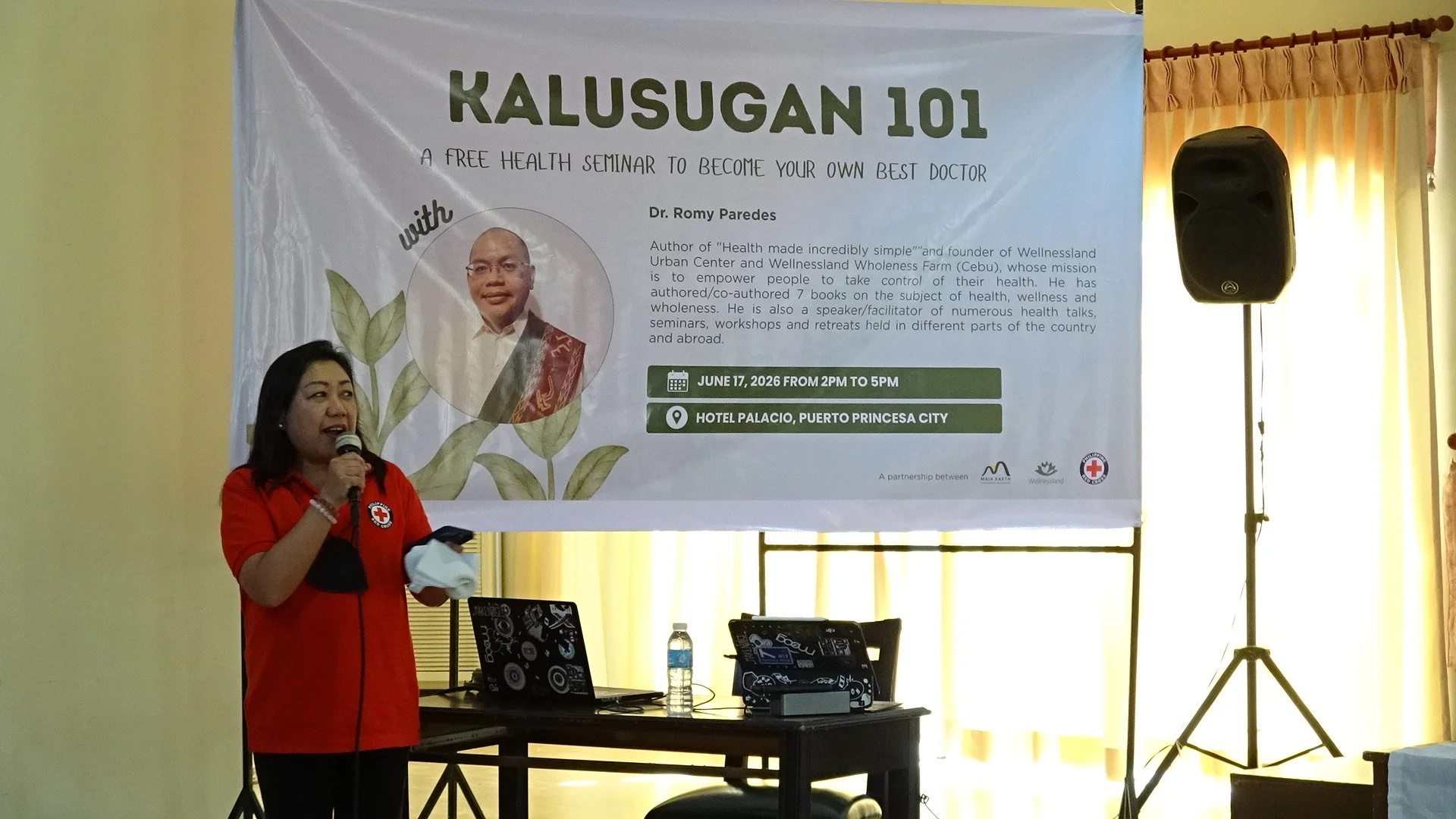
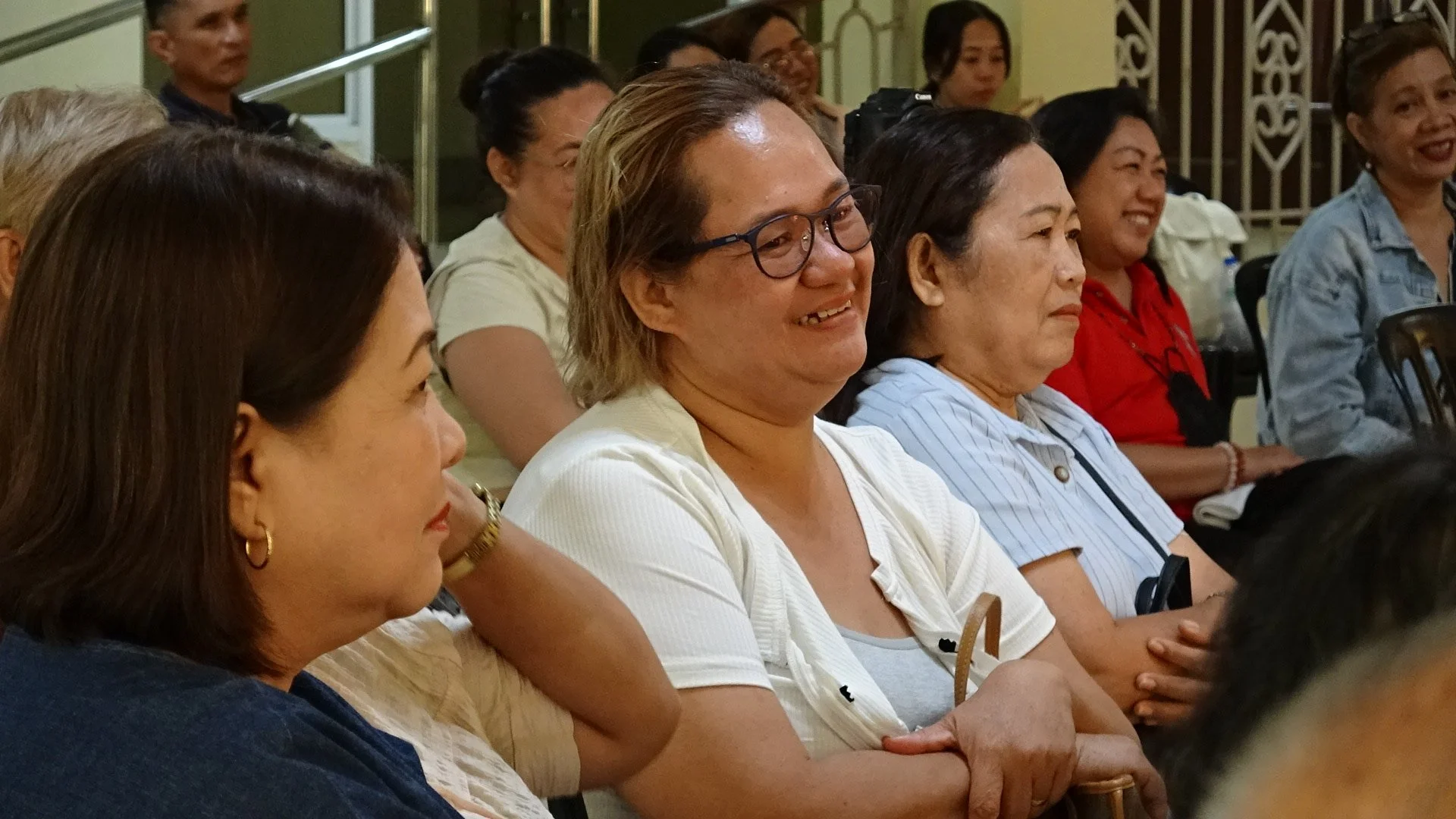
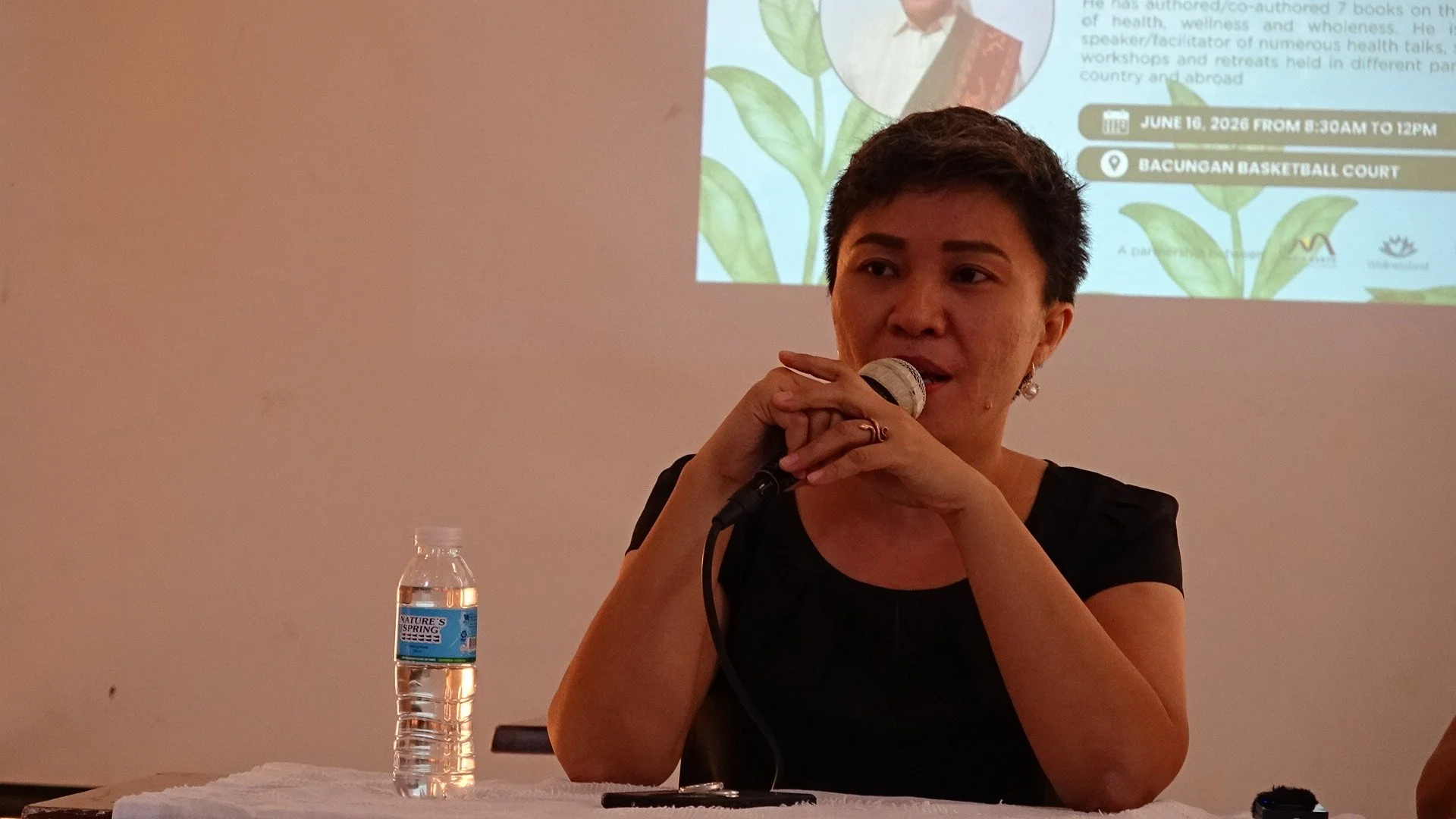
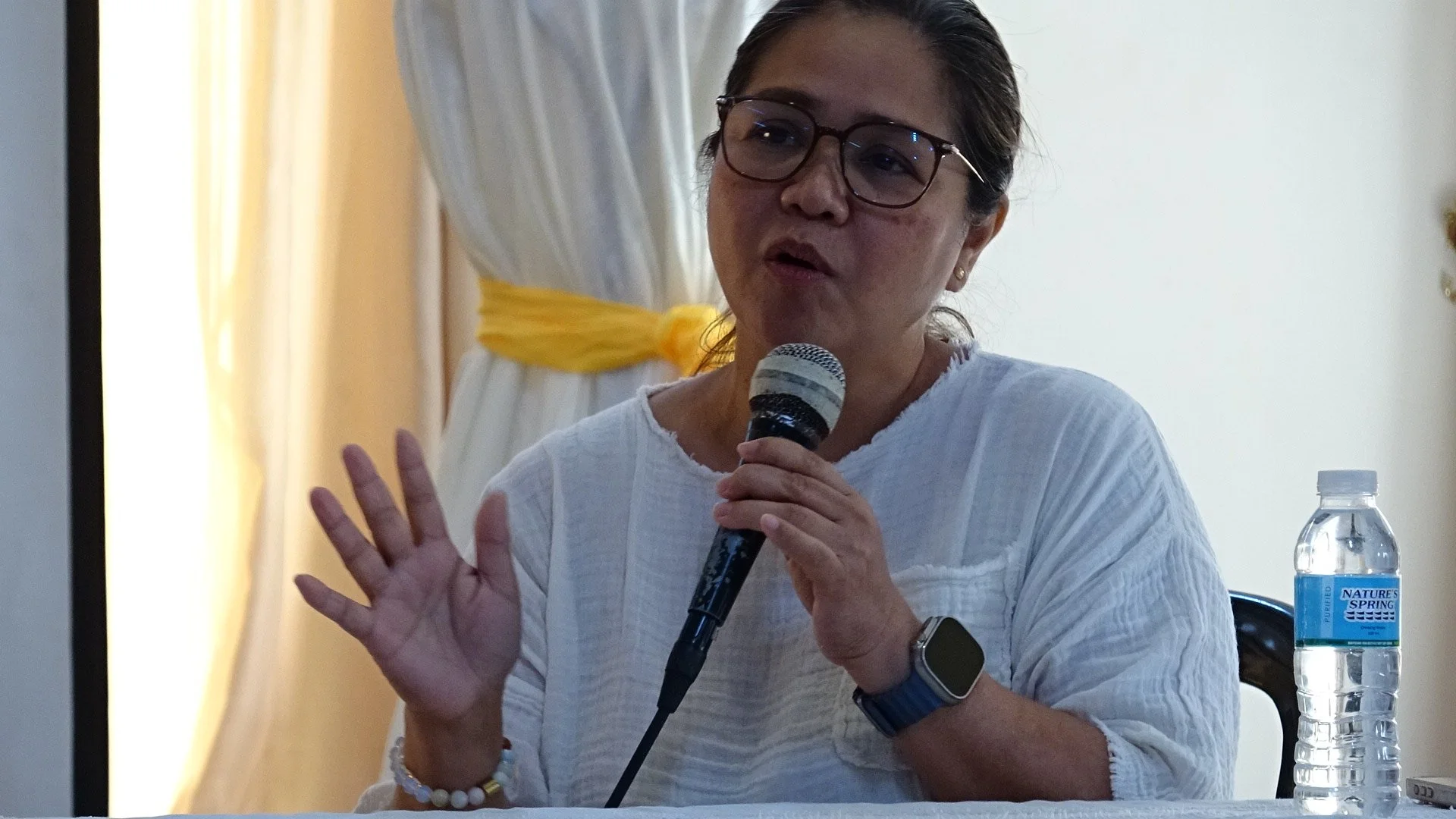
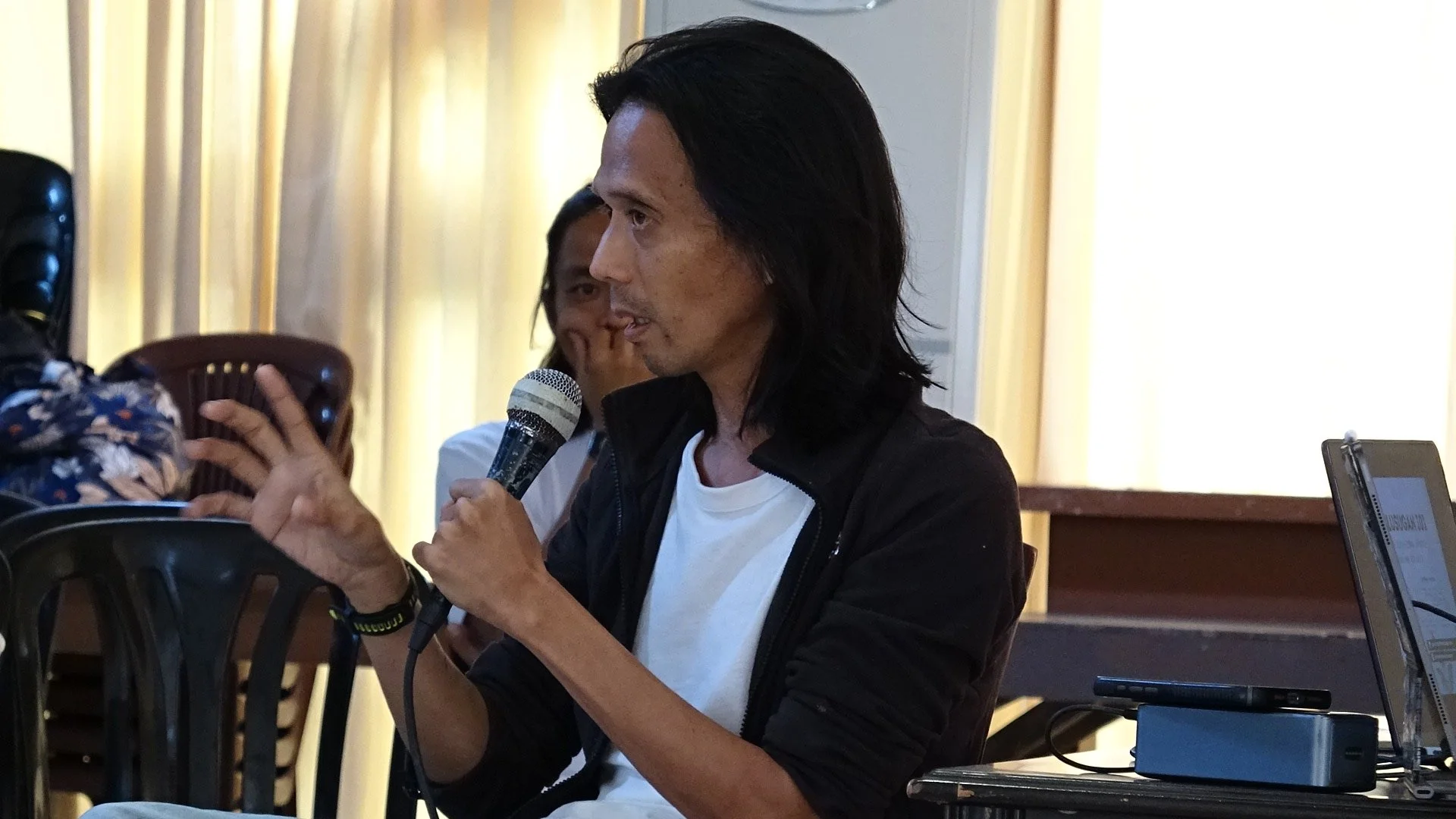
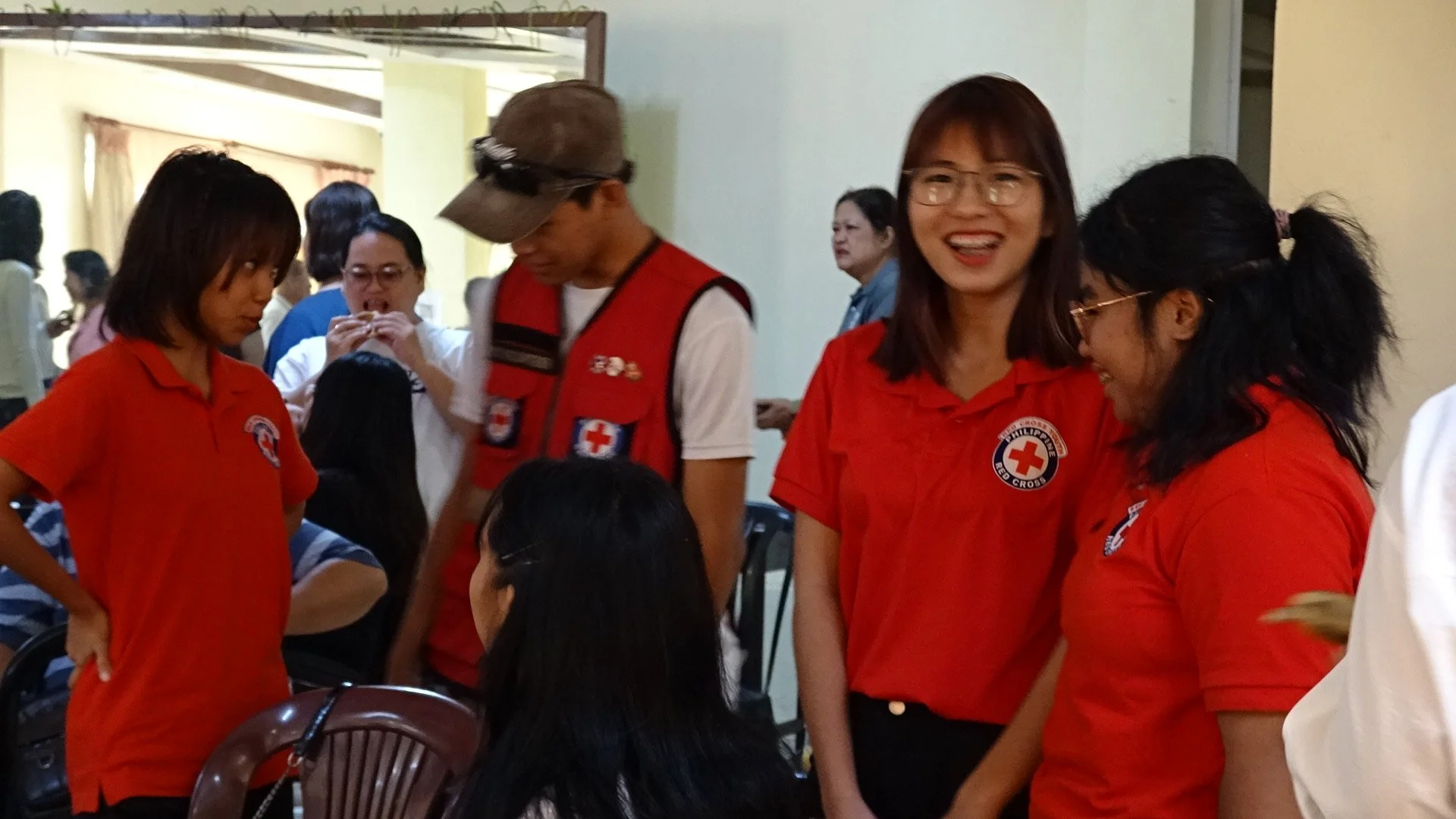
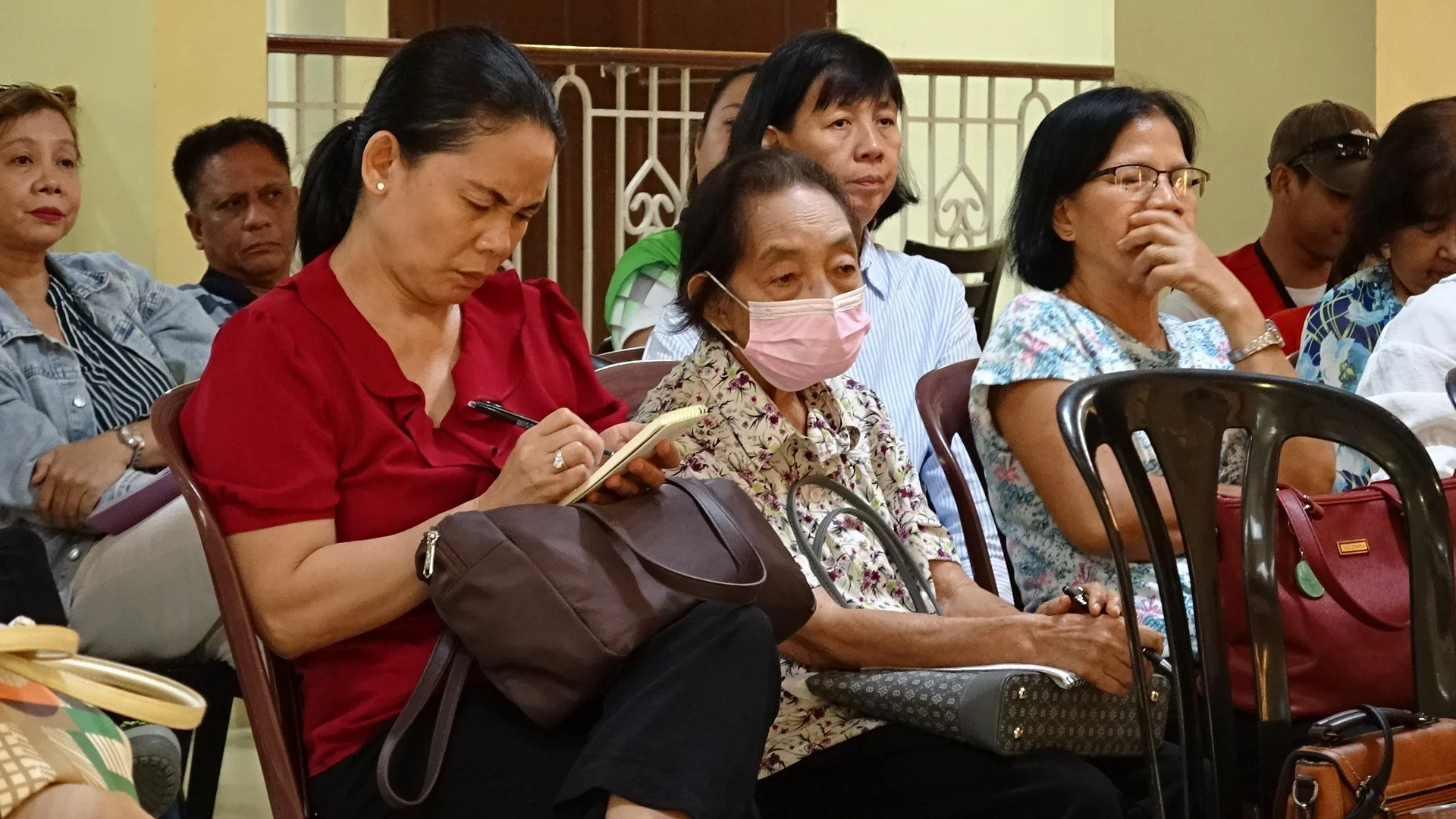
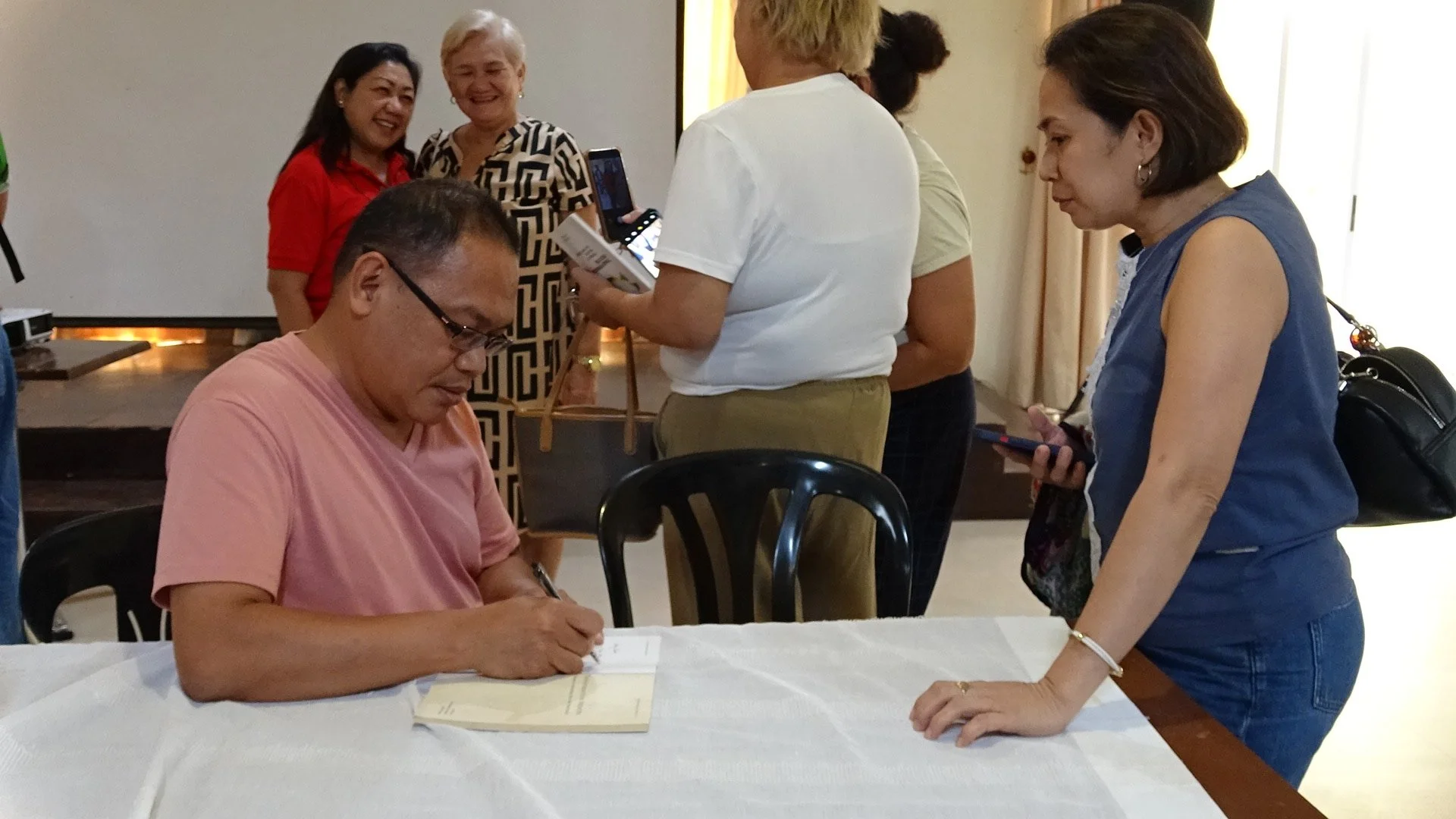
The city event also welcomed representatives from the Philippine Red Cross – Palawan Chapter, whose presence contributed to the spirit of dialogue and collaboration that characterized the gathering. Bringing together health practitioners, humanitarian organizations, and members of the public created another opportunity to exchange perspectives and strengthen local networks around health and wellbeing.
These gatherings were not intended to replace medical care, but to complement it by strengthening health literacy and encouraging people to become active participants in their own wellbeing. By creating spaces where questions are welcomed and knowledge is shared openly, the program seeks to reduce the distance that many people experience between themselves and their own health.
Although the Tree of Life center is still under construction, these conversations represent some of the first activities emerging from its broader vision. As the center continues to evolve, it will remain a place where learning, dialogue, research, and practical approaches to health can grow together—always with the understanding that meaningful care begins not only with treatment, but with knowledge, relationships, and the confidence to participate in one's own journey towards wellbeing.
