
Rethinking Materials, Reclaiming Possibility
Reshaping our relationship with Plastic
Materials are never simply objects. They tell stories about culture, technology, economy, and the relationships we cultivate with the world around us. Stone, clay, wood, bamboo, steel, concrete, plastic—each has transformed the ways people build, eat, trade, travel, and imagine their futures.
Plastic has become one of the defining materials of our time. Between 430 and 460 million metric tonnes are produced globally each year, finding their way into nearly every aspect of daily life. It reaches even the most remote communities, often arriving long before systems capable of managing it. Conversations about plastic frequently begin with pollution, overflowing landfills, or oceans filled with debris.
While these realities deserve our attention, they also invite another question:
What becomes possible when we begin seeing materials not simply for what they are, but for the relationships they make possible?
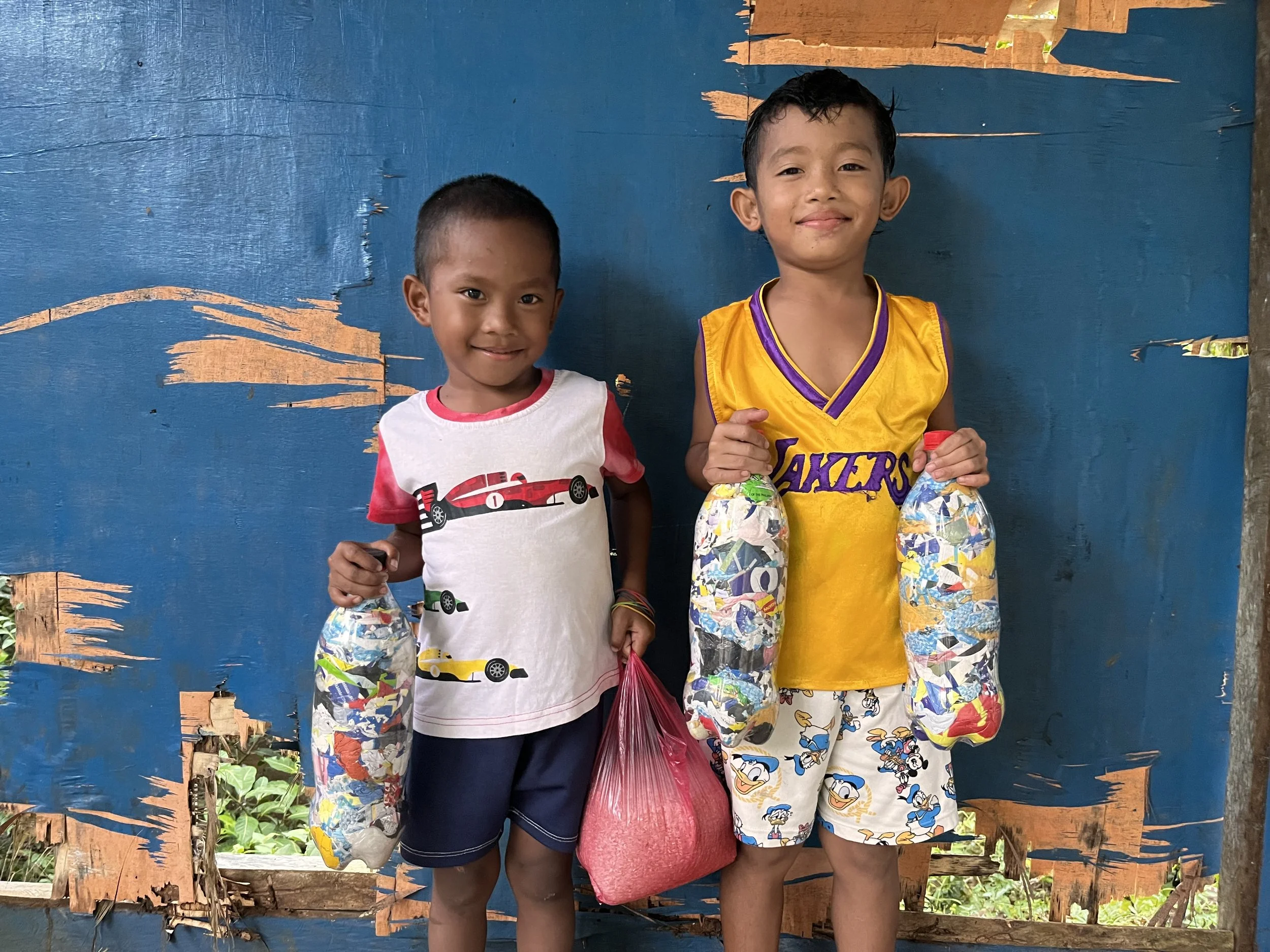
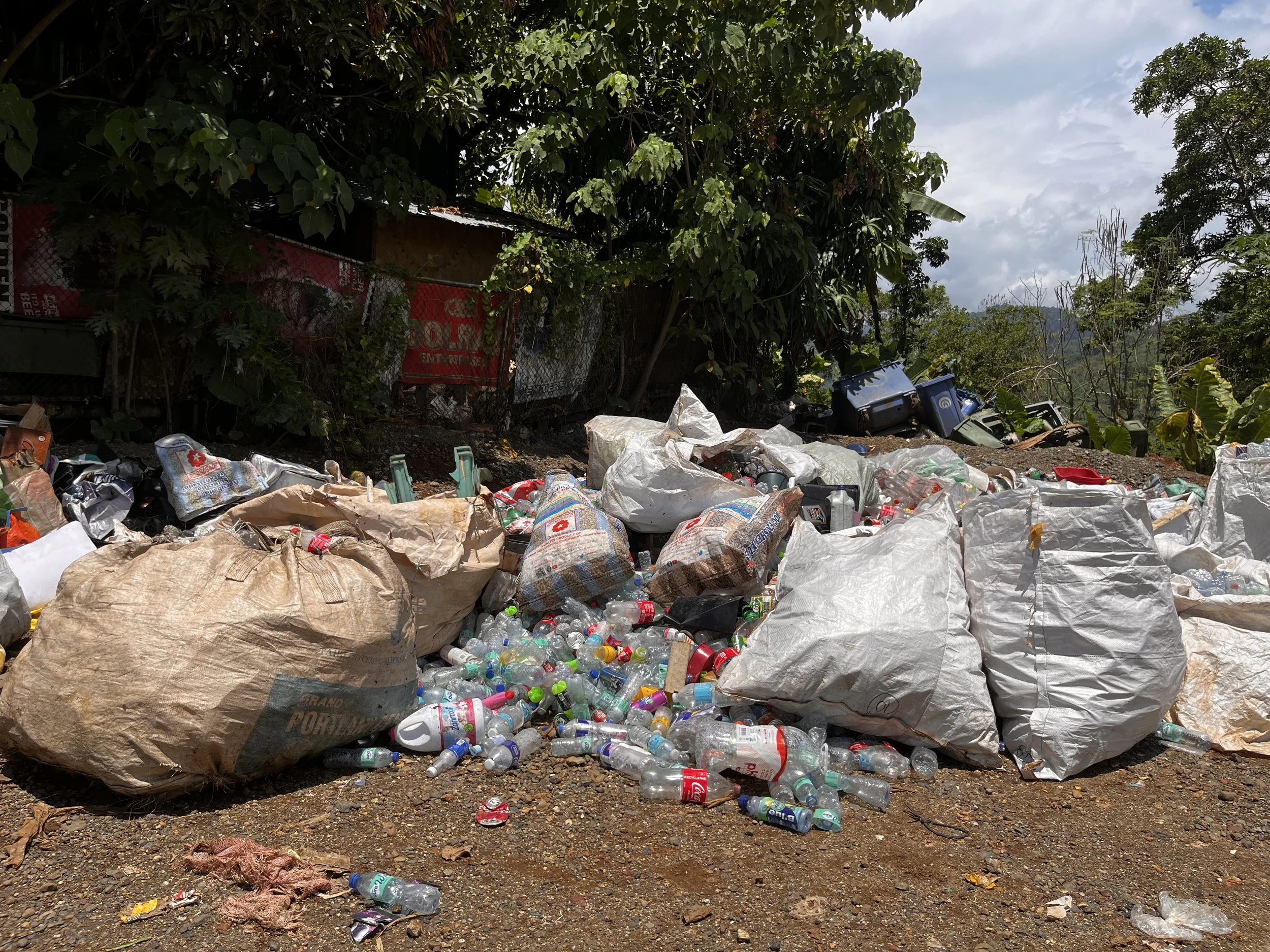
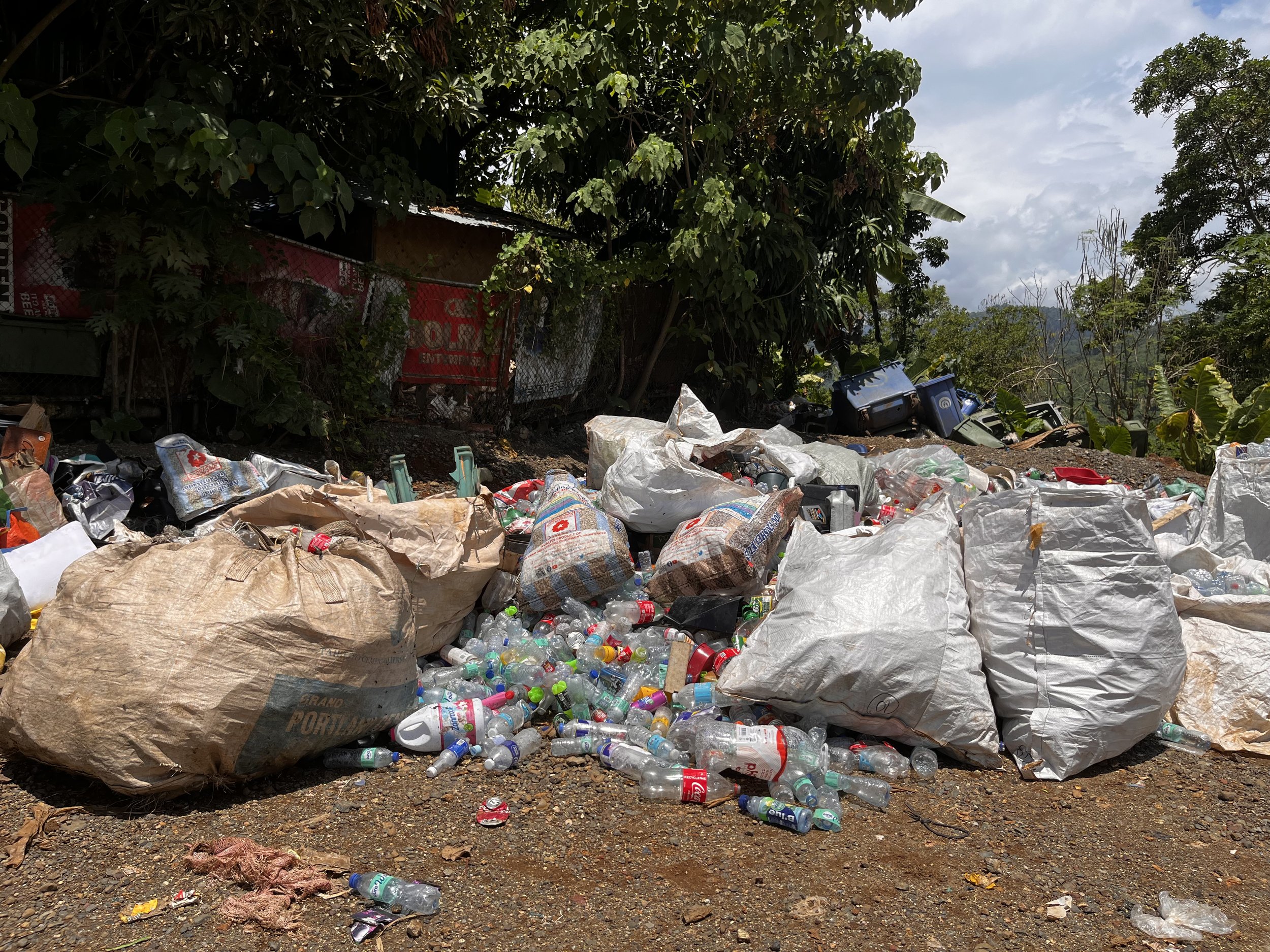
In the Philippines, plastic pollution cannot be understood solely as an environmental issue. It is also part of a much broader historical, cultural, and economic story. Over centuries, colonial rule, followed by rapid urbanisation, global trade, and consumer economies, gradually reshaped many everyday relationships with food, materials, and production. Communities that once relied largely on bamboo, woven fibres, clay, leaves, glass, and other locally renewable resources increasingly found themselves participating in economies built around imported manufactured goods, disposable packaging, and centralised markets. These transitions brought undeniable conveniences, but they also introduced environmental challenges that existing systems were never designed to accommodate.
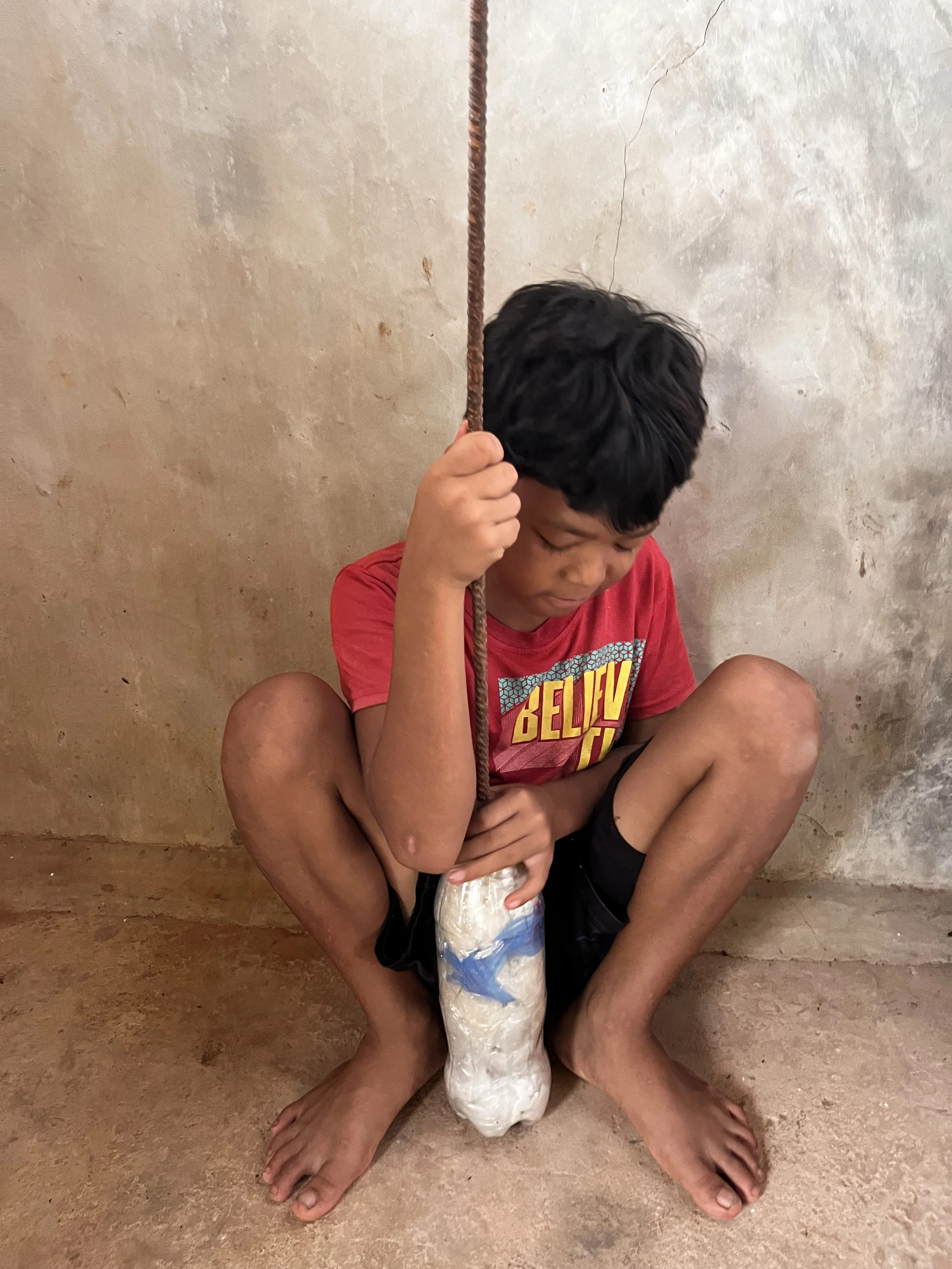
Today, these patterns continue to shape everyday life. Global systems of production and consumption concentrate much of the economic value of manufactured goods in one part of the world, while the environmental costs of extraction, packaging, and waste are often experienced elsewhere. Plastic pollution is therefore not simply the result of individual choices, nor can it be understood only through personal responsibility. It reflects the ways materials, economies, and infrastructures have become interconnected over time. Understanding these relationships does not diminish individual agency—it helps us recognize where meaningful change can begin.
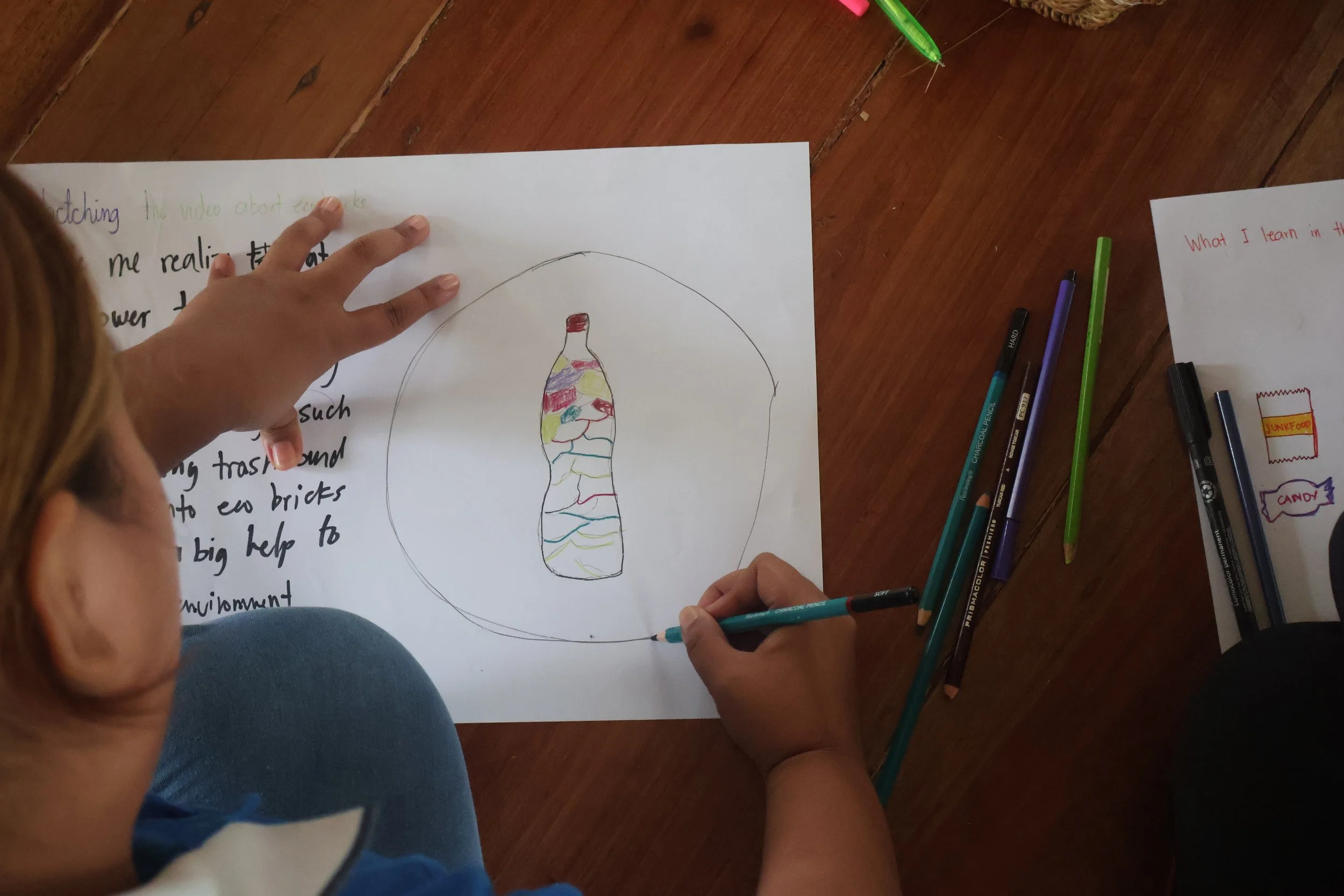
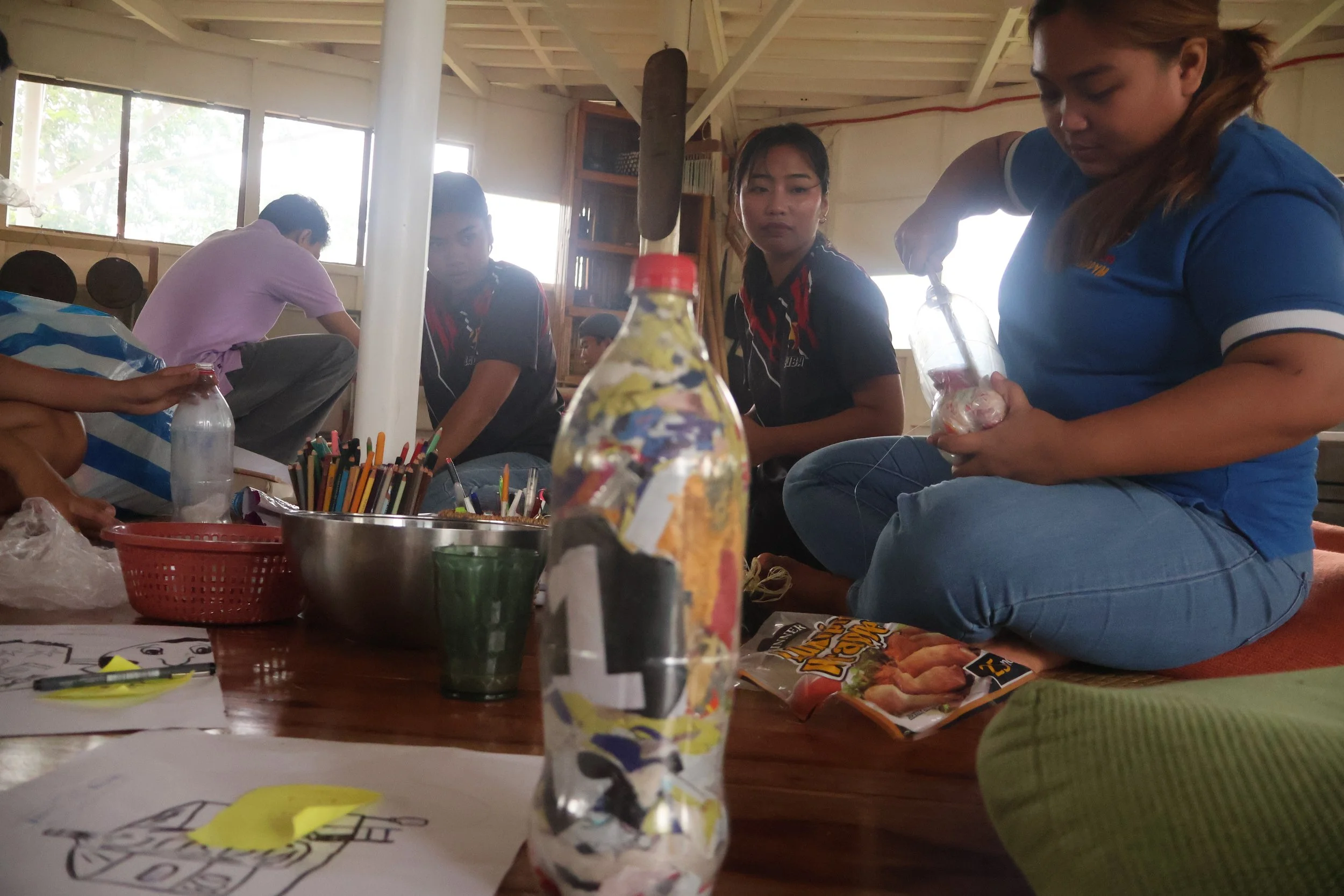
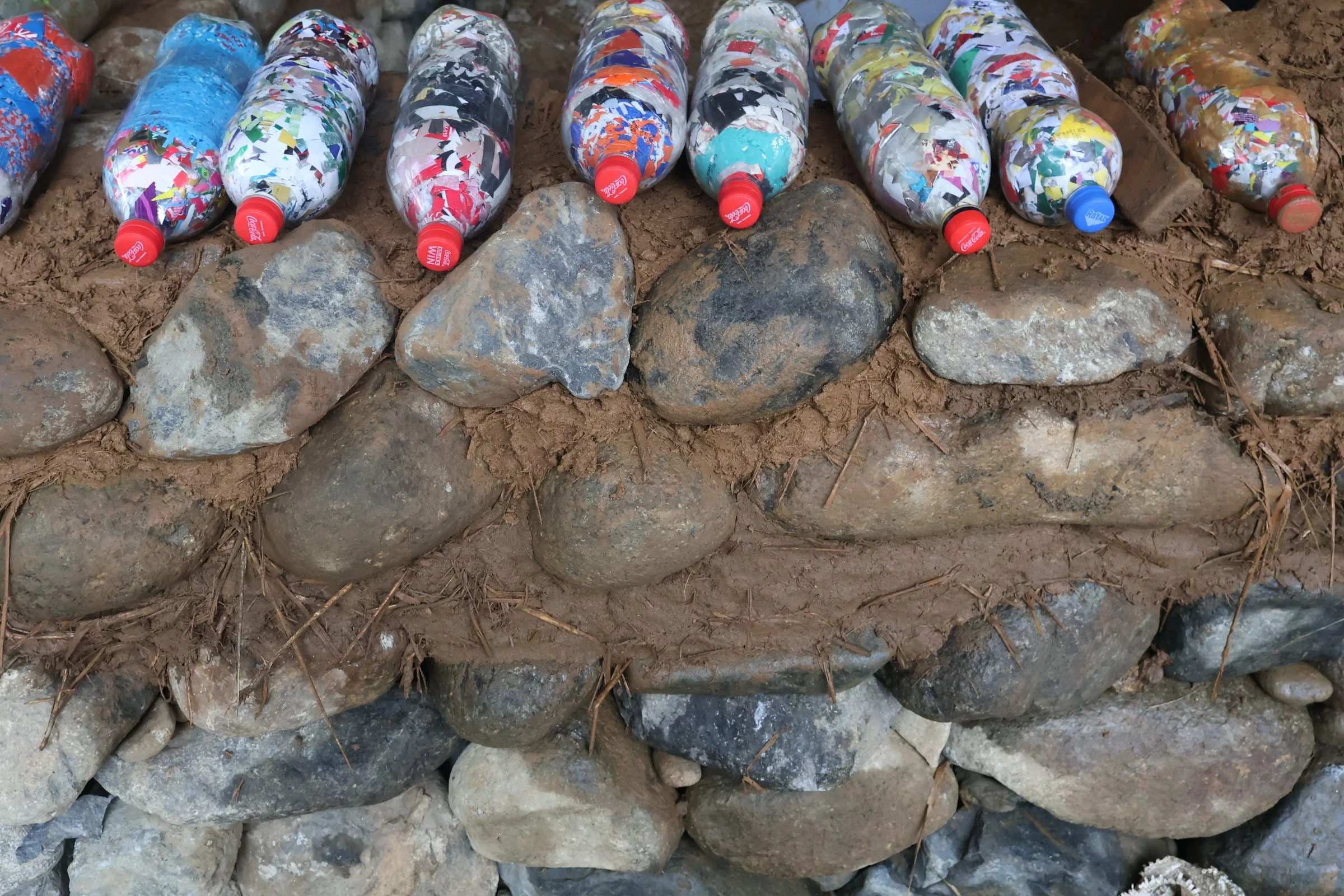
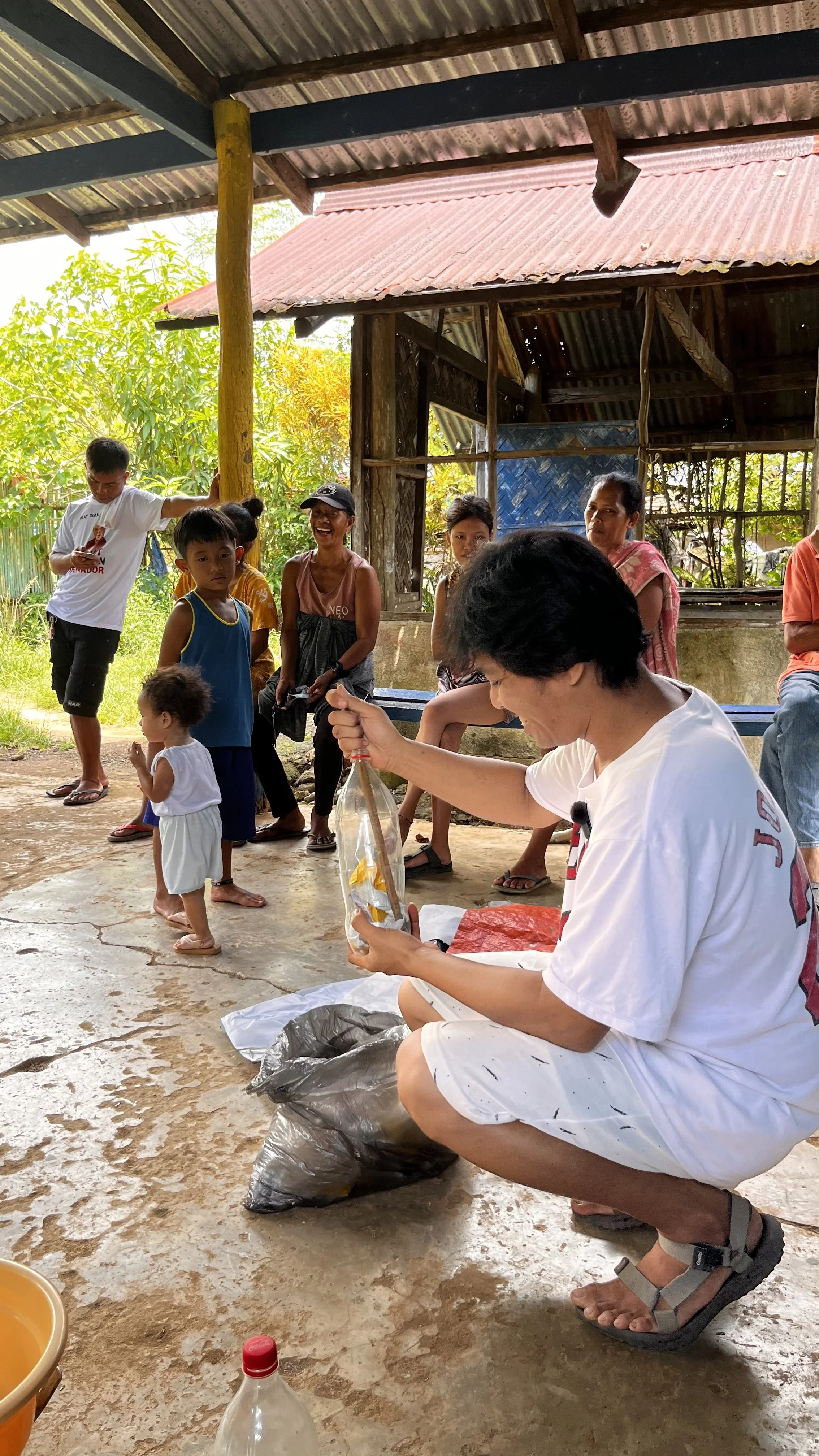
An ecobrick begins with a simple practice: cleaning, drying, and compacting non-recyclable plastic into a plastic bottle until it becomes a safe and durable building block. The process itself is straightforward, but its significance extends far beyond construction. Every ecobrick slows down consumption just enough to make visible what is often overlooked. It invites us to see plastic not as something that disappears once discarded, but as a material whose story continues long after it leaves our hands.
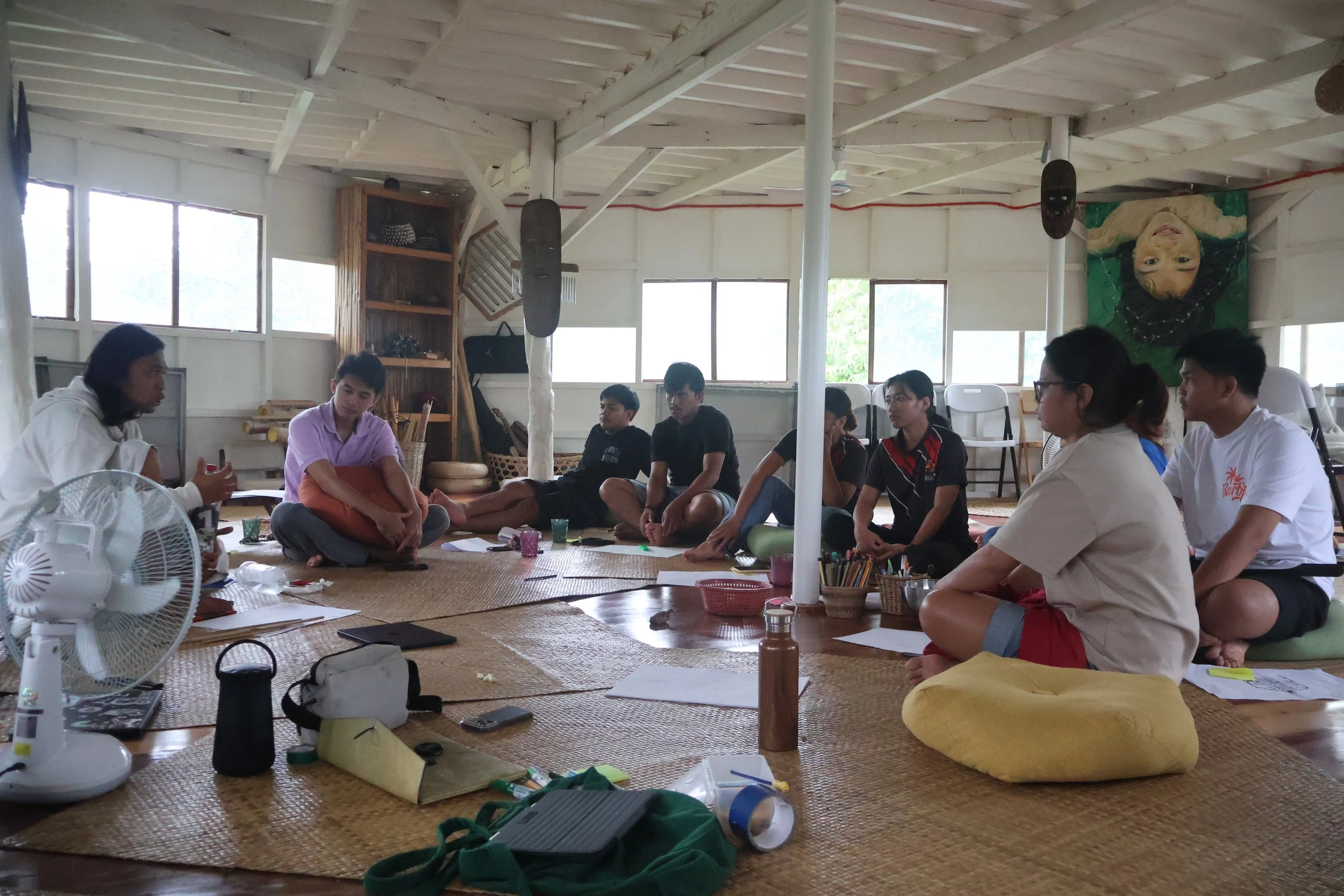
For Maia Earth, ecobricks are therefore much more than an environmental technique. They create opportunities to explore broader questions about consumption, responsibility, creativity, and participation. Each workshop becomes an invitation to rethink our relationship with materials and the meanings we attach to them. Plastic, like soil, bamboo, stone, or timber, is ultimately a material. The question is not only what it is, but how we choose to relate to it. By working with what already exists, participants discover practical ways of transforming what appears to be a burden into a resource, while recognizing that changing our relationship with materials often changes our relationship with place, with one another, and with ourselves.
During the first half of 2026, Maia Earth facilitated ecobrick workshops across Puerto Princesa while strengthening collaborations with schools, youth organisations, local government units, and community groups. More than 2,000 ecobricks were collected through these initiatives, including barter programs where ecobricks could be exchanged for rice, and partnerships through which students exchange ecobricks for printing materials needed in their education. These collaborations demonstrate how a single material can create connections across environmental stewardship, education, food security, and local livelihoods, allowing one initiative to contribute to many different aspects of everyday life.
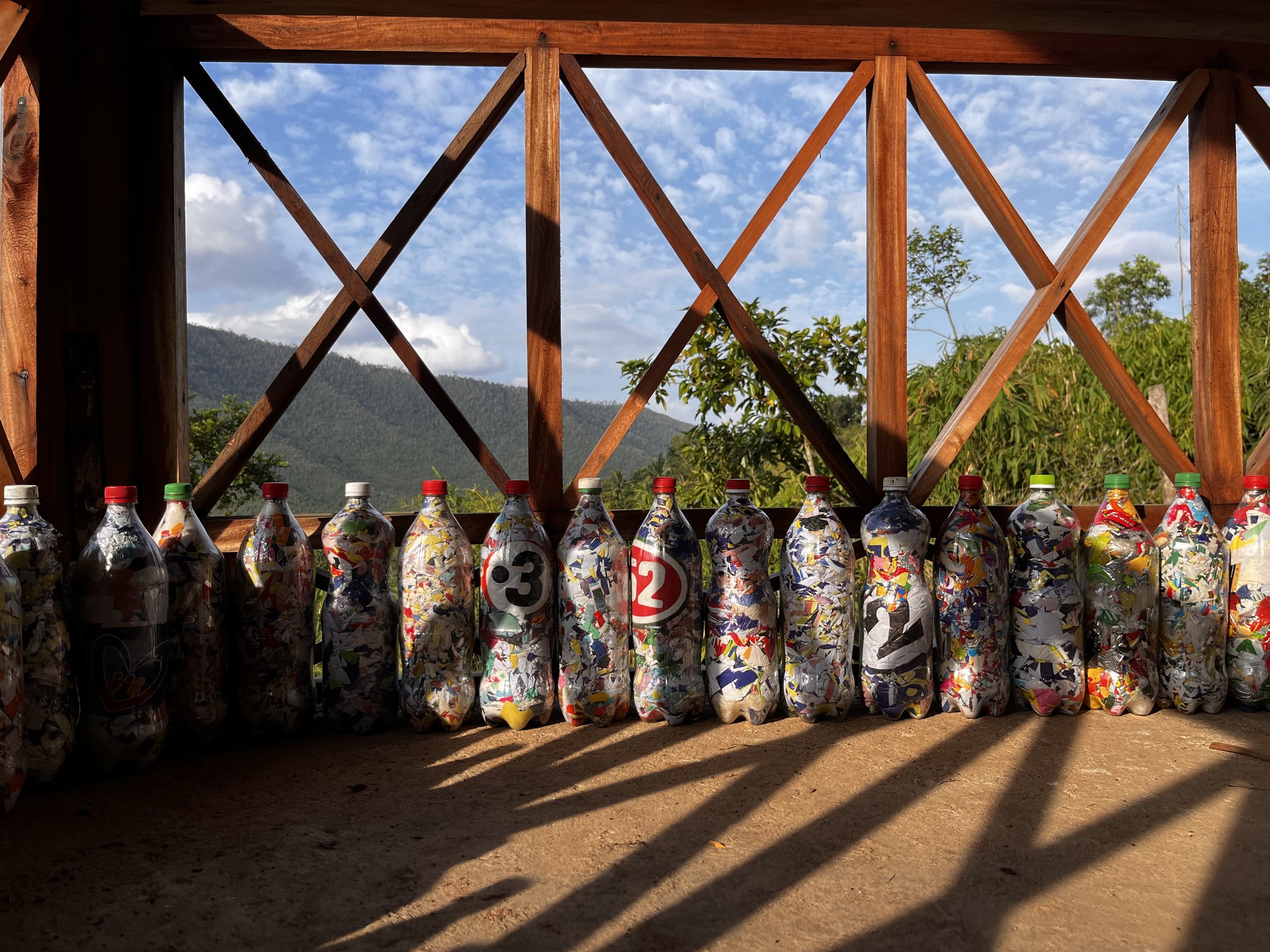
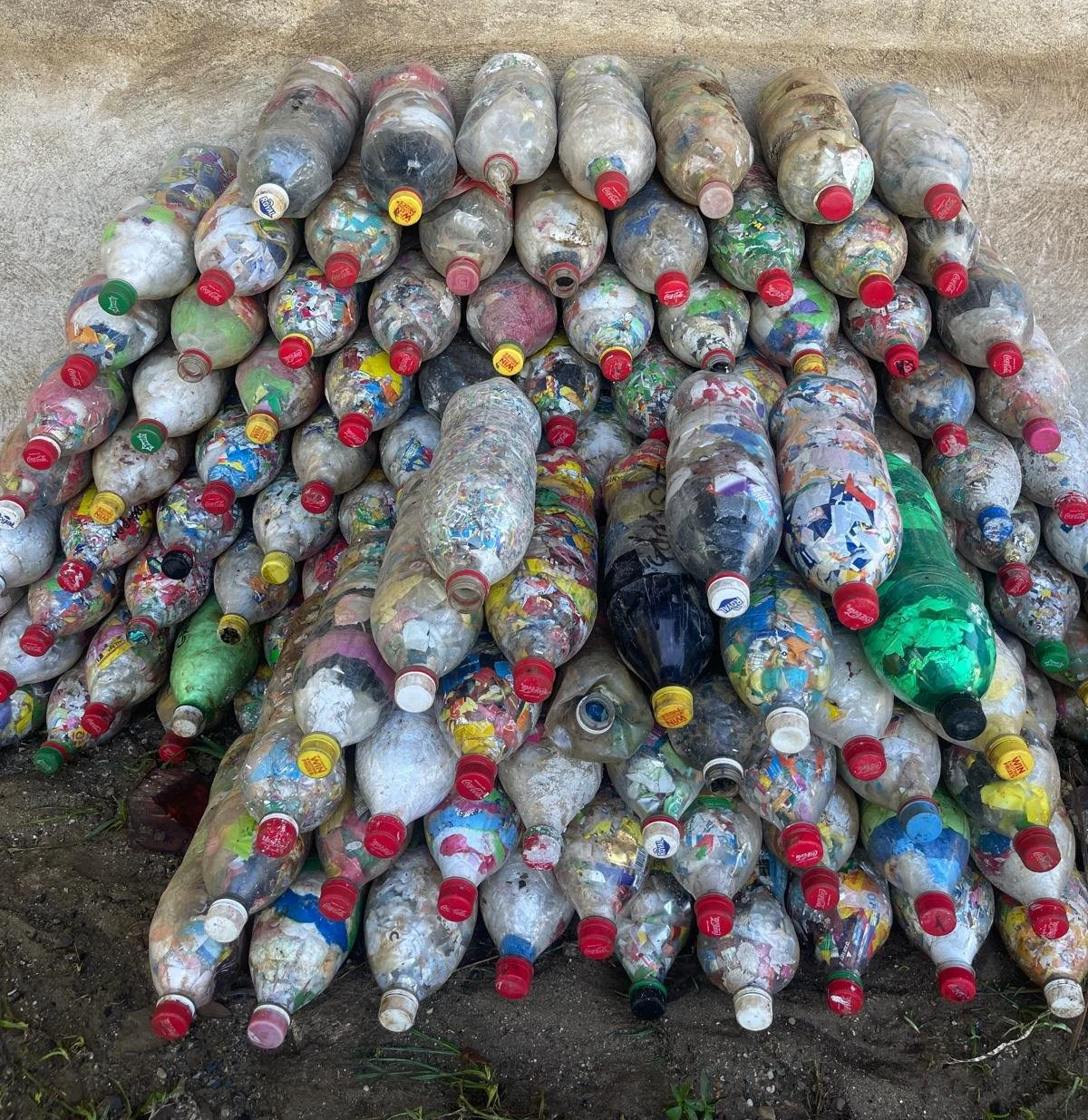
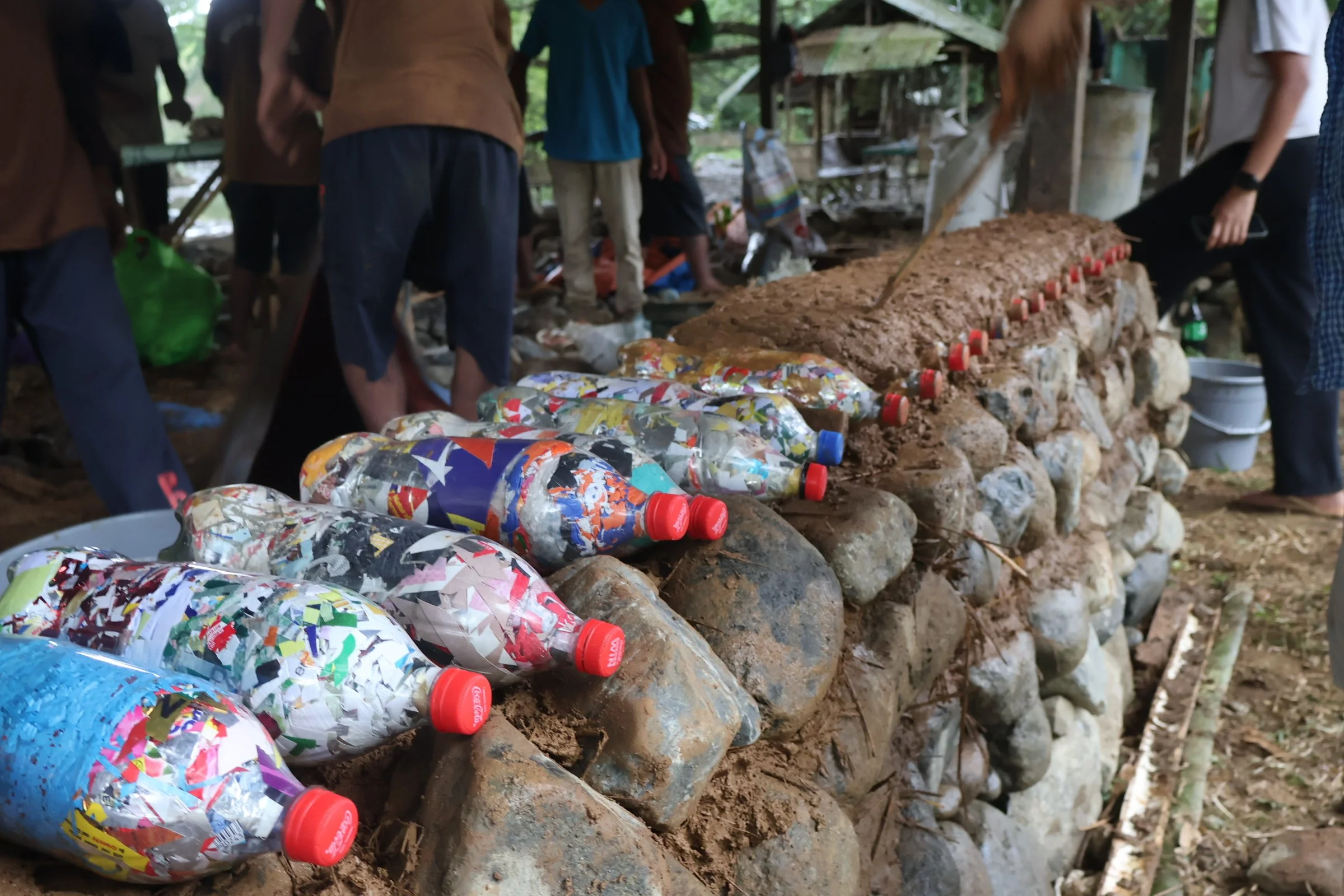
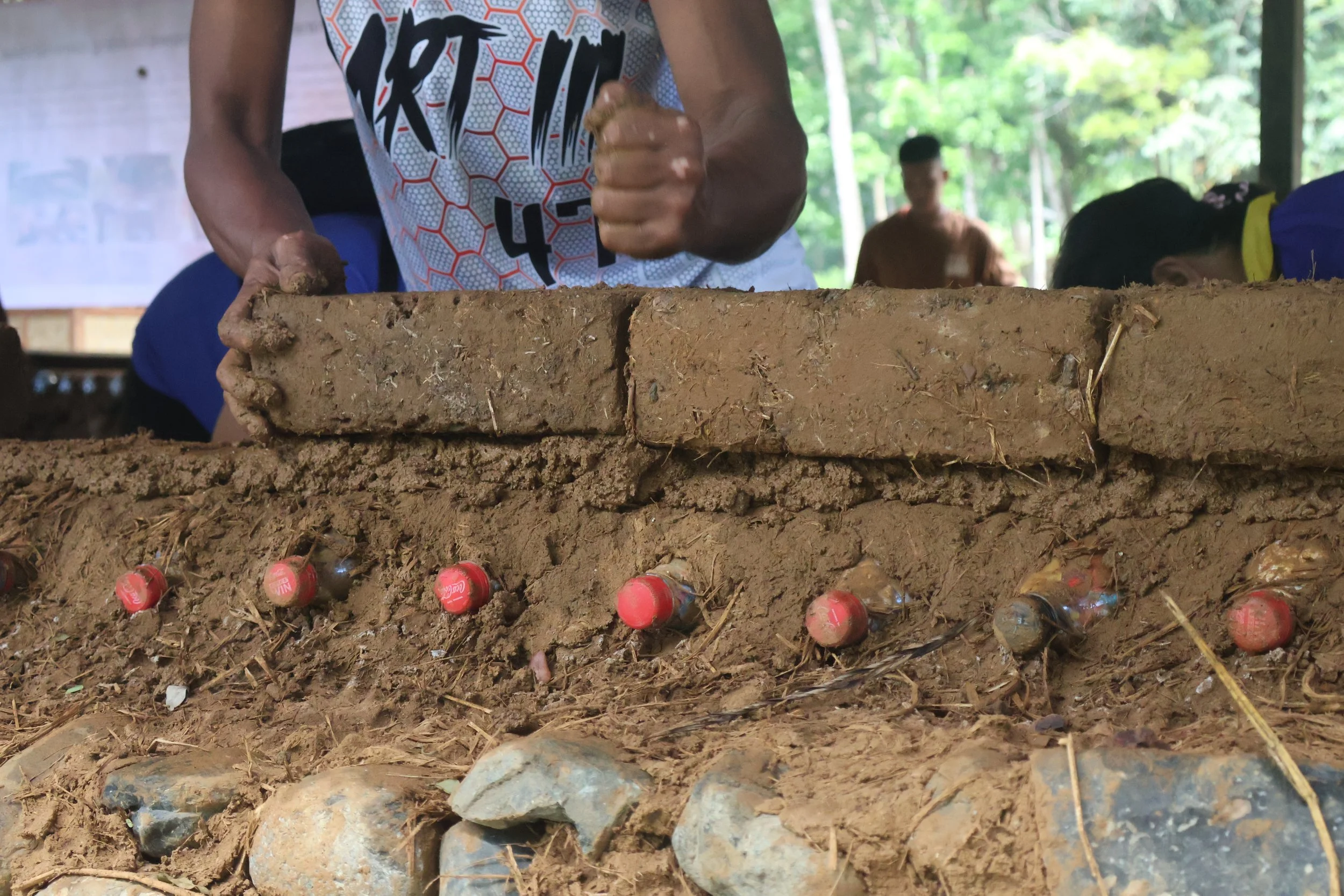
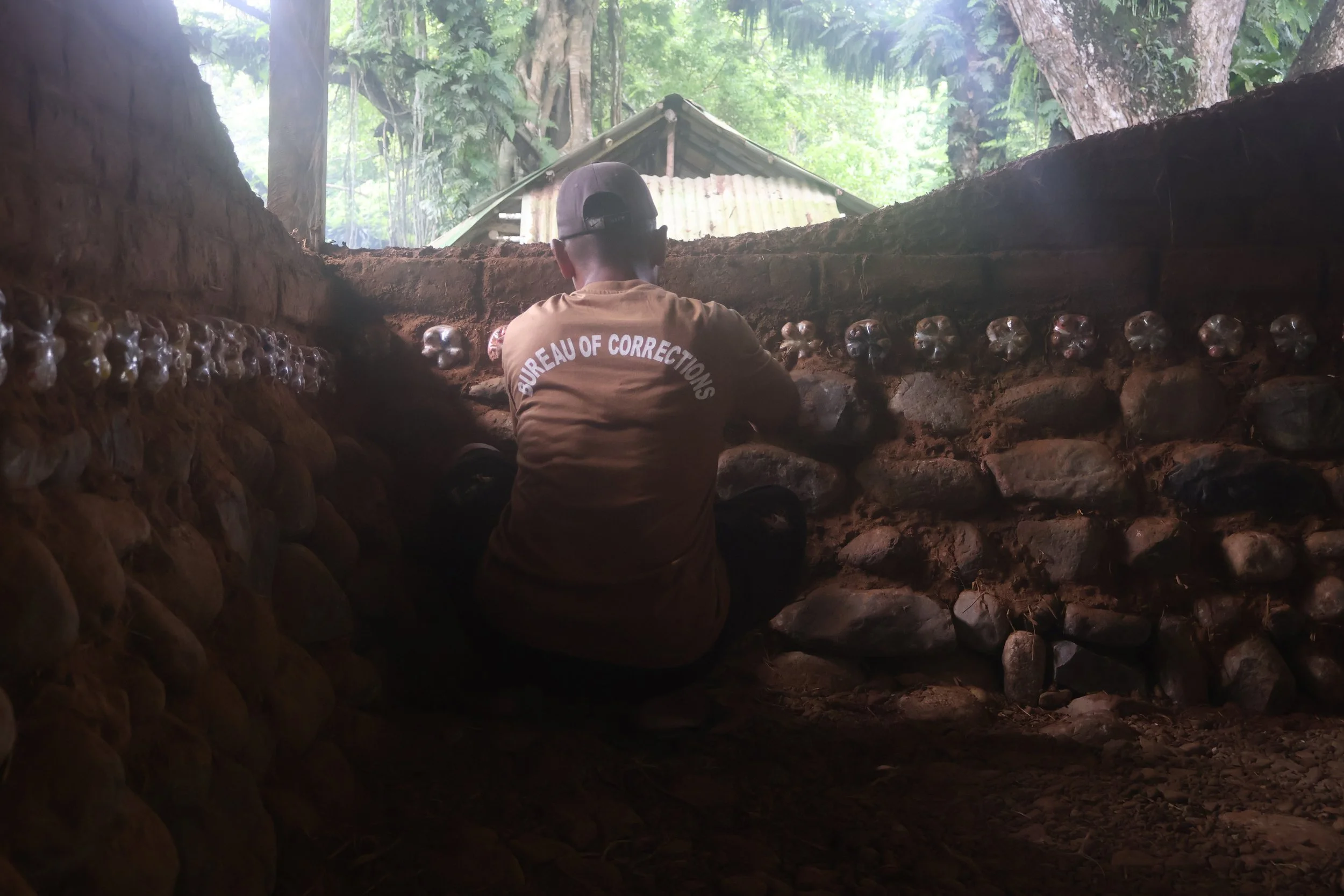
The ecobricks themselves continue to travel beyond the places where they were made. In Bahay BaLayan, Maia Earth's ongoing natural building project within the Iwahig Prison and Penal Farm, ecobricks collected by residents of Puerto Princesa are becoming part of the walls of a multipurpose space. Plastic that once represented an environmental challenge is gradually becoming part of a place dedicated to dialogue, natural building, and shared practice. In this way, the actions of people living beyond the prison's boundaries become physically connected to a space that will continue to welcome new relationships and new possibilities.
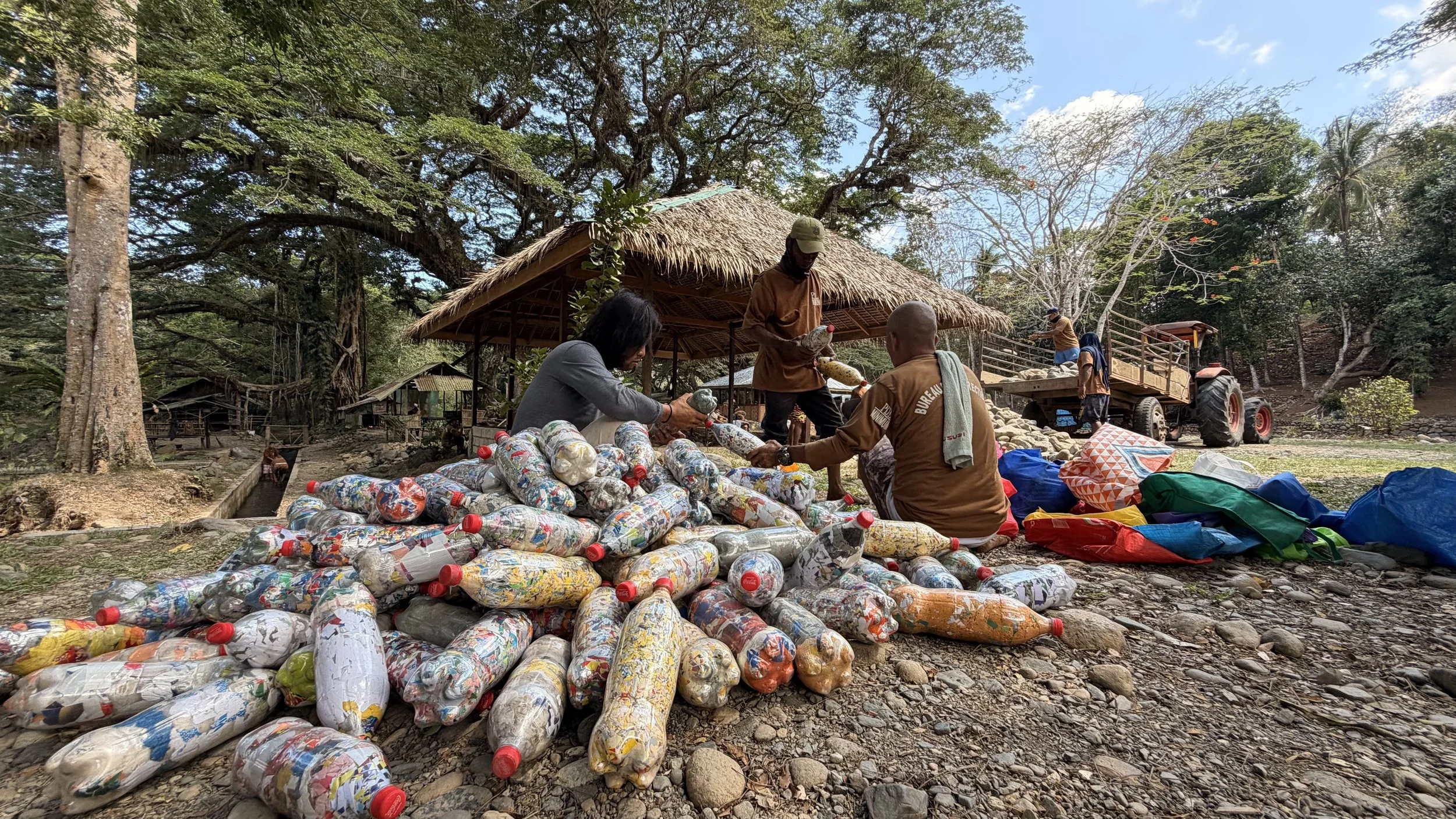
Ecobricks are not presented as the ultimate solution to plastic pollution, nor can they replace the broader transformations needed in production, policy, and systems of consumption. Their value lies elsewhere. They remind us that meaningful change rarely begins with perfect solutions. It can begin with attention—with the willingness to pause, to care for what already exists, and to imagine new possibilities for materials that have long been regarded only as waste.
Every ecobrick tells a quiet story. On its own, it may seem insignificant. Yet thousands of them, made by many different hands, reveal something much larger: that transformation rarely begins with discovering new resources, but with learning to see familiar ones differently. Plastic may never have been intended to become the foundation of buildings, gardens, or furniture, yet it reminds us that the future is often shaped less by the materials we possess than by the relationships we choose to cultivate with them.