
Listening, Learning, Relating
Exploring Sound Through Science and Experience
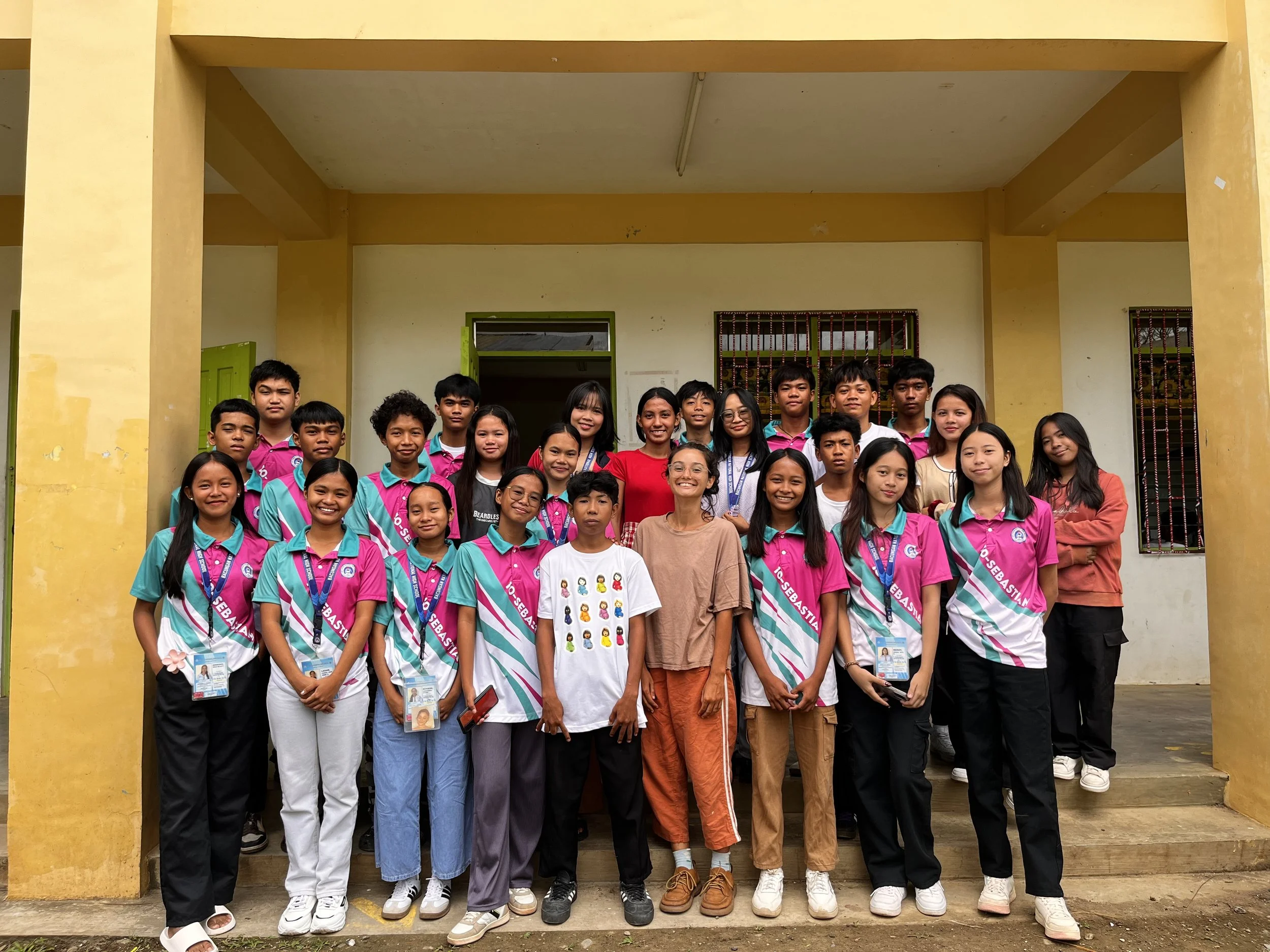
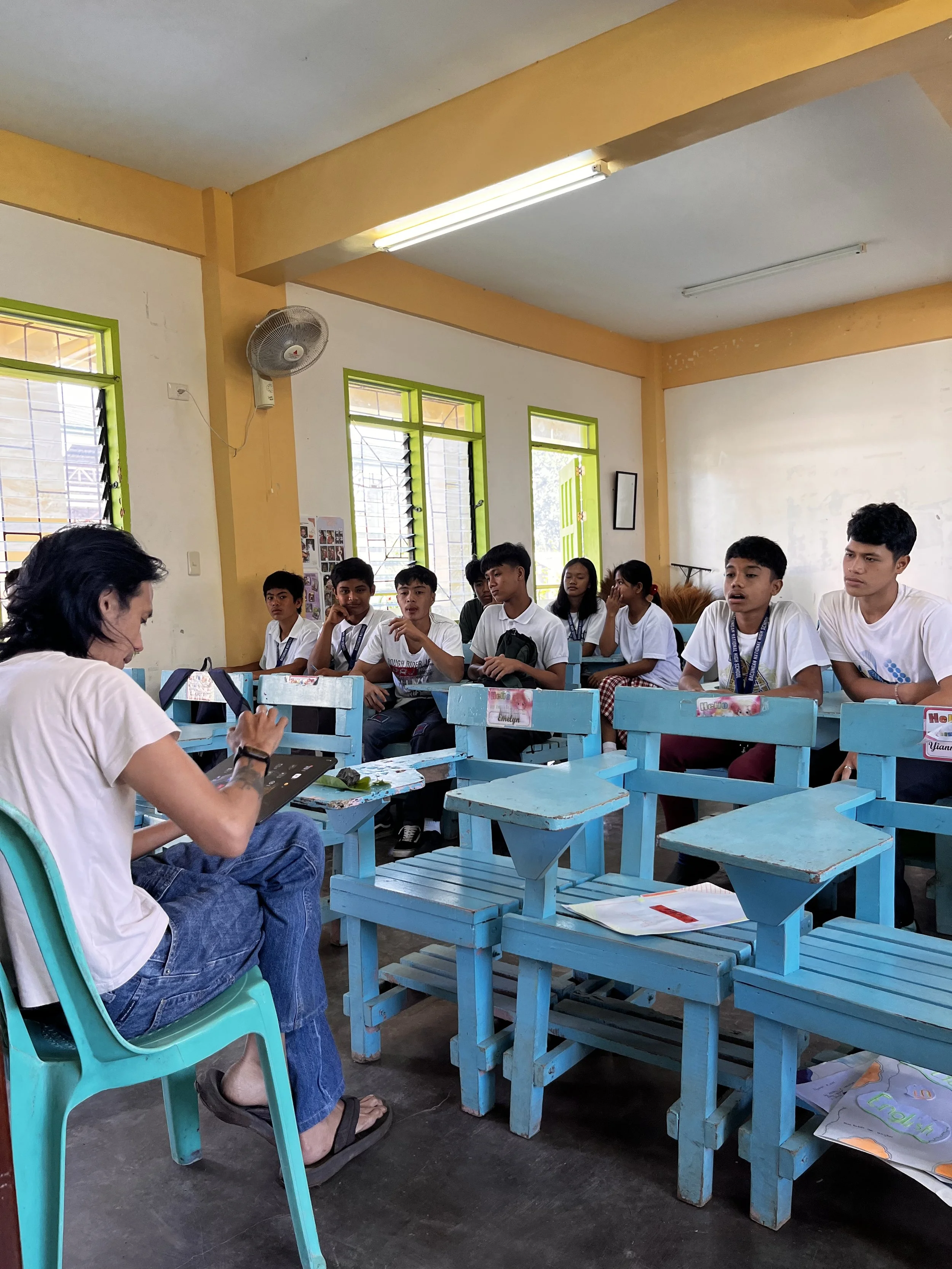
In 2025, Maia Earth partnered with Bacungan National High School to develop a series of learning activities within the Grade 10 MAPEH curriculum, exploring sound not only as an artistic medium, but also as a subject that connects music, neuroscience, physiology, and human experience. Working alongside teachers, the initiative introduced students to ideas that encouraged both scientific curiosity and creative exploration while remaining closely aligned with the school's existing learning objectives.
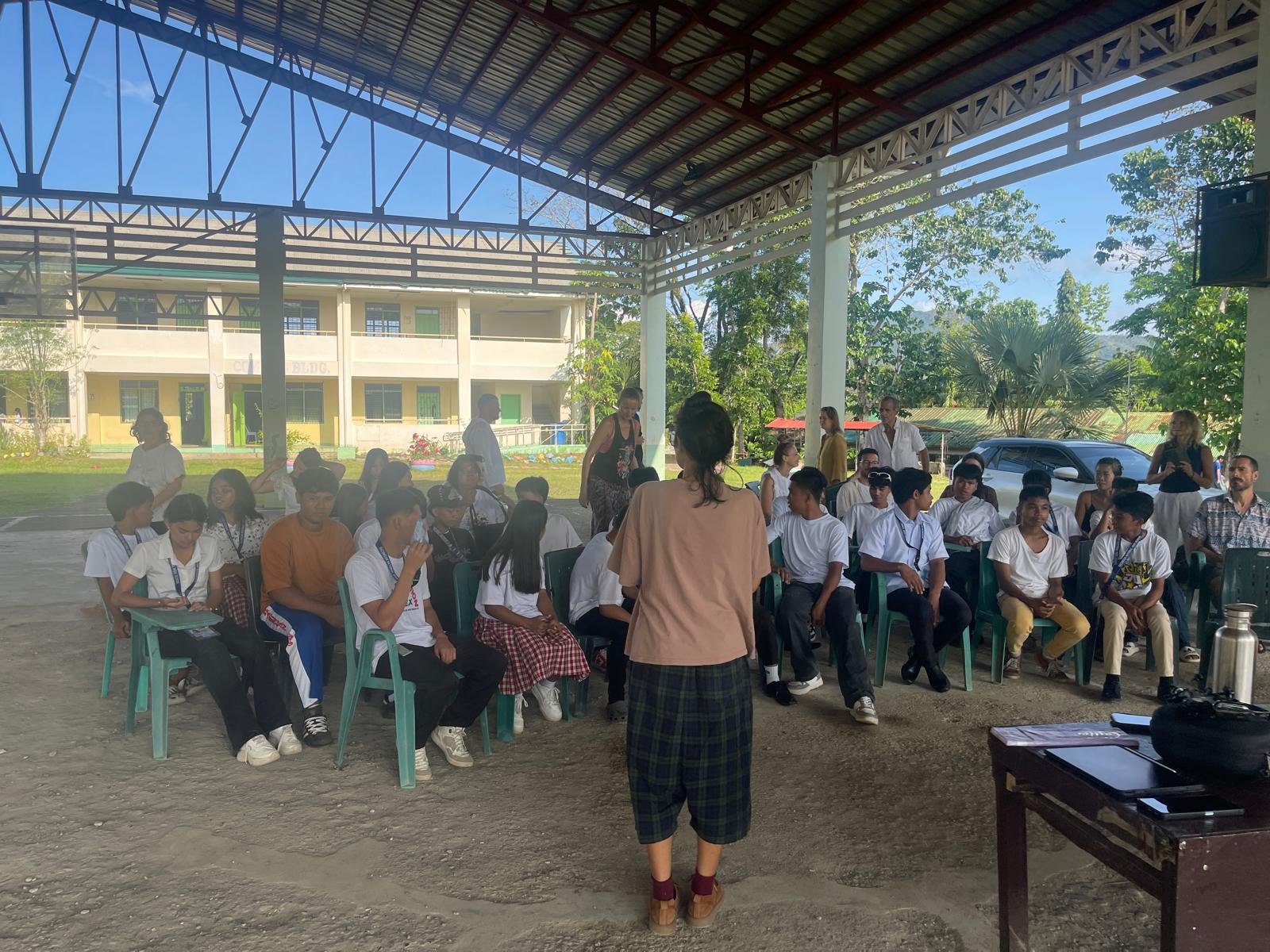
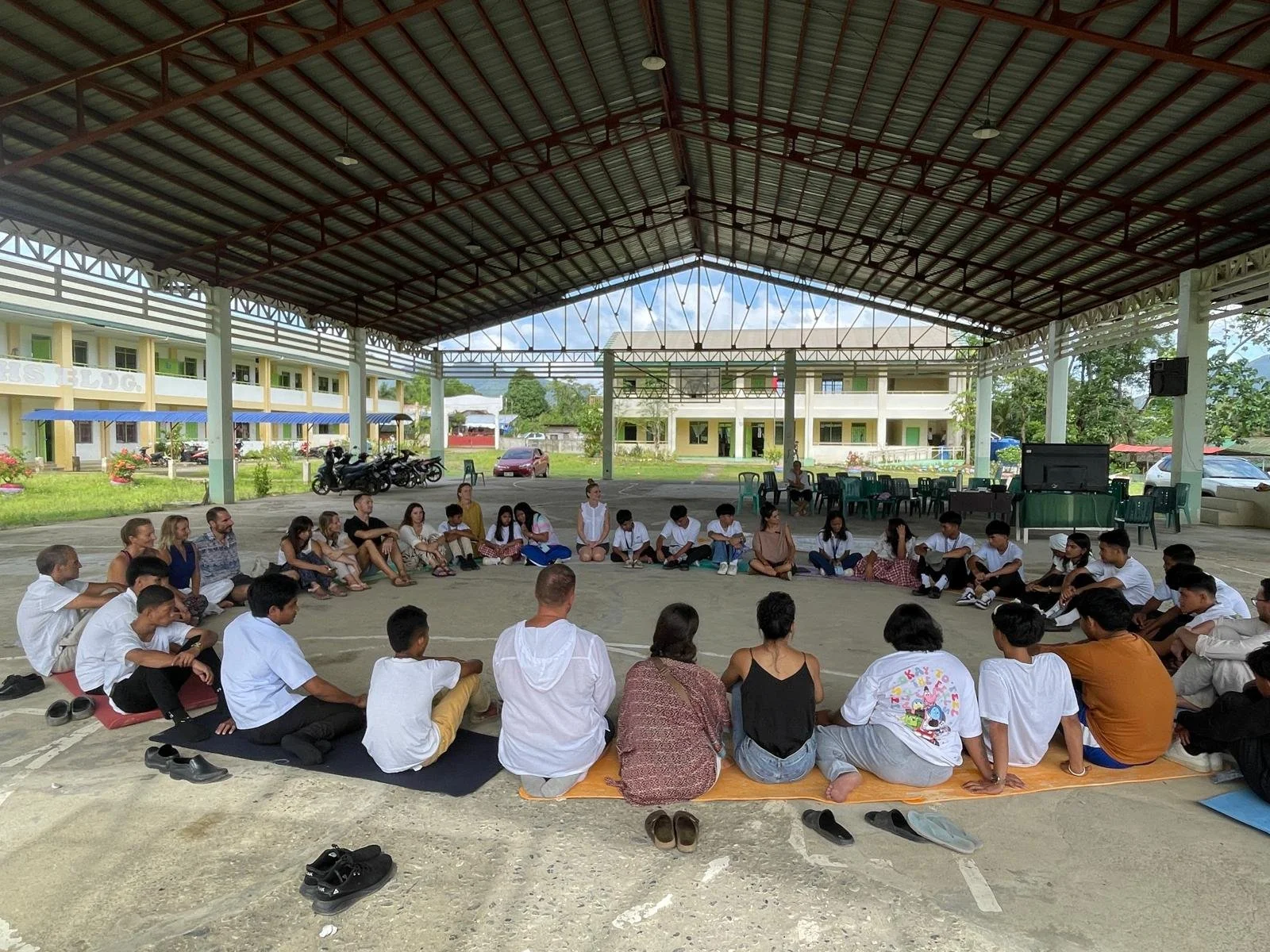
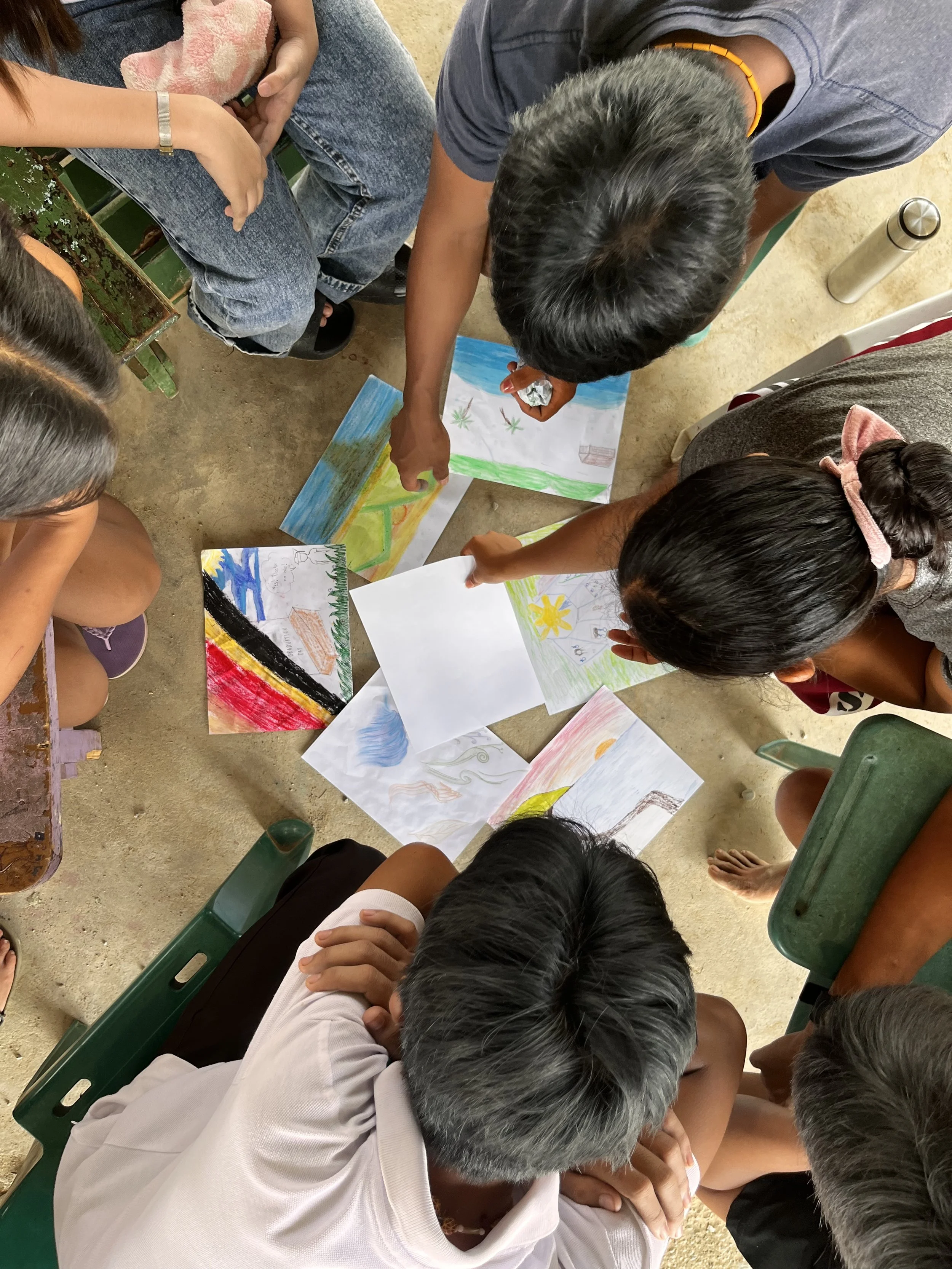
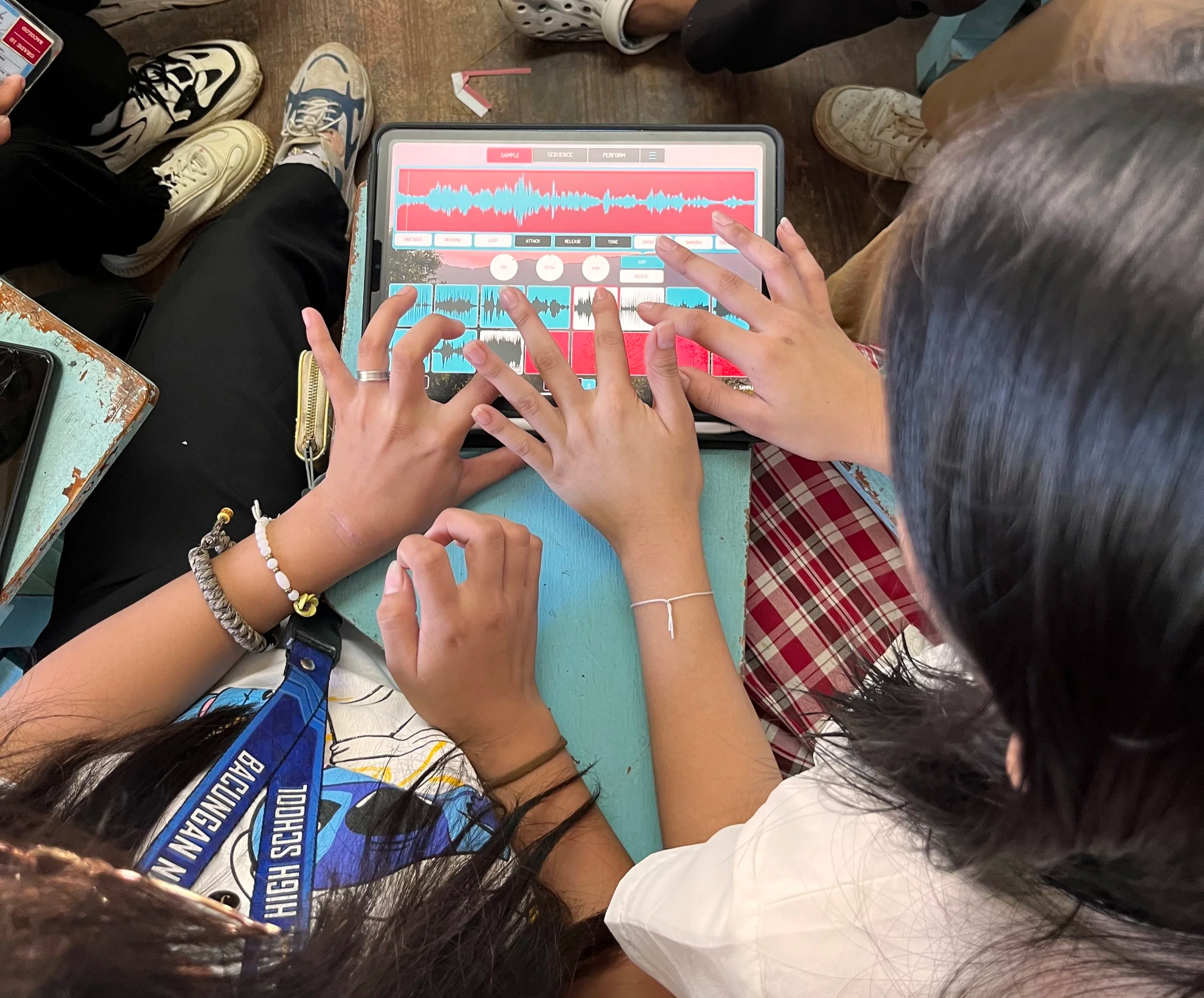
Throughout the program, students explored topics such as brain waves, auditory perception, musical structure, and composition, examining how sound can influence attention, emotion, and the ways we experience the world around us. Rather than separating science from creativity, the activities invited students to recognise that music can be approached simultaneously as an artistic language, a measurable physical phenomenon, and a deeply human experience.
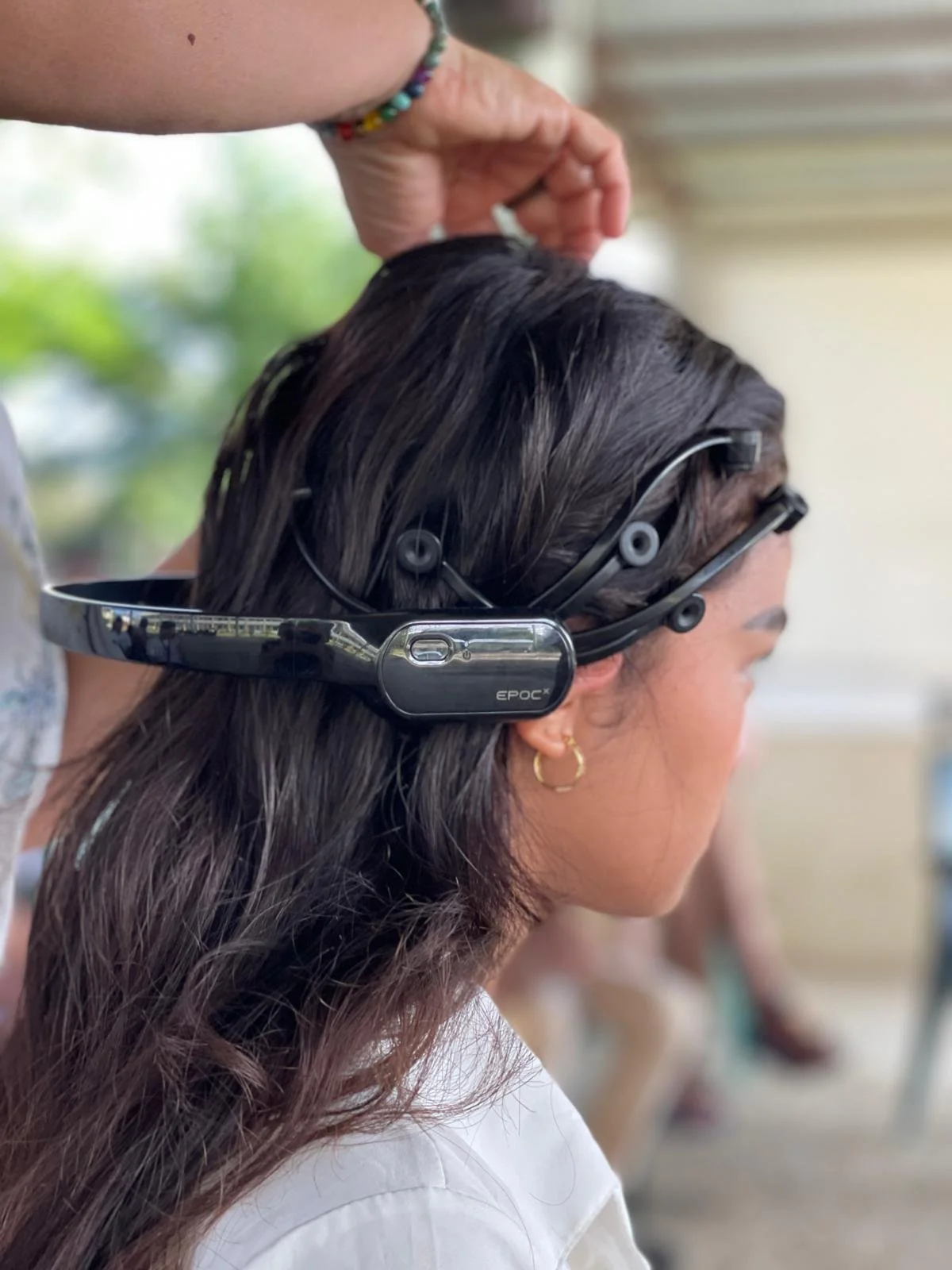
As part of the workshops, Maia Earth also introduced electroencephalography (EEG) technology, allowing students to observe their own brainwave activity in real time. For many, this was their first opportunity to encounter neuroscience beyond textbooks, transforming abstract concepts into something they could directly observe and discuss. The workshops became an invitation to ask questions, connect theory with experience, and discover how scientific tools can deepen our understanding of ourselves.
These activities also reflect a broader area of Maia Earth's ongoing work. For more than a decade, the organisation has been exploring the relationship between sound, human physiology, and wellbeing through research, community programs, and educational initiatives. Bringing aspects of this work into the classroom created an opportunity to share that exploration in a way that was accessible, evidence-informed, and grounded in curiosity rather than certainty.
Underlying the program is a simple educational principle: some forms of understanding emerge most fully when knowledge is both studied and experienced. Scientific concepts become more meaningful when they can be observed, creative expression becomes richer when informed by inquiry, and learning becomes more lasting when students are invited to think, feel, create, and reflect as part of the same process. Rather than treating the mind and body, science and creativity, or knowledge and experience as separate domains, the program sought to explore the ways they can inform one another within everyday education.
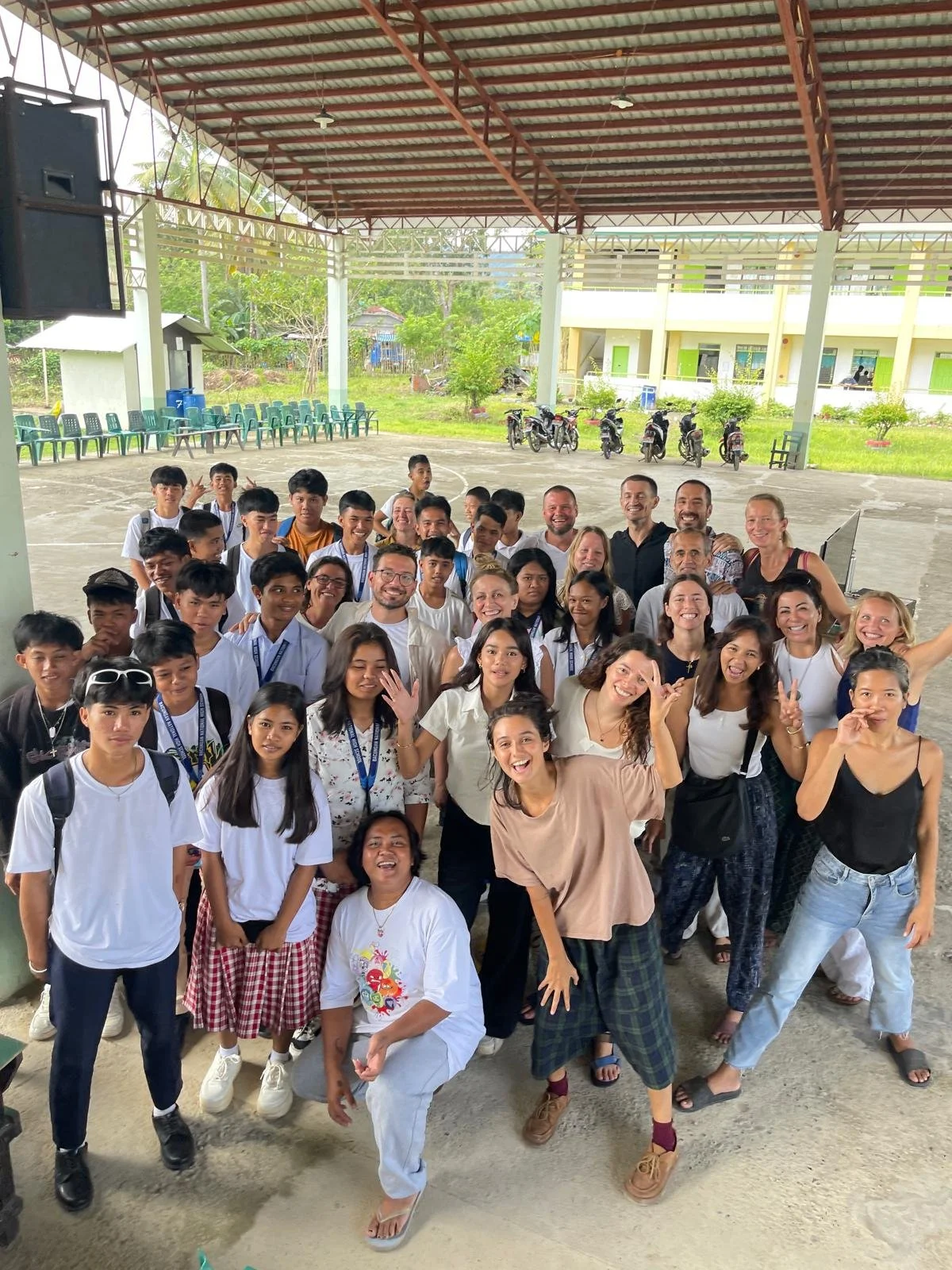
For Maia Earth, partnerships with schools are opportunities to complement existing curricula with experiences that invite curiosity, dialogue, and participation. By working alongside educators and remaining responsive to each school's context, these collaborations continue to explore how science, creativity, and lived experience can meet in ways that enrich learning while opening new pathways for understanding ourselves and the world around us.